How a Weight Loss Doctor Starts the Conversation About Emotional Eating
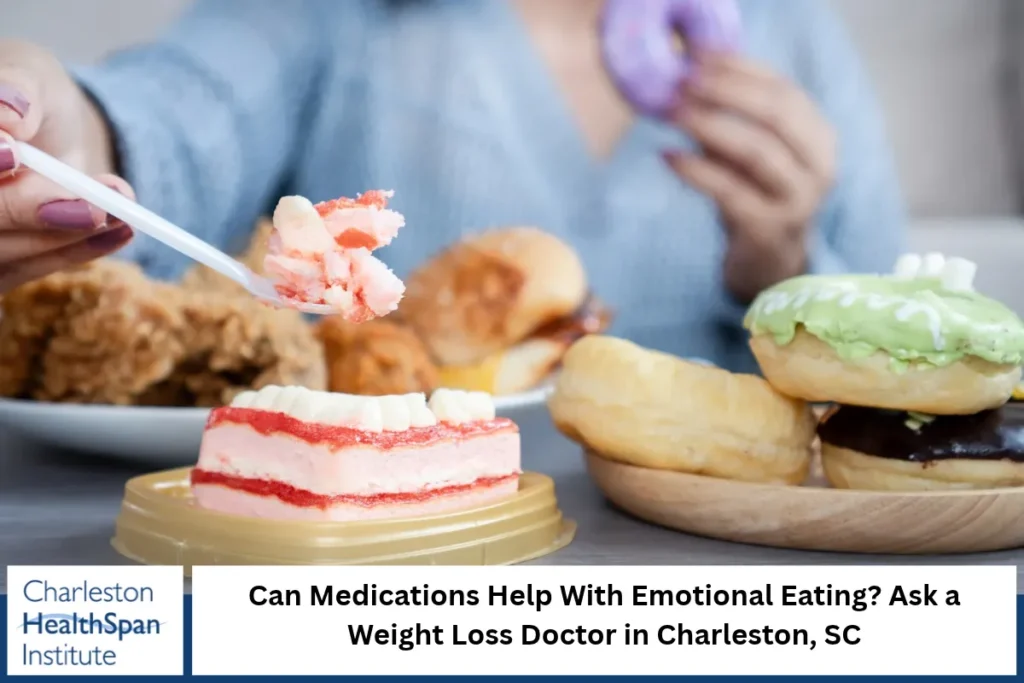
A weight loss doctor can help determine whether medications play a role in managing emotional eating, and for many adults in Charleston, SC, that conversation is long overdue. You know the pattern: a stressful day leads to snacking you did not plan, then guilt, then another cycle of restriction and overeating. Emotional eating, or using food to cope with negative emotions like sadness, anxiety, or boredom, is one of the most common reasons people struggle to lose weight despite genuine effort.
A medical weight loss service looks at both sides of the equation. It evaluates the biology, including hormones, appetite signals, and blood sugar, alongside the psychology, such as stress, habits, and mood. Needing medical help is not a failure of willpower. Obesity and emotional eating are influenced by brain chemistry and hormonal shifts that willpower alone cannot override. Weight loss doctors provide individualized treatment plans for binge eating and related concerns, examining the full picture before recommending any intervention.
This article covers FDA-approved weight management medications, GLP-1 and dual GIP/GLP-1 injections, appetite suppressants, endocrine care, and behavioral therapies, all within South Carolina medical regulations.
Key Takeaways
- Medications like GLP-1 injections and appetite suppressants can reduce cravings and appetite, but they do not cure emotional eating on their own.
- Emotional eating is different from binge eating disorder, which may require a formal disorder diagnosis and specialized treatment.
- GLP-1 weight loss injections, combination drugs, and hormone optimization can help when medically appropriate and prescribed under supervision.
- The best outcomes come from combining medication with therapy, lifestyle changes, and ongoing support from a qualified weight loss clinic.
- Medications act as a supportive tool rather than a standalone cure for emotional eating behaviors.
Emotional Eating vs. Eating Disorders: Why the Difference Matters

Emotional eating and clinical eating disorders share some surface similarities, but they are not the same thing. Many people eat in response to stress or low mood without meeting criteria for a diagnosable condition. A person who reaches for chips after a tough workday is not necessarily dealing with an eating disorder, but someone who repeatedly consumes large quantities of food in a short time, eats rapidly, feels a complete loss of control, and experiences intense shame afterward may be living with binge eating disorder.
Binge eating disorder is the most common eating disorder and is recognized in the Diagnostic and Statistical Manual (DSM-5) as a mental health diagnosis. Up to 70% of people with binge eating disorder also have obesity, which complicates treatment and makes disordered eating harder to identify. Organizations like the National Eating Disorders Association highlight the importance of early intervention but do not diagnose. Binge eating disorder requires specialized treatment beyond dieting. That is why responsible weight management plans must screen for red-flag symptoms, including purging, extreme dieting, and medical instability, before prescribing any weight loss medication.
Why Emotions and Biology Collide Around Food
Emotional eating involves both psychological triggers and biological reward pathways in the brain. When stress hormones spike, sleep quality drops, or blood sugar swings wildly, your body actively craves sugar and high-fat foods. The dopamine loop triggers strong cravings for comfort foods, especially under stress, turning food into a rapid self-soothing mechanism. Over time, this loop strengthens, making it harder to stop eating when emotions rather than hunger are driving the urge.
Chronic dieting, shame, and weight stigma make the cycle worse. Restriction often leads to rebound overeating, which fuels guilt and weight gain. Maintaining a healthy relationship with food becomes difficult when the body’s internal signals are constantly in conflict with external pressures.
This is where medical tools enter the picture. GLP-1 receptor agonists, appetite suppressants, and hormone therapy can calm some of the biological drivers so that therapy and skill-building can actually take hold. Medications may quiet the biological drive to eat, enabling behavioral work to be more effective.
Medications That May Help With Emotional Eating (When Used Correctly)

Several categories of prescription medication are used in Charleston, SC to address appetite regulation, cravings, and weight management when emotional eating is part of the clinical picture. Here is a structured overview:
- GLP-1 and dual GIP/GLP-1 receptor agonists, including specific FDA-approved chronic weight management formulations of semaglutide and tirzepatide, regulate appetite and metabolic signaling. They are not FDA-approved as primary treatments for eating disorders, though they may reduce biological hunger and food preoccupation in eligible patients with obesity or overweight.
- Combination medications (such as naltrexone-bupropion) target central appetite and reward pathways, helping reduce cravings and impulsive eating under physician supervision—provided patients have been screened to rule out bulimia nervosa, anorexia nervosa, or seizure disorders.
- Prescription appetite suppressants (such as phentermine) can reduce physical hunger for short-term periods and must follow federal and South Carolina controlled-substance prescribing regulations.
- Targeted psychiatric or eating-disorder medications—including agents FDA-approved specifically for binge eating disorder or bulimia nervosa, or select off-label therapies—may be considered in coordination with a psychiatrist or mental health specialist.
Medications help stabilize blood sugar and prevent hunger related to emotional triggers. GLP-1 medications help regulate appetite and blood sugar levels. However, medications do not resolve root emotions but can lower biological hunger. Weight loss specialists view medication as a tool, not a standalone cure for emotional eating. They modify biology, including gut signals, hormones, and neurotransmitters, but they do not replace counseling, nutritional counseling, or coping-skills training.
Read Do Medications Work for a Slow Metabolism? Insights From a Weight Loss Doctor in Charleston, SC
GLP-1 Weight Loss Injections and Emotional Eating

GLP-1 weight loss injections mimic the body’s natural GLP-1 hormone, slowing stomach emptying, improving fullness, and helping to stabilize blood sugar after meals. For many patients, this translates to a significant amount of relief from the constant mental chatter about food.
Research supports their role. GLP-1 agonists reduced binge eating episodes in clinical trials, and meta-analyses have shown moderate reductions in emotional eating behaviors among adults with obesity. GLP-1 medications help patients feel full faster and eat less, which can translate to meaningful changes. Patients can lose up to 15% of body weight in one year when these injections are combined with diet and exercise.
While early clinical studies are investigating GLP-1 receptor agonists in binge eating behaviors, specific formulations of these medications are FDA-approved for chronic weight management and certain metabolic or cardiovascular indications—not as primary treatments for eating disorders or emotional eating alone. Feeling physically fuller and less preoccupied with food can, however, create the mental space needed to practice mindful eating and develop new coping skills.
In Charleston, SC, GLP-1 prescriptions must come from licensed clinicians who review medical history, BMI, and weight-related conditions like high blood pressure or sleep apnea before starting therapy.
Appetite Suppressants, Combination Drugs, and Craving Control

Beyond GLP-1 receptor agonists, other medications can support patients prone to emotional eating behaviors and stubborn fat accumulation:
- Certain prescription appetite suppressants act on brain neurotransmitters to decrease hunger and intrusive food thoughts, typically used for defined timeframes rather than indefinitely.
- Combination medications such as naltrexone-bupropion act on central appetite and reward pathways, helping reduce urge-driven snacking tied to stress or low mood. Notably, because bupropion lowers the seizure threshold, naltrexone-bupropion is strictly contraindicated in individuals with a current or prior diagnosis of bulimia nervosa or anorexia nervosa.
- These medications must be prescribed and monitored by a licensed clinician who evaluates cardiovascular health, blood pressure, sleep, mood, and mental health history before and during treatment.
Responsible weight loss clinics in Charleston, SC individualize medication choice based on each patient’s mental health history, cardiovascular risk, family history, and current lifestyle. No single medication fits every situation, and a comprehensive evaluation ensures safer outcomes.
Hormones, Peptides, and When a Hormone Therapy Clinic Gets Involved

Hormone shifts can sabotage even the most disciplined eating habits. Thyroid dysfunction slows metabolism and increases fatigue. Insulin resistance spikes cravings. Declining estrogen or testosterone levels affect sleep, mood, and body composition. Weight loss doctors assess thyroid and hormone levels during evaluations specifically because these imbalances are common drivers of weight gain and emotional vulnerability.
Targeted endocrine care may be considered when weight management has stalled despite consistent effort and diagnostic testing confirms an underlying hormonal disorder. FDA-approved hormone replacement therapy (HRT) for documented conditions—such as hypothyroidism, clinically diagnosed hypogonadism, or symptomatic menopause—can improve sleep, energy, and overall well-being, which may indirectly ease vulnerability to stress-related eating. In South Carolina, hormone prescribing requires comprehensive medical evaluation, baseline and follow-up lab testing, and informed consent.
In evidence-based obesity medicine, regulated peptide medications refer to FDA-approved GLP-1 and dual GIP/GLP-1 receptor agonists. Experimental non-GLP-1 peptides—such as unapproved growth hormone-releasing peptides—lack FDA approval for weight management or body composition, and several have been restricted from pharmacy compounding by the FDA due to safety concerns. Any endocrine therapy should be integrated into a broader, medically supervised care plan only when clinically indicated.
When Emotional Eating Signals a Deeper Eating Disorder

Not all emotional eating qualifies as an eating disorder, but some patterns demand urgent evaluation. Warning signs include:
- Frequent loss of control during eating episodes
- Secret eating or hiding food
- Rapid, large binges followed by intense shame
- Self-induced vomiting or misuse of laxatives
- Extreme exercise to compensate for eating
- Symptoms consistent with anorexia nervosa or bulimia nervosa
Assessment of emotional eating patterns can guide treatment options and help distinguish habitual stress snacking from clinically significant disordered eating. If these signs are present, seek prompt assessment from a qualified physician or mental health specialist in Charleston, SC. National organizations—including the National Alliance for Eating Disorders and the National Eating Disorders Association—offer free support resources and treatment directories, and anyone experiencing a mental health crisis can call or text 988 to reach the Suicide & Crisis Lifeline. Coordinating care between a physician, registered dietitian, and licensed therapist ensures that physical health, nutrition, and mental health are treated safely together.
Behavioral and Counseling Tools That Make Medication Work Better
Medication alone rarely stops emotion-triggered eating long term. Lasting relief from emotional eating requires skill-building. Medication can complement therapy and counseling but does not automatically teach coping strategies for relationship conflicts, body image issues, or daily stressors.
Cognitive Behavioral Therapy is effective for recognizing emotional triggers and building coping skills. Research shows Cognitive Behavioral Therapy achieves full remission in 60 to 65% of patients with binge eating. Dialectical Behavior Therapy (DBT) is another evidence-based approach, particularly useful for managing intense emotional distress. Talk therapy and telehealth options improve access to therapy for binge eating support across Charleston and surrounding areas.
Practical tools that support a healthier lifestyle include:
- Emotion tracking to identify when and why people eat emotionally
- Structured meals with adequate protein to reduce the physiological drive to overeat
- Regular balanced meals that prevent blood sugar crashes
- Learning to practice mindful eating during meals
- Non-food coping activities such as walking, journaling, or breathing exercises
- Exercise guidance and exercise plans tailored to individual ability
Structured weight loss programs help monitor weight, mood, and binge episodes through regular check-ins. Many patients benefit from ongoing support that includes dietitians, health coaches, and therapists working as a team. Healthcare professionals who coordinate care this way help patients achieve sustainable results.
Setting Realistic Expectations: How Much Weight and What Kind of Change?

Results vary, and medications are tools, not magic fixes. This is especially true when emotional eating is part of the picture. A responsible weight loss program sets expectations early: how much weight you can expect to lose, what timeline is realistic, and what non-scale victories matter just as much.
With GLP-1 medications and structured lifestyle changes, many patients lose a clinically meaningful percentage of their starting weight over several months, with clinical trial averages reaching roughly 10% to 15% (and up to 20% with dual GIP/GLP-1 therapy) of total body weight over 12 to 18 months. But success is not only about the scale. Fewer emotional eating episodes, more neutral feelings around food, better sleep, improved body composition, and stronger metabolic markers like blood sugar and muscle mass all count as sustainable progress.
Local multidisciplinary programs emphasize treating metabolic health and eating behaviors together. Structured weight loss programs include regular visits and coaching check-ins to adjust medications, troubleshoot triggers, and keep patients on track. Some patients stay on medications long term for weight regain prevention, while others transition off once new dietary patterns and stable emotions are established. The goal is long-term health and stability, not a short-term sprint to a number that cannot be maintained.
Weight Loss Doctor in Charleston, SC – Charleston Healthspan Institute

At Charleston Healthspan Institute, we understand that emotional eating is not a willpower problem. It is a medical concern that deserves a comprehensive, compassionate response. We offer physician-supervised medication management, GLP-1 weight loss injections, peptide therapy, and hormone replacement therapy when clinically appropriate.
Our weight loss program is personalized and evidence-based, designed to address appetite, cravings, hormones, and mindset together. We provide the ongoing support and additional treatments many patients need, not one-size-fits-all diet plans. Whether you are exploring weight loss management options for the first time or looking to gain control after years of frustration, we are here to help.
We serve Charleston, South Carolina and surrounding areas. Call us at (843) 375-6588 or fill out our online contact form to schedule a consultation with a weight loss doctor who listens.
Frequently Asked Questions
Can I start weight loss medication if I am already seeing a therapist for emotional eating?
Yes, and in many cases, this combination produces the best outcomes. A treatment plan that includes both medication and therapy allows your prescribing physician and therapist to coordinate care. Medication can reduce biological hunger and cravings while therapy addresses the emotional and psychological roots of your eating habits. Your therapist can share insights about triggers and progress that help your doctor fine-tune dosing. Many clinics communicate directly with a patient’s mental health provider through shared notes or referrals, especially in multidisciplinary settings. This team-based approach helps you build skills and manage appetite simultaneously, which supports both mental health and weight loss goals.
Do I need lab work before starting medications for appetite or hormones?
Most weight loss clinics require baseline lab work before prescribing. A standard panel typically includes a complete metabolic panel, hemoglobin A1c, lipid profile, thyroid function tests (TSH and free T4), and sometimes sex hormone levels like testosterone or estrogen. These labs reveal conditions such as insulin resistance, slow metabolism due to thyroid dysfunction, or hormonal imbalances that could be contributing to weight gain and cravings. Lab results also help rule out contraindications for certain medications and establish a baseline for monitoring your response over time. Without this data, prescribing would be guessing rather than treating the actual problem, so expect labs as part of your first visit.
Are there non-medication options if I am not ready for injections or pills?
Absolutely. If you are not ready for weight loss injections or prescriptions, there are effective paths forward. Behavioral strategies include Cognitive Behavioral Therapy, structured meal planning, and learning to practice mindful eating to interrupt automatic responses to stress. Nutritional counseling can help you build a healthy diet that stabilizes blood sugar and prevents the sharp hunger that drives emotional eating. Some people start with health coaching alone, focusing on sleep improvement, exercise plans, stress management, and building a healthier lifestyle step by step. Health savings accounts may help cover some of these services. These approaches can stand alone or serve as a foundation before adding medication later if needed.
How long does it take to notice fewer emotional eating episodes on medication?
Timelines vary depending on the medication and individual biology. With GLP-1 medications, many patients report reduced food preoccupation and fewer cravings within two to four weeks, though doses are typically titrated gradually over several months to minimize side effects. Appetite suppressants and combination drugs may produce noticeable hunger reduction within the first week or two. However, reducing emotional eating episodes specifically often takes longer because it requires both the biological quieting that medication provides and the behavioral skills that therapy teaches. Regular follow-up visits, usually every four to six weeks, allow your clinician to evaluate progress and make adjustments to keep you moving toward sustainable progress.
Is medical weight loss for emotional eating usually covered by insurance?
Coverage varies significantly. Office visits with a weight loss doctor are often covered under standard medical benefits, especially when coded for obesity, metabolic conditions, or related health concerns. The medications themselves are a different story. Coverage varies significantly by plan. Office visits with a weight loss physician are often covered under standard medical benefits when coded for obesity or related metabolic conditions, whereas prescription medication coverage depends on your specific drug formulary. South Carolina Medicaid (Healthy Connections) does not cover medications prescribed solely for weight management and updated its preferred drug list criteria for GLP-1 medications in early 2026 for approved diabetes and cardiovascular indications. Commercial insurance plans frequently require prior authorization and documentation of qualifying medical diagnoses, and coverage does not apply to off-label emotional eating alone. Many patients verify benefits in advance or use Health Savings Accounts (HSAs) or manufacturer savings programs to manage out-of-pocket costs. Your clinic can typically verify benefits and help navigate the authorization process before treatment begins.
Disclaimer
This article is for educational purposes only and does not constitute individualized medical or mental health advice, diagnosis, or treatment. Readers in Charleston, SC should consult licensed healthcare professionals before starting, changing, or stopping any medication, hormone treatment, or weight loss program. If you or someone you know is struggling with an eating disorder or experiencing a mental health crisis, call or text 988 to reach the Suicide & Crisis Lifeline or seek immediate medical care.
Read Is Medication Required to Lose Weight? Ask a Weight Loss Doctor in Charleston, SC