
Rediscover Balance and Vitality: Your Local Path to Hormone Health
Searching for a Charleston hormone therapy clinic near me can be the first step toward reclaiming your health, energy, and well-being. Many individuals silently struggle with symptoms such as fatigue, mood changes, weight gain, and loss of vitality, not realizing that hormonal imbalance may be the underlying cause. These symptoms can disrupt daily life, affect relationships, and make it difficult to enjoy the activities you love. Left untreated, hormone imbalances can also impact long-term health and quality of life. Fortunately, expert help is available. By partnering with a hormone therapy clinic near you, you can receive personalized care and advanced therapies designed to restore hormonal balance and help you feel like yourself again. Let’s explore who is a good candidate for hormone therapy and how you can benefit from specialized support in Charleston.
Understanding Hormonal Imbalance – Common Symptoms and Causes
Hormones act as chemical messengers in your body, regulating a wide range of essential processes. When these hormones become imbalanced—whether due to aging, stress, lifestyle, or medical conditions—you may notice subtle or dramatic changes in how you feel.
Recognizing the Signs of Hormonal Imbalance
- Persistent fatigue or low energy
- Difficulty sleeping or insomnia
- Mood swings, irritability, or depression
- Reduced libido or sexual dysfunction
- Unexplained weight gain or loss
- Hot flashes or night sweats
- Memory problems or “brain fog”
- Muscle loss and decreased strength
Both men and women can experience hormone imbalance, but the symptoms often present differently. For women, menopause and perimenopause are common triggers, while men may encounter andropause (commonly known as “low T” or low testosterone).
Why Do Hormone Levels Change?
Hormone fluctuations can result from several factors:
- Natural aging process
- Chronic stress
- Poor nutrition and lack of exercise
- Environmental toxins
- Underlying medical conditions (e.g., thyroid disorders)
- Certain medications
Understanding the root cause is essential, and a reputable hormone doctor will evaluate your unique situation using advanced diagnostic tools.
What is Bioidentical Hormone Therapy and How Does It Work?
Bioidentical hormone therapy uses hormones that are chemically identical to those your body naturally produces. Unlike synthetic hormones, these are custom-compounded to meet individual needs and are typically derived from natural plant sources.
The Benefits of Choosing a Hormone Therapy Clinic Near You
- Personalized care plans tailored to your unique biochemistry
- Access to a team of medical professionals experienced in hormone health
- Advanced lab testing and ongoing monitoring
- Convenient appointments and support in your local area
Key Advantages of Bioidentical Hormones
- Improved symptom relief
- Lower risk of side effects
- Better absorption and utilization by the body
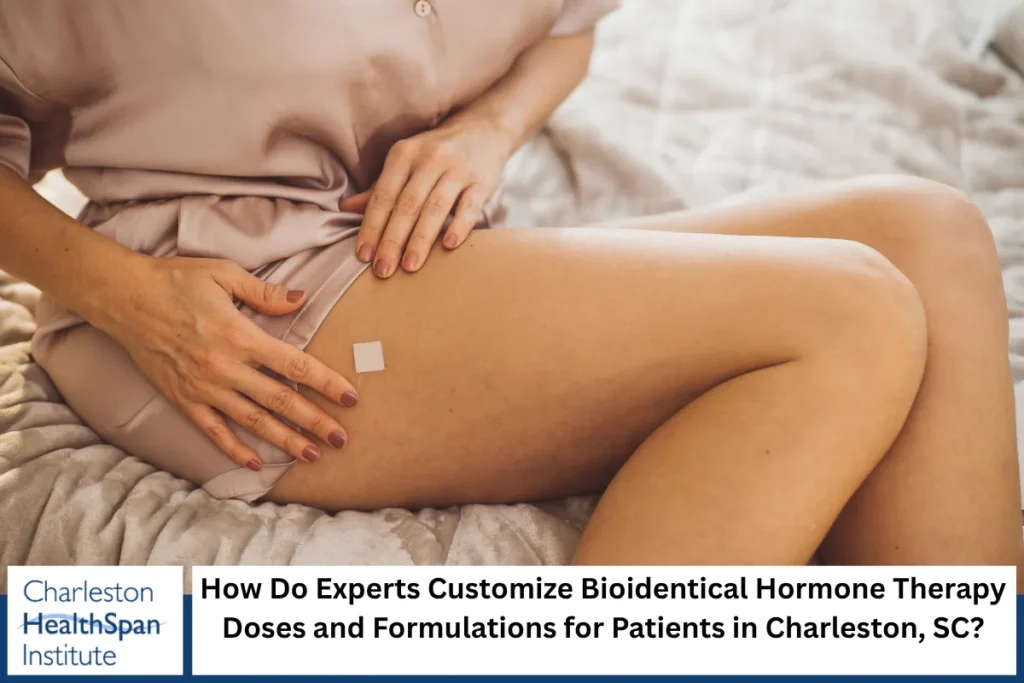
- Options for different delivery methods (creams, pellets, patches, oral formulations)
Bioidentical hormone therapy can be an excellent option for those seeking a natural and effective solution for hormone-related symptoms.
Read Charleston Hormone Therapy Clinic Near Me: What is the Best Age to Start Hormone Therapy
Who is a Good Candidate for Hormone Therapy?
Factors That Make You Eligible for Treatment
Not everyone with hormone imbalance needs therapy. The best candidates are individuals who:
- Experience persistent symptoms affecting their quality of life
- Have laboratory-confirmed hormonal deficiencies or imbalances
- Are otherwise in good general health
- Have not found relief through lifestyle changes alone
When to See a Hormone Doctor
Consider scheduling a consultation with a hormone therapy clinic near you if:
- You have unexplained symptoms that have not improved with conventional treatments
- Menopause, perimenopause, or andropause is affecting your well-being
- Your primary care doctor recommends specialist evaluation
- You are interested in proactive aging and wellness strategies
Special Considerations for Women and Men
Women often seek bioidentical hormone therapy to manage menopausal symptoms, irregular cycles, or PMS. Men may pursue treatment to address low testosterone, energy decline, or decreased muscle mass. Hormone doctors consider medical history, current health, and lifestyle when determining the most appropriate approach.
How a Hormone Therapy Clinic Near Me Creates a Personalized Plan
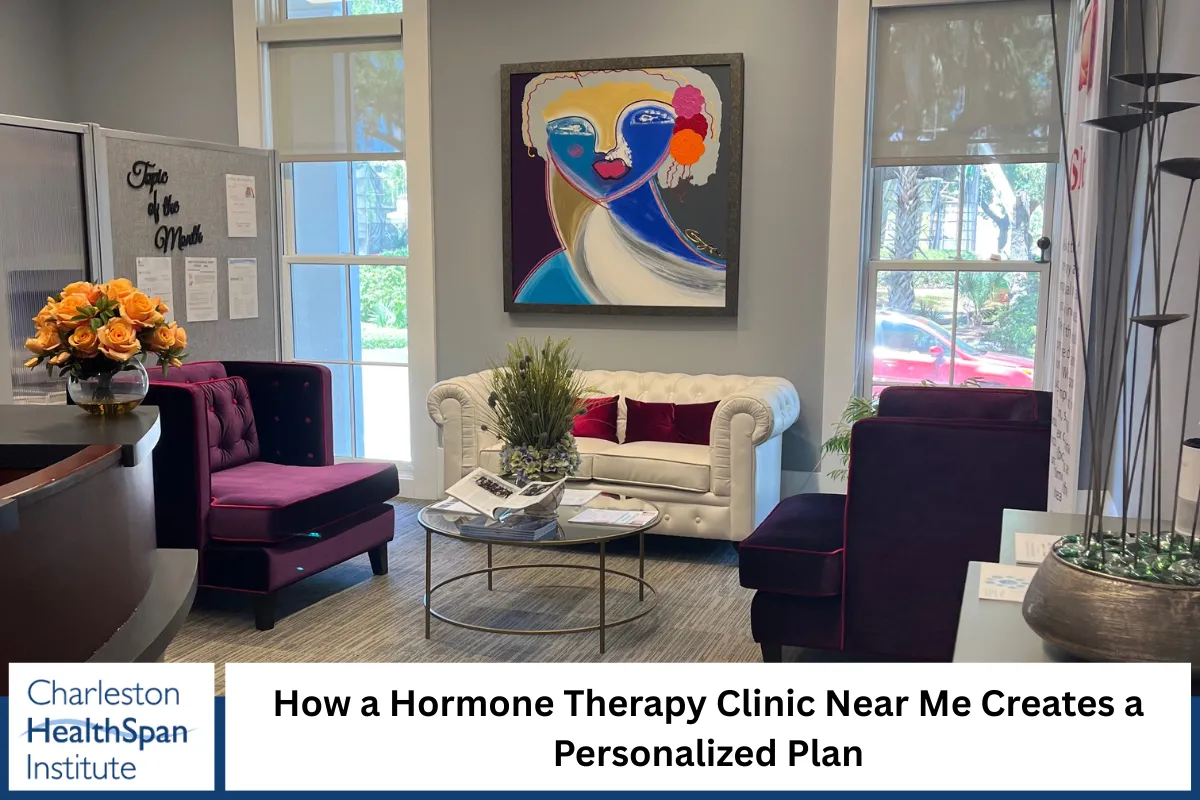
The Patient Journey: What to Expect
- Initial Consultation: Comprehensive review of medical history and symptoms
- Advanced Diagnostic Testing: Hormone panels, metabolic assessments, and sometimes genetic testing
- Individualized Treatment Plan: Customized prescription and wellness recommendations
- Ongoing Support: Regular follow-up, symptom tracking, and dose adjustments
Integrative Approaches Beyond Hormone Therapy
Top clinics often incorporate:
- Nutritional counseling
- Fitness recommendations
- Stress management techniques
- Supplement protocols
This holistic approach ensures lasting improvements in overall health, not just symptom relief.
Myths and Facts About Hormone Replacement Therapy
Addressing Common Concerns
Myth: Hormone therapy is only for older adults.
Fact: Hormonal imbalance can affect adults at any age and stage of life.
Myth: All hormone therapies are the same.
Fact: Bioidentical hormones are tailored for safety and effectiveness, while synthetic hormones may not offer the same benefits.
Myth: Hormone therapy increases the risk of serious side effects.
Fact: With proper medical supervision, bioidentical hormone therapy can be safe and well-tolerated.
Top Questions to Ask at Your First Appointment
- What types of hormone therapies are available at your clinic?
- How do you monitor treatment effectiveness and safety?
- Are bioidentical hormones right for my situation?
- How long does it take to see results?
- Will insurance cover hormone therapy?
Being prepared with questions helps you make informed decisions about your care.
Why Choosing a Local Clinic Matters
The Value of Proximity and Personalized Care
Selecting a hormone therapy clinic near you ensures easy access to care, personalized attention, and the opportunity to build long-term relationships with your healthcare team. Local clinics are invested in your success and well-being.
The Role of Ongoing Monitoring
Regular check-ins and lab testing are crucial for optimal outcomes and safety. A local clinic makes it easy to schedule follow-up visits and communicate with your providers as needed.
Charleston Hormone Therapy Clinic Near Me – Charleston Healthspan Institute
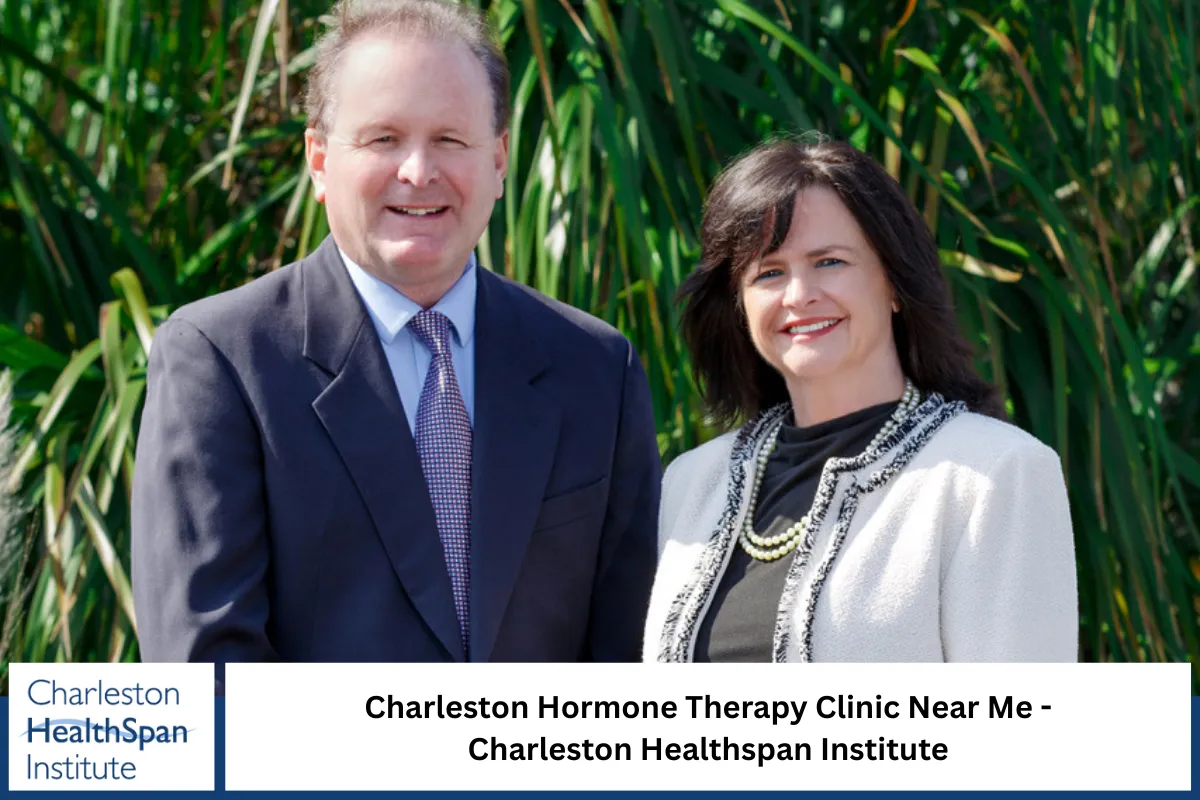
If you’re searching for a hormone therapy clinic near me, Charleston Healthspan Institute stands out as a trusted partner for your health and wellness journey. Located in Charleston, South Carolina, and serving the surrounding areas, our expert team specializes in personalized hormone therapy, advanced diagnostics, and compassionate support. Whether you’re struggling with fatigue, mood changes, or age-related symptoms, our clinic is here to help you restore balance and live your best life. Call (843) 375-6588 or fill out our simple contact form today to schedule your free consultation. Let us help you rediscover vitality with expert care right here in Charleston.
Frequently Asked Questions
1: How long does it take to feel better after starting hormone therapy?
Most patients begin noticing improvements within a few weeks, but full results often develop over two to three months because hormone levels need time to stabilize. Your body must gradually adapt to changes in estrogen, testosterone, progesterone, or thyroid hormones. Early improvements may include better sleep, increased energy, and enhanced mood. Over time, patients often report improved mental clarity, balanced weight, and restored libido. A hormone doctor will closely monitor your progress and adjust dosages to help you achieve safe, optimal results. This process varies for each person based on age, health history, and the severity of the hormone imbalance they are experiencing.
2: Is hormone therapy safe for people with existing medical conditions?
Hormone therapy can be safe for individuals with certain medical conditions, but eligibility depends on personalized evaluation. Hormone doctors assess your medical records, history of chronic illness, medications, and lab work to determine whether treatment is appropriate. Some conditions require modified dosages or additional monitoring. For example, individuals with thyroid disorders, autoimmune conditions, or metabolic issues may still qualify with proper supervision. However, some health concerns—such as certain cancers or untreated cardiovascular risks—may require alternative approaches. The safest way to determine your eligibility is through a consultation at a hormone therapy clinic near you that specializes in bioidentical hormone therapy and advanced diagnostics.
3: What is the difference between bioidentical hormones and traditional synthetic hormones?
Bioidentical hormones are chemically identical to the hormones your body naturally produces. Because of this, your system recognizes them more efficiently, often resulting in fewer side effects and more predictable absorption. Traditional synthetic hormones are created with chemical structures that differ from natural hormones, which can lead to less consistent results for some patients. Bioidentical hormone therapy is frequently preferred for its personalized dosing, natural sources, and improved compatibility with human hormone receptors. A hormone doctor will help determine which form is best based on your health goals, symptoms, and lab work.
4: Why do men need hormone therapy, and how common is low testosterone?
Low testosterone becomes increasingly common after age 30, and many men experience gradual declines that affect vitality, mood, metabolism, and sexual health. Symptoms such as fatigue, muscle loss, weight gain, reduced libido, and difficulty concentrating may indicate low testosterone. Hormone therapy for men focuses on restoring optimal testosterone levels to improve physical and cognitive performance. Treatment also helps support long-term health by maintaining bone density, cardiovascular strength, and metabolic balance. A hormone therapy clinic near you can conduct a full evaluation to determine whether testosterone therapy is appropriate and safe based on your unique profile.
5: Can hormone therapy help with weight management or stubborn fat?
Yes, hormone therapy can support weight management when imbalances are contributing to slower metabolism, poor sleep, chronic fatigue, or increased appetite. Hormones such as estrogen, progesterone, testosterone, thyroid hormones, and cortisol all influence how the body stores and uses energy. When these chemicals fall out of balance, weight gain often follows—even with healthy eating and exercise. Bioidentical hormone therapy helps restore this balance, making it easier to lose weight and maintain results. However, therapy works best when combined with lifestyle support such as nutrition guidance, exercise plans, and stress reduction strategies offered by many reputable hormone clinics.
Disclaimer: The information provided in this article is for general educational use and should not be taken as a substitute for professional medical consultation or treatment. Always speak with your healthcare provider or a licensed hormone therapy clinic near you before starting any new medical regimen or therapy.