
How a Weight Loss Doctor Can Address Binge Eating from Day One
A weight loss doctor does far more than hand you a meal plan and send you on your way. For the thousands of people in Charleston, SC who cycle through restrictive diets only to find themselves binge eating late at night, the real problem runs deeper than calories. Untreated binge patterns can block almost any weight loss program from producing sustainable results, and willpower alone rarely fixes the underlying issue.
Here is the reality: binge eating is not a character flaw. It is a pattern rooted in biology, psychology, and sometimes hormones. When someone repeatedly eats large amounts of food in a short period, feeling completely out of control, that is not the same as having a second helping at Thanksgiving. A physician can distinguish between occasional overeating and binge eating disorder, and that distinction changes everything about how treatment should work.
Modern weight loss management focuses on health and behavior rather than blame. When medical weight loss, counseling, and lifestyle coaching work together, patients are far more likely to achieve sustainable results than when relying on any single approach alone. The goal is not perfection. It is progress that sticks.
Key Takeaways
- Yes, a weight loss doctor in Charleston, SC can help with binge eating when they combine medical evaluation, nutritional counseling, and psychological support into one coordinated plan.
- A multidisciplinary approach can effectively address binge eating by treating the whole person, not just the number on the scale. Effective care blends medical weight loss with behavior therapy and attention to emotional triggers.
- FDA approved medications, structured programs, and screening for hormone or metabolism issues can reduce binge frequency and support long term success.
- Losing just 5% of total body weight can improve health for many people dealing with obesity, meaning even modest progress matters.
- In the Charleston area, patients benefit most from coordinated care that addresses binge eating alongside related issues like stress, poor sleep, and hormonal imbalances.
What Binge Eating Looks Like and Why It Makes Losing Weight So Hard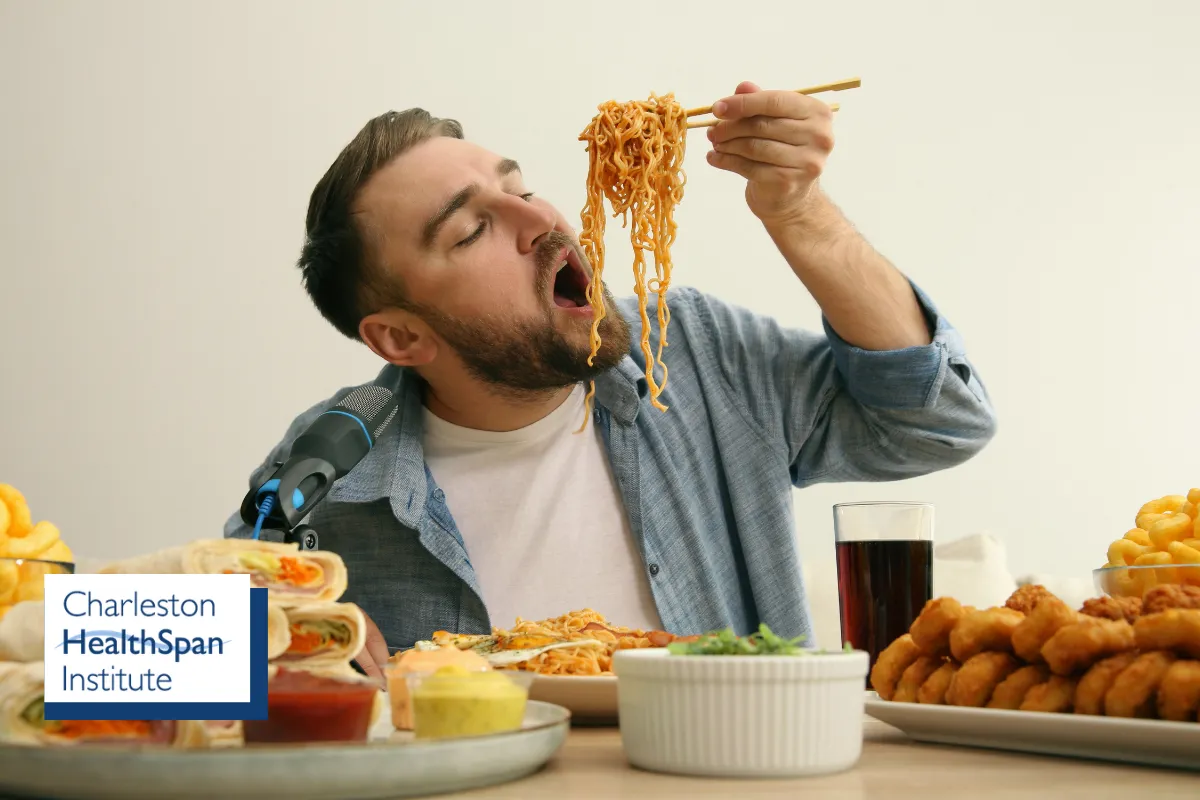
Overeating at a cookout is one thing. Binge eating is something different entirely. Eating disorders are mental health conditions that can cause preoccupation with food and appearance, and binge eating disorder is among the most common. The most common types of eating disorders are anorexia nervosa, bulimia nervosa, and binge eating disorder, yet binge eating disorder often goes undiagnosed for years.
Binge eating disorder requires specialized treatment because its symptoms go beyond simply eating too much. Common signs include:
- Eating unusually large amounts of food when not physically hungry
- Eating rapidly, often barely tasting the food
- Eating alone out of embarrassment about how much is being consumed
- Feeling intense guilt, shame, or disgust after an episode
Binge eating disorder is recognized in the DSM-5 as a formal mental health diagnosis. Up to 70% of people with the condition also live with obesity, and the two problems feed each other in a vicious loop. Repeated binges derail calorie goals, spike blood sugar and insulin, and make it nearly impossible to track progress on the scale.
The emotional cycle is predictable and exhausting: restriction leads to cravings, cravings lead to a binge, the binge triggers shame, and shame drives more restriction. Simple advice like “just eat less” fails because it ignores this pattern completely. Many patients also struggle with anxiety, depression, or trauma, which a weight management team should screen for and address through appropriate referral.
Core Tools a Charleston Weight Loss Doctor Uses to Treat Binge Eating
The best plans for dealing with binge eating are individualized, evidence-based, and medically supervised. No two patients walk in with the same triggers, history, or body, so cookie-cutter programs rarely hold up.
A physician starts by taking a detailed history. That means going beyond your current weight to explore:
- Timing and triggers of binge episodes
- Previous diets and their outcomes
- Sleep quality and stress levels
- Current medications and supplements
- Family history of obesity or eating disorders
Bariatric doctors specialize in obesity and weight management and have been helping patients since 1974. Local institutions in Charleston have offered structured weight management services for decades, with some programs designed for patients looking to lose anywhere from 5 to 100 pounds.
Lab work is a standard part of the process. Physicians evaluate thyroid function, blood sugar, cholesterol, vitamin levels, and sometimes sex hormones to rule out medical contributors to excess weight and persistent cravings. Some practices use bioimpedance technology to track body composition over time, giving a clearer picture than the scale alone.
A structured weight loss program helps by providing planned meals or meal templates, regular visits, coaching check-ins, and monitoring of weight, mood, and binge episodes. Weight loss doctors provide tailored nutrition and exercise plans rather than generic diet sheets. Treatment goals extend beyond how much weight someone loses. They also focus on reducing binge frequency, improving energy, and healing the relationship with food.
For patients whose condition warrants it, weight loss doctors can refer patients for weight loss surgery when other approaches have not produced adequate results. This is part of a complete care model, not a first resort.
Medications, Hormones, and Peptides: When Medical Therapies Make Sense
Medication is never a stand-alone cure for binge eating. But when combined with behavioral work, it can be the difference between struggling and making real progress. The right prescription, chosen carefully and monitored closely, supports the psychological work that drives lasting results.
GLP-1 medications mimic the natural GLP-1 hormone in the body, helping regulate appetite and blood sugar levels. These drugs help patients feel full faster and eat less, which can significantly reduce binge urges over time. Most GLP-1 medications are FDA approved for obesity treatment, and patients can lose up to 15% of body weight in one year when these medications are part of a comprehensive plan. Weight loss injections typically take less than 15 minutes to administer, making them practical even for people with packed schedules.
Doctors in Charleston, SC must follow FDA and South Carolina regulations when prescribing these drugs. FDA approved medications are always preferred. Compounded versions are used cautiously and only when clinically appropriate. The South Carolina Attorney General has issued consumer alerts warning against unapproved formulations of popular weight loss drugs marketed as drops, patches, or lozenges, so patients should verify that prescriptions are for approved formulations.
Certain antidepressants and other medications are sometimes prescribed off-label for binge eating disorder by psychiatrists or primary care clinicians. Collaboration between a weight loss specialist and a mental health provider is ideal for moderate to severe cases. Some programs also include Vitamin B12 injections as part of a broader protocol to support metabolism and energy during the fat loss journey.
A hormone therapy clinic can evaluate thyroid, estrogen, progesterone, and testosterone levels. Major imbalances in these hormones can worsen mood, disrupt sleep, and intensify cravings, making every other treatment less effective. Bioidentical hormone therapy and HRT are options when a genuine deficiency is identified, but any hormone replacement therapy should be individualized and risk-benefit based, never used solely for cosmetic purposes.
Peptide therapy is an emerging tool for metabolism and body composition. Some peptides like CJC-1295 with Ipamorelin are used under clinical supervision for their potential effects on growth hormone and recovery. In South Carolina, peptide therapy must be prescribed and monitored by a licensed clinician using evidence-informed protocols. If you have been searching for peptide therapy options, ask your provider about safety data, sourcing from regulated pharmacies, and how it fits into a broader plan that also addresses binge triggers. FDA approved peptides carry more robust clinical data, while non-approved compounds require extra caution and transparency from the prescribing physician.
Behavioral Strategies Weight Loss Clinics Use to Reduce Binge Episodes
Sustainable weight loss services always include behavior change, not only prescriptions or injections. Without addressing the psychological drivers of binge eating, medication alone tends to produce results that fade once treatment stops.
Evidence-based psychotherapy is commonly used to help identify binge triggers. Cognitive Behavioral Therapy is considered a first-line treatment for binge eating disorder, with studies showing full remission of binge episodes in roughly 60 to 65% of patients who complete a course. A typical program teaches patients to:
- Keep a food journal that tracks meals, hunger levels, and emotional state
- Identify all-or-nothing thinking patterns that lead to restrict-binge cycles
- Replace rigid self-talk with flexible, realistic responses
- Practice urge-surfing and delay techniques, such as waiting 10 to 15 minutes before acting on a craving
- Make environmental changes like keeping common binge foods out of easy reach
Nutrition counseling aims to develop consistent meal patterns and improve hunger awareness, which prevents the extreme deprivation that often sparks a late-night binge. Regular, balanced meals and snacks throughout the day keep blood sugar steady and reduce the physiological drive to overeat.
Many practices collaborate with therapists or registered dietitians who specialize in binge eating disorder and mindful eating approaches. Telehealth options are increasingly available in the Charleston area, making support more accessible for patients with busy schedules, family obligations, or transportation barriers. A healthier lifestyle starts with having the right team in place.
Choosing the Right Weight Loss Program in Charleston, SC for Binge Eating
Not every weight loss clinic is equipped to treat binge eating safely. Some programs focus exclusively on rapid fat loss without considering the psychological component, which can actually worsen binge-restrict cycles. Asking the right questions before committing saves time, money, and frustration.
When evaluating a practice, consider asking:
- Do you screen for eating disorders as part of your intake process?
- How do you handle emotional eating and binge patterns?
- What types of professionals are on your team (physicians, dietitians, therapists)?
- How often do follow-up visits occur, and what does ongoing support look like?
- Are your medications FDA approved, and do you explain off-label use clearly?
Programs that emphasize long term weight management rather than dramatic, unsupervised drops on the scale tend to produce better outcomes for people who struggle with binge eating. Look for practices that personalize calorie targets, avoid extreme restriction, and respect cultural food preferences and family routines. A healthy diet is one you can actually maintain.
Reputable clinics provide clear information about costs, expected timelines, and whether insurance or health savings accounts might help you pay for services. Some programs include additional treatments like group classes, exercise guidance, or body composition tracking to help patients stay committed.
If you are in Charleston SC and dealing with binge eating alongside stubborn fat or overall health concerns, seek care where you feel heard and supported. The right program meets you where you are and builds a path toward a life where food is not the enemy. Weight loss specialists who understand disordered eating will never shame you for struggling. That matters more than most people realize.
Weight Loss Doctor in Charleston, SC – Charleston Healthspan Institute
At Charleston Healthspan Institute, we understand that binge eating and weight concerns rarely have a simple fix. Our weight loss doctor designs individualized medical weight loss plans that account for your hormones, metabolism, appetite, and emotional triggers rather than relying on a one-size-fits-all approach.
We integrate tools like structured nutrition plans, support for behavior change, and carefully selected medications or peptide-based therapies, all within South Carolina regulations. Our team is committed to helping you achieve your weight loss goals through expert guidance and compassionate, judgment-free care.
Located in Charleston, South Carolina, we also serve surrounding communities throughout the Charleston area. Whether you are looking for a complete evaluation or want to explore how a combination of medical and behavioral strategies can help you lose weight safely, we are here for you.
Call us at (843) 375-6588 or fill out our secure contact form to schedule a consultation. Let us help you take the first step toward lasting results and a healthier, more balanced life.
Frequently Asked Questions
Below are answers to common questions we hear from people in Charleston, SC who are considering medical help for binge eating but want practical details before making a decision.
Do I need an official binge eating disorder diagnosis before seeing a weight loss doctor?
No. You do not need a formal diagnosis to schedule a visit. A qualified physician will conduct a thorough screening during your initial appointment to determine whether your eating patterns meet the criteria for binge eating disorder or fall into another category. Many patients come in simply because they notice they cannot stop eating once they start, or they eat large amounts when not hungry. The doctor evaluates your history, lab results, and symptoms to create the right plan. Getting assessed is the first step, and you do not need to self-diagnose before walking through the door.
How long does it usually take to see fewer binge episodes after starting treatment?
Timelines vary, but many patients notice a reduction in binge frequency within four to eight weeks of starting a structured program that combines behavioral strategies with medical support. Cognitive Behavioral Therapy often produces measurable improvement within 8 to 12 sessions. If medication is part of the plan, appetite-related changes may appear within the first few weeks, though full therapeutic effects can take up to 12 weeks. Consistency matters more than speed. Patients who attend regular follow-ups and practice the skills they learn between visits tend to see progress that holds over months rather than just days.
Can my family members attend appointments or be involved in my treatment?
Yes, and in many cases, involving a spouse, parent, or other supportive family member can strengthen outcomes. Some treatment models, particularly for younger patients, are built around family participation. For adults, having a partner understand the treatment plan, meal structure, and emotional triggers can reduce friction at home around food. Most clinics in the Charleston area welcome family involvement as long as the patient is comfortable. Discuss this with your doctor during intake so the team can adjust their approach to fit your household dynamics and create the most supportive environment possible.
What happens if a prescribed medication does not reduce my binge eating?
If one medication does not produce the expected results, your doctor will reassess and adjust the plan. This might mean changing the dose, switching to a different medication, or adding a behavioral intervention that was not previously included. Medicine is only one piece of the puzzle, and some patients respond better to certain drug classes than others. Your physician should be transparent about what the next steps look like if the first approach falls short. The goal is to find a combination of tools that work for your specific body and situation, and that process sometimes requires patience and open communication.
How is my medical information kept private when I seek treatment for binge eating in South Carolina?
South Carolina follows federal HIPAA regulations, which require all healthcare providers to protect the confidentiality of your medical records. Whether you attend in-person visits or use telehealth services, your diagnosis, treatment details, and personal health information cannot be shared without your written consent. Telemedicine providers in the state must meet the same privacy and documentation standards as in-person clinics. If privacy concerns have kept you from seeking help, know that your records are legally protected and that reputable practices take this obligation seriously. You can ask any clinic about their specific privacy policies before your first appointment.
Disclaimer: This article is for informational purposes only and does not constitute medical advice. Binge eating disorder is a serious condition requiring professional evaluation. Always consult a licensed healthcare provider in South Carolina before starting any treatment, medication, or therapy program.