Why a Hormone Doctor Is Often the Missing Link in Menopause Weight Gain
A hormone doctor can be the difference between years of frustration and a clear path forward when menopause weight gain refuses to budge. If you live in Mt. Pleasant, Charleston, or anywhere along the South Carolina coast, you have likely noticed that the diet and exercise routine that worked at 35 feels almost useless at 50. The scale creeps up, your waistline thickens, and energy disappears no matter what you try. That is not a willpower problem. It is a hormonal one.
Here is the short answer to the question in the title: bioidentical hormone therapy can help rebalance the hormones driving hot flashes, sleep disruption, carb cravings, and central fat storage. It can make losing weight more achievable. But it is not a stand-alone diet drug. A dedicated hormone therapy clinic evaluates your hormones, thyroid function, insulin resistance, and lifestyle factors to build a plan that actually fits your body, rather than offering a one-size-fits-all pellet or injection.
Perimenopause often begins in the late 40s, sometimes the early 40s, and the first one to two years after the final menstrual period are when body composition shifts most rapidly. Understanding why that happens is the first step toward doing something about it.
Key Takeaways
- Menopause weight gain is common, and declining estrogen, progesterone, and testosterone are major drivers of stubborn belly fat and metabolic slowdown.
- Bioidentical hormone replacement therapy can alleviate menopause symptoms tied to low hormones, which may indirectly improve body composition and fat distribution, but hormone replacement therapy is not a weight loss solution on its own.
- Sustainable results come from combining a customized treatment plan that may include BHRT with resistance training, targeted nutrition, sleep support, and stress reduction.
- South Carolina-licensed clinicians follow North American Menopause Society and FDA guidance, conducting thorough risk assessments before prescribing any form of hormone therapy.
How Menopause Triggers Weight Gain and “Menopause Belly”
Weight gain often starts during perimenopause, up to 10 years before menopause officially begins. During this window, most women notice fat migrating from hips and thighs to the waistline even when their habits stay the same. Longitudinal data show that perimenopausal women gain roughly 0.6 kg per year and add about 2.3 cm to their waist annually.
The mechanisms behind this shift include:
- Decreased estrogen and progesterone trigger metabolic changes leading to weight gain. As estradiol drops, the body preferentially stores fat in the abdomen rather than the lower body.
- Muscle mass decreases during menopause, resulting in fewer calories burned at rest. This age-related muscle loss, sometimes called sarcopenia, lowers resting metabolic rate and makes it easier to gain fat even at the same calorie intake.
- Insulin sensitivity declines, making blood sugar harder to regulate. Over time, this promotes more fat storage and stronger cravings for refined carbohydrates.
- Chronic stress, elevated cortisol, poor sleep from night sweats, and more sedentary routines in midlife all compound the problem.
The abdominal fat that accumulates, often called menopause belly, is not just cosmetic. It is visceral fat surrounding internal organs, and it raises inflammation, blood pressure, and the risk of type 2 diabetes and heart disease. Menopause weight gain increases the risk of diabetes and heart disease significantly for women over 50.
What a Hormone Doctor in Mt. Pleasant, SC Actually Evaluates
A midlife weight consultation at a specialized clinic is far more thorough than a ten-minute primary care visit. In South Carolina, prescribers are expected to follow informed-consent laws and national standards of care when recommending any form of hormone replacement.
Experts recommend a thorough consultation to evaluate unique hormone levels through blood tests or other screenings. During an initial consultation, here is what a menopause-focused clinician typically covers:
Symptom and medical history:
- Frequency and severity of hot flashes, night sweats, mood swings, brain fog, vaginal dryness, low libido, fatigue, and hair loss
- Timing of menstrual changes, pregnancies, and any surgical history such as hysterectomy
- Current medications, supplements, and prior experience with hormone therapy
Lab testing:
- Estradiol, progesterone, testosterone, FSH/LH
- TSH, free T3, free T4 (thyroid panel)
- Fasting glucose, hemoglobin A1c, comprehensive lipid panel
- Liver and kidney function, vitamin D
- Coverage for these labs depends on your insurance company and specific plan
Body composition metrics:
- Waist circumference, waist-to-hip ratio, BMI
- Optional DEXA scan or bioimpedance analysis to distinguish lean tissue from fat
These measurements matter because muscle tone and fat distribution tell a far more useful story than scale weight alone. Clinicians in mount pleasant and charleston south carolina also screen for contraindications to hormone therapy, including prior hormone-sensitive cancers, clotting disorders, unexplained vaginal bleeding, migraine with aura, and recent cardiovascular events.
Can BHRT Really Help with Menopause Weight Gain?
Bioidentical hormone replacement therapy uses plant-derived hormones, including estradiol, micronized progesterone, and sometimes testosterone, that are chemically identical to the hormones your body once produced. Bioidentical hormones are recognized by the body as natural, and bioidentical hormone therapy is personalized based on individual needs. These treatments are available in FDA-approved formulations and, where clinically justified, through carefully compounded prescriptions.
So can it actually help with weight? The realistic answer is yes, but with caveats.
Research from a landmark three-year trial showed that women on estrogen with or without a progestogen gained roughly 1 kg less than those on placebo and saw about 1.2 cm less increase in waist circumference. A separate six-month randomized controlled trial found that women receiving combined estradiol and progestogen had significant reductions in waist circumference, hip circumference, and subcutaneous abdominal fat, while the placebo group gained weight. Hormone therapy may redistribute fat from the midsection to thighs, which reverses part of the unfavorable shift that happens during menopause.
Menopausal hormone therapy can improve quality of life and menopause symptoms, and the symptom relief itself is a game changer for weight management. Improved sleep quality can support appetite regulation and energy levels during menopause, making it easier to stay active. When hot flashes stop waking you up three times a night, you have more energy for morning exercise. When mood changes stabilize, stress eating often decreases.
On the metabolic side, a 2024 meta-analysis of 17 randomized controlled trials found that hormone therapy reduced insulin resistance in postmenopausal women, with estrogen-only regimens showing the strongest effect. Hormone therapy delivers hormones your body no longer produces, and restoring them can improve cholesterol patterns and reduce visceral fat in appropriately selected patients.
For some women, the benefits of hormone therapy are most significant if initiated within 10 years of menopause. NAMS guidelines and FDA recommendations both emphasize starting at the lowest effective dose, evaluating personal and family risk factors, and discussing FDA-approved treatment options before turning to compounded formulations. In south carolina, prescribers must document indications, alternatives, and follow-up plans, especially when using compounded bioidentical hormones.
Hormone replacement therapy alleviates menopause symptoms like vaginal dryness, low libido, and other symptoms that erode overall well being and make healthy habits harder to sustain.
Pellet Therapy, Gels, Patches, and Pills: Pros and Cons for Weight and Symptoms
Women in pleasant sc often hear about pellet therapy as a convenient fix for low energy and weight gain. Each delivery method has distinct advantages and trade-offs worth understanding before committing.
Pellet therapy:
- Small cylinders implanted under the skin release hormones steadily over several months
- Convenient, no daily dosing
- Concerns include difficulty adjusting dose mid-cycle, potential for supraphysiologic levels, and inconsistent compounding quality if not closely regulated
Transdermal options (patches, gels, sprays):
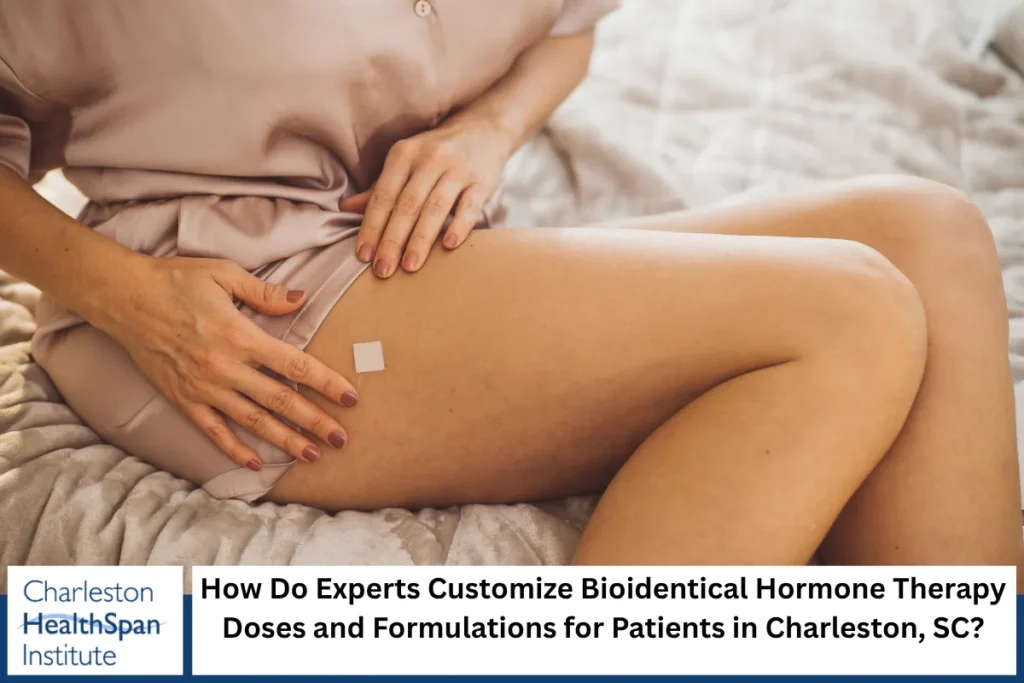
- Provide steady absorption through the skin, bypassing the liver
- Lower risk of blood clots compared to oral estrogen, making them a preferred effective option for women with metabolic risk factors
- Dose adjustments are straightforward
Oral formulations:
- Micronized progesterone offers uterine protection and can improve sleep
- Certain oral estrogen products are well studied, but the first-pass liver effect can raise triglycerides and clotting markers
- Best suited for women without elevated cardiovascular or clotting risk
The honest takeaway: choice of delivery method rarely changes weight outcomes dramatically on its own. What matters more is reaching the right dose, monitoring labs and symptoms every few months, and pairing therapy with the lifestyle changes that actually drive visible results.
Strategic Nutrition, Exercise, and Peptides Alongside BHRT
Regardless of whether a woman uses HRT, long-term success with menopause weight gain requires targeted lifestyle changes. Bioidentical hormone therapy simply makes those changes more achievable by addressing the hormonal imbalance underneath.
Nutrition for midlife weight loss:
- Aim for a modest calorie deficit with higher protein intake, roughly 1.0 to 1.2 grams per kilogram of body weight daily, to preserve muscle mass
- The Mediterranean diet can help manage menopausal weight gain, emphasizing vegetables, healthy fats, lean proteins, and fiber
- Limit alcohol and added sugars, which drive abdominal fat storage disproportionately after 40
- Balancing hormones like cortisol and insulin helps manage metabolic changes that lead to weight gain, and nutrition plays a vital role in that process
Regular exercise recommendations:
- At least 150 minutes per week of moderate cardio
- Two to three days of resistance training targeting legs, glutes, back, and core to counter bone and muscle loss and maintain resting metabolism
- Strength work is essential for preserving muscle tone that keeps your body burning calories efficiently
Sleep and stress management:
- Hot flashes and night sweats sabotage sleep, raise cortisol, and push weight gain through increased appetite and decreased willpower
- Cognitive behavioral strategies, relaxation techniques, and supervised sleep support can break this cycle
Some patients ask about peptide therapy or modern weight-management medications. GLP-1 agonists and carefully selected peptide protocols may support appetite control and body composition when clinically indicated, but these must be prescribed and monitored by qualified professionals who understand hormone balance and your complete health picture. These are not over-the-counter shortcuts.
Hormone Doctor in Mt. Pleasant, SC – Charleston Healthspan Institute
At Charleston Healthspan Institute, we help men and women in mount pleasant sc and surrounding areas navigate the hormonal shifts that come with aging. Our approach to menopause weight gain starts with a comprehensive evaluation, including detailed lab testing, body composition analysis, and an honest conversation about your health goals. We offer personalized care that may include bioidentical hormone therapy, peptide therapy, strategic nutrition guidance, and movement planning rather than quick, one-dimensional fixes.
Our hormone doctor takes the time to listen, explain the risks and benefits of every treatment option, and align your plan with your unique needs and medical history. Whether you are exploring pellet therapy, transdermal hormones, or synthetic options, we walk through the evidence with you so you feel confident in your own skin.
If you have been searching for menopause specialists near you, we invite you to call us at (843) 375-6588 or fill out our secure contact form to schedule a visit. We are committed to science-based wellness, realistic expectations, and helping you feel like yourself again.
Putting It All Together: Building a Menopause Weight Plan That Works
Menopause weight gain is driven by powerful hormonal and metabolic shifts, but women are not powerless. Partnering with a knowledgeable hormone doctor who understands both the science and the practical realities of midlife can restore balance and set the stage for meaningful change.
BHRT can help re-establish hormone balance and improve the symptoms that indirectly fuel weight gain, but sustainable results come from combining a treatment plan with resistance training, targeted nutrition, stress reduction, and sleep optimization. If you are in mount pleasant, Charleston, Daniel Island, or anywhere along the coast and you notice rapid waist gain, persistent fatigue, mood swings, or low libido, do not assume it is just aging.
Track your symptoms, gather your questions, and consider an initial consultation with a specialized doctor who can map out an individualized path to optimal health, rather than leaving you to trial-and-error self-experimentation.
Frequently Asked Questions
Is There a Best Age to Start BHRT If I Am Worried About Menopause Belly?
Evidence from national guidelines suggests that starting hormone therapy within roughly 10 years of the final menstrual period and before age 60 may offer the strongest symptom relief and cardiovascular benefits with the lowest relative risk. Perimenopausal women with irregular cycles and significant symptoms can sometimes begin carefully dosed therapy earlier, depending on individual factors. The primary goals are symptom relief, bone protection, and improved quality of life. Body composition improvements are a welcome secondary benefit. Women in their late 40s and early 50s should not wait until symptoms become extreme before seeking an evaluation with a menopause-informed clinician who can review their full health profile.
Can I Use BHRT If I Have Had a Hysterectomy but Still Struggle with Weight Gain?
Women who have had a hysterectomy but retained their ovaries may still go through perimenopause naturally. Those whose ovaries were also removed experience surgical menopause, often with more abrupt and severe symptoms. Without a uterus, progesterone for uterine protection is typically unnecessary, and estrogen-only therapy may be an option if other factors indicate low risk. Estrogen therapy can ease hot flashes, sleep disruption, and mood changes that contribute to weight gain, though it remains a tool for symptom management rather than a weight loss prescription. All candidates still require individualized risk assessment, breast screening, and a thorough discussion of alternatives with a qualified clinician.
How Long Does It Take to Notice Any Change in Weight or Shape on BHRT?
Symptom relief from hot flashes and sleep disturbances may appear within a few weeks of starting therapy. However, measurable changes in body composition and waist circumference usually take three to six months or longer. Regular follow-ups every three to six months allow dose adjustments and tracking of lab results, waist measurements, and how clothing fits, which are often more meaningful than fixating on scale weight. Nutrition and regular exercise are what drive most of the visible weight and shape shifts. If no improvement is seen after several months, your hormone doctor can re-evaluate your regimen, adjust doses, or explore other treatments to better match your health goals.
Is BHRT Covered by Insurance in South Carolina?
Coverage varies widely by plan. Many insurance plans cover FDA-approved hormone replacement therapy prescriptions, standard lab work, and office visits. Compounded BHRT products and pellet procedures may not be covered under every policy. Some specialty practices operate out-of-network but provide superbills that patients can submit to their insurance company for possible reimbursement. Before starting treatment, contact your insurer with specific medication names and procedure codes to clarify expected costs. Health Savings Accounts and a flexible spending account can often be used for qualified medical expenses related to hormone care, which can offset out-of-pocket costs significantly.
What If I Prefer Not to Use Hormones at All? Can I Still Address Menopause Weight Gain?
Many women cannot or choose not to use hormone therapy, and there are still effective strategies for tackling midlife weight gain and managing other symptoms. Non-hormonal options for hot flashes and mood changes include certain antidepressants, gabapentin, and newer non-hormonal medications that have shown benefit in clinical studies. Structured nutrition counseling, progressive resistance-training programs, and dedicated sleep and stress management form a strong foundation for weight management without estrogen or progesterone. A hormone-focused clinic can still provide metabolic testing, coaching, and, when appropriate, weight-management medications as part of a comprehensive approach. Voice your preferences openly so your services and care plan align with both your health profile and comfort level.
Disclaimer: This article is for informational purposes only and does not constitute medical advice. Hormone therapy carries risks that vary by individual. Consult a licensed healthcare provider in South Carolina to discuss your specific symptoms, history, and treatment options before beginning any therapy.