Pairing Testosterone with Peptides: The Short Answer Up Front
A hormone doctor is often the first call people make when fatigue, stubborn weight gain, and decreased libido start affecting daily life. You search for answers, try supplements, adjust your diet, and still feel stuck. The frustration builds because something deeper seems off, and basic lifestyle changes alone are not enough. The solution may involve more than a single prescription. When a clinician in Mt. Pleasant or the greater Charleston, SC area combines testosterone replacement with targeted peptide therapy under proper medical supervision, patients often experience broader improvements than either approach delivers alone.
Testosterone replacement is a well-established form of hormone therapy prescribed primarily for men with low levels, though select women also benefit from carefully dosed protocols. Peptides are short amino-acid chains that act as signaling molecules, supporting recovery, body composition, sleep, and aging-related decline. In South Carolina, licensed clinicians can legally prescribe both when they follow FDA and state Board of Medical Examiners rules. The rest of this article breaks down benefits, risks, candidate selection, and what a local hormone therapy clinic can actually do for you.
Key Takeaways
- A qualified hormone doctor in Mt. Pleasant, SC can safely pair testosterone replacement with peptide therapy after evaluating labs, medical history, and individual health goals.
- Combining testosterone therapy and peptides addresses multiple health facets, including energy, body composition, recovery, sexual health, and long-term metabolic wellness.
- Not every patient needs combination therapy. Candidacy depends on documented hormone levels, symptoms, cardiovascular status, and willingness to commit to ongoing monitoring.
- Unsupervised use of testosterone or peptides from online “research chemical” vendors or gym sources raises serious safety and legal risks under South Carolina law, where testosterone is classified as a Schedule III controlled substance.
- Lifestyle factors like nutrition, resistance training, and sleep hygiene play a vital role in making any hormone or peptide protocol effective and sustainable.
Testosterone Therapy Basics in Mt. Pleasant, South Carolina
Testosterone replacement therapy fits into modern clinical care for men and women dealing with hormonal imbalance that disrupts everyday function. In Mount Pleasant and across Charleston SC, patients commonly seek evaluation because of persistent fatigue, unexplained weight gain, low libido, brain fog, decreased muscle mass, mood swings, and sleep problems. Many women also notice irritability, night sweats, and difficulty feeling comfortable in their own skin as they approach menopause.
A hormone doctor confirms low or suboptimal testosterone through fasting morning blood tests, a thorough symptoms review, a full medications list, and screening for comorbidities like sleep apnea, heart disease, and prostate concerns in men. Testosterone therapy can improve libido and energy levels, and it can help maintain muscle mass and bone density over time. Research consistently shows that men with higher testosterone levels have lower mortality rates, reinforcing the clinical rationale for restoring balance when deficiency is documented.
Common delivery methods used in South Carolina practices include:
- Intramuscular or subcutaneous injections (testosterone cypionate or enanthate)
- Topical creams and gels applied daily
- Hormone pellet therapy, where small pellets are inserted under the skin
Testosterone therapy can be administered via pellets or topical creams depending on patient preference and clinical need. Hormone pellets typically last 3-5 months in men, while hormone pellet therapy lasts 3-4 months for women, making pellet therapy a convenient option for those who prefer fewer office visits. Hormone pellets can last 3-5 months for men and women overall, though individual metabolism affects duration.
Because testosterone is a Schedule III controlled substance in South Carolina, prescribers must hold proper licensure and DEA registration. Periodic labs, including CBC, PSA for men, lipids, and blood pressure monitoring, are required. Properly dosed HRT aims for physiologic levels to minimize side effects and cardiovascular risk, not supraphysiologic bodybuilding doses.
Bioidentical hormones are chemically identical to natural hormones produced by the body. Bioidentical hormone therapy uses hormones identical to natural ones, and it is tailored to individual hormone needs. For women, bioidentical hormone therapy can alleviate menopausal symptoms like hot flashes and night sweats, while also improving sleep quality and libido. Hormone replacement therapy alleviates menopause symptoms that significantly affect quality of life for most women navigating that transition.
What Are Peptides and Why Pair Them with Testosterone?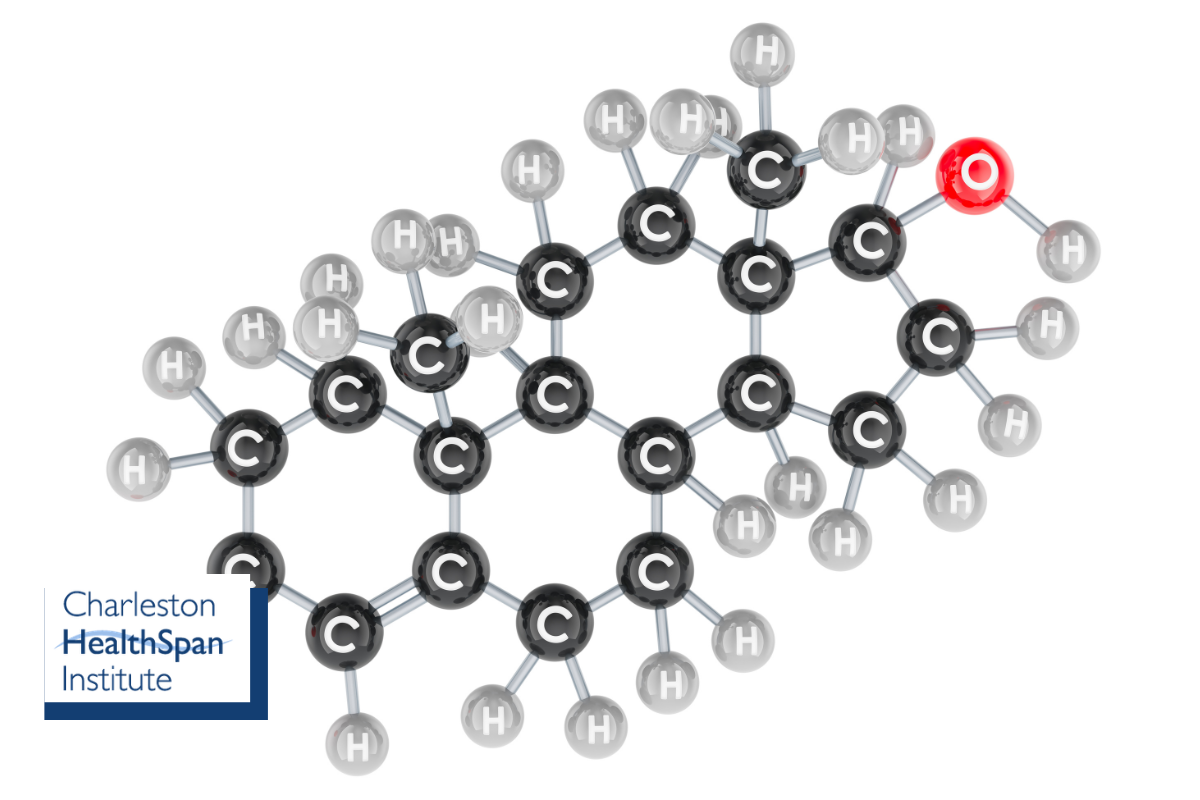
Peptides are short chains of amino acids that act like targeted signaling molecules in the body. They are used increasingly in regenerative and anti-aging medicine to address specific gaps that testosterone alone may not fill. In hormone-focused clinics, prescription peptides fall into several categories: growth-hormone-releasing peptides and secretagogues that support recovery and sleep, body-composition-supporting peptides, and tissue-repair peptides selected based on individual goals.
Peptides stimulate the body’s production of growth hormone through the pituitary gland rather than introducing synthetic growth hormone directly. GH-releasing peptides improve sleep quality and cognitive clarity, which matters for patients already dealing with the fog and fatigue that accompany hormonal decline.
Here is how peptides can complement testosterone replacement:
- Supporting lean muscle gain and connective tissue repair without simply increasing testosterone dosage
- Improving fat metabolism to assist with stubborn weight loss
- Enhancing sleep architecture, which accelerates recovery from training and daily stress
- Targeting joint and soft-tissue healing that testosterone does not directly address
Pairing testosterone and peptide therapy is not about extreme bodybuilding. It is about restoring function, resilience, and metabolic health in adults experiencing age-related hormone changes.
A critical distinction matters here: not all peptides have FDA approval for anti-aging or wellness purposes. Some are FDA-approved for specific indications, like tesamorelin for HIV-related lipodystrophy or semaglutide for diabetes and obesity. Others, such as sermorelin, ipamorelin, and BPC-157, are available through licensed compounding pharmacies under prescription but lack broad FDA-approved indications. Peptide therapy evidence varies considerably, with many uses remaining investigational, which is why medical oversight matters. In South Carolina, these medications must come from licensed compounding or specialty pharmacies with valid prescriptions, not from gray-market “research chemical” vendors.
Potential Benefits of Combining Testosterone and Peptide Therapy
Not everyone needs combination therapy. For carefully selected patients, though, adding peptides to testosterone replacement may create a more comprehensive, whole-body result that neither approach achieves in isolation. Combining testosterone therapy and peptides addresses multiple health facets, from metabolic function to tissue repair.
Metabolic and Body Composition Effects
Systematic reviews show that six months of testosterone replacement increases total lean mass and hip bone density in older men. Certain peptides enhance insulin sensitivity, complementing testosterone therapy in patients with metabolic concerns. Together, these pathways support improved muscle mass, reduced visceral fat, better glucose regulation, and easier weight loss when combined with proper nutrition and resistance training. Peptides can improve fat metabolism and weight loss through mechanisms distinct from testosterone, giving patients two levers instead of one.
Performance and Recovery
Peptides enhance repair and healing of joints, tendons, and muscles, making them valuable for adults who want to stay active as they age. Faster exercise recovery, less post-workout soreness, and improved capacity for consistent training are outcomes patients frequently report. Peptides can also mitigate TRT side effects by improving metabolic health, including fluid balance and blood sugar regulation.
Sexual Health
TRT restores libido while peptides enhance arousal through neural pathways, offering a layered approach to sexual wellness. Testosterone therapy can improve libido and energy levels on its own, but for patients with persistent low libido or arousal concerns, adding a peptide like bremelanotide (FDA-approved for hypoactive sexual desire in premenopausal women) may address desire from a different angle. This matters for both men and women seeking to restore confidence and connection.
Quality of Life
Hormone therapy can improve sleep quality and reduce fatigue. Patients commonly describe more stable mood, sharper focus, more energy throughout the day, and a renewed sense of overall well being when hormones are properly balanced. Bioidentical hormone therapy can improve sleep quality and libido, reinforcing how foundational good rest is to every other health improvement.
Long-Term Wellness
Bone density preservation and sarcopenia prevention are significant symptoms that proper hormonal support can address over years, not just months. However, large-scale human studies on specific testosterone-plus-peptide combinations are still evolving, so expectations should be grounded in what current evidence supports.
Risks, Side Effects, and Legal Considerations in South Carolina
Any hormone replacement therapy or peptide therapy carries risks that must be weighed against potential benefits. This is especially true for patients with a history of heart disease, clotting disorders, or hormone-sensitive cancers.
Common TRT-related risks a hormone doctor will monitor include:
- Elevated red blood cell count and hematocrit
- Acne or oily skin changes
- Fluid retention
- Mood changes and irritability
- Suppression of fertility (TRT reduces LH and FSH)
- Prostate-related concerns in men, including rising PSA
Possible peptide-related issues include injection-site irritation, water retention, changes in appetite or blood sugar, fatigue, and headaches. Careful monitoring is required when combining TRT and peptides due to interaction risks, including the possibility that testosterone may blunt GH secretagogue response, though data on this remains mostly preclinical. Medical supervision and dose titration are essential.
Key South Carolina regulatory points every patient should understand:
- Only licensed prescribers with DEA registration may order controlled hormones like testosterone.
- Off-label peptide use must follow both federal and state compounding rules.
- Sourcing from unregulated online sellers can violate state law and expose patients to contamination or mislabeling.
- South Carolina’s anabolic steroids statutes prohibit prescribing testosterone for the sole purpose of increasing muscle mass or athletic performance without documented medical necessity.
Combining TRT and peptides should be supervised by a medical professional who provides informed consent documentation, scheduled lab checks, and transparent risk discussion. Avoid “clinic-free” telemarketing services or gym-based supply chains that bypass proper evaluation. These shortcuts put your health and legal standing at risk.
How a Hormone Doctor in Mt. Pleasant Designs a Testosterone-Peptide Plan
No two treatment plans are identical. A properly trained clinician in Mt. Pleasant, SC follows a structured, stepwise process to create a customized treatment plan that reflects each patient’s unique needs.
Initial Evaluation
The process begins with a detailed medical history covering family history of cancer and heart disease, current medications and supplements, sleep and stress patterns, and a physical exam when appropriate. This initial consultation establishes a foundation for every decision that follows.
Baseline Lab Testing
Before prescribing anything, the clinician orders comprehensive lab testing:
- Total and free testosterone
- Estradiol, DHEA, SHBG
- Thyroid markers
- Fasting glucose and HbA1c
- Lipid panel
- Complete blood count
- PSA (in men)
- Liver and kidney function panels
- Progesterone and estrogen levels (in women)
Building the Protocol
Based on results, the clinician determines whether to start with testosterone alone or introduce peptides concurrently. The decision depends on overall health, age, symptom severity, and patient priorities. Someone primarily seeking weight loss support may need a different peptide than a patient focused on joint recovery or cognitive clarity.
Dosing begins conservatively and is adjusted over time. Follow-up labs are typically scheduled at three months and again at six months to fine-tune both testosterone and peptide dosages based on symptom tracking and side-effect monitoring.
Lifestyle Integration
Nutrition guidance, resistance training, sleep hygiene, and stress management are mandatory co-therapies. Without these other factors addressed, even the best hormone protocol produces limited results. Bioidentical hormone therapy is tailored to individual hormone needs, but lifestyle creates the foundation those hormones build on.
Who Makes a Good Candidate and Who Should Be Cautious
Not everyone in Mount Pleasant searching for faster weight loss or increased muscle mass is an appropriate candidate for testosterone plus peptides. The goal is optimal health, not shortcuts.
Typical good-candidate profiles include:
- Adults with documented low or borderline-low testosterone and persistent significant symptoms despite lifestyle changes
- Patients with stable cardiovascular status and realistic expectations about gradual improvement
- Men and women with perimenopausal, menopausal, or andropausal complaints such as fatigue, hot flashes, decreased libido, brain fog, and stubborn fat who have had other causes ruled out by a hormone specialist
Caution groups that require additional screening or alternative treatment options include:
- Individuals with active or recent hormone-sensitive cancers
- Those with uncontrolled hypertension or advanced heart failure
- Patients with severe untreated sleep apnea or significant psychiatric instability
- Anyone with near-term pregnancy intentions, since TRT suppresses fertility
- People with advanced kidney or liver disease that may alter peptide metabolism
If you are currently using over-the-counter “test boosters,” SARMs, or underground injections, disclose this fully. A safe, medically supervised transition plan can be created that accounts for what is already in your system.
Treatment should align with your values, long-term health goals, and risk tolerance. Many women and men achieve the best outcomes when they combine honest self-assessment with a clinician willing to listen and adjust. Other treatments or other methods may be more appropriate depending on your situation. A game changer for one patient may not suit another, and a responsible doctor acknowledges that openly.
Building a Safer, Smarter Strategy for Hormones and Peptides
Pairing testosterone with carefully chosen peptides can be a powerful tool when guided by a qualified hormone doctor in Mt. Pleasant, SC. The key is comprehensive lab testing, individualized dosing, and lifestyle changes that create a foundation for sustainable improvements in energy, libido, body composition, and overall wellness. If you have been searching for hormone replacement therapy, bioidentical options, or peptide protocols, seek an in-person or virtual consultation with a reputable local clinic rather than experimenting on your own. Those in Mt. Pleasant and the greater Charleston area can schedule a professional evaluation to determine whether combination therapy aligns with their health goals and medical profile.
Hormone Doctor in Mt. Pleasant, SC – Charleston Healthspan Institute
At Charleston Healthspan Institute, we specialize in helping patients across Mt. Pleasant and the surrounding Charleston area reclaim their energy, wellness, and vitality through expert hormone care. Our team evaluates every candidate for testosterone replacement, peptide therapy, and bioidentical hormone replacement therapy with thorough lab testing and a detailed health assessment before recommending any protocol.
We do not believe in one-size-fits-all treatment plans. Whether you need injections, topical hormones, or pellet therapy, we build a strategy around your unique needs, your health goals, and the life you want to live. Our services are rooted in safety, evidence-guided care, and long-term results.
If you have been experiencing low energy, low libido, stubborn weight gain, mood changes, or difficulty recovering from exercise, we encourage you to take the next step. Call us at (843) 375-6588 or fill out our contact form to schedule a consultation. We are here to help you achieve hormone balance and restore your overall well being with a plan designed specifically for you.
Frequently Asked Questions
How long does it take to notice results from combining testosterone and peptides?
Most patients notice some changes in energy or sleep within the first two to four weeks. Body composition improvements, including reduced fat and increased muscle definition, typically take eight to sixteen weeks and depend heavily on training consistency, nutrition quality, and adherence to the prescribed protocol. Libido and mood improvements often emerge somewhere in between. A hormone doctor typically reassesses labs and symptoms after three months, then again at six months, to fine-tune both testosterone and peptide dosages. If no meaningful improvement is seen after a properly supervised period with lifestyle optimization in place, the clinician will reconsider the diagnosis or investigate other contributing conditions before continuing the same approach.
Can I stay on testosterone and peptide therapy for life?
Some patients with confirmed age-related testosterone decline and chronic symptoms may benefit from long-term therapy, but “lifetime” treatment is a shared decision revisited regularly. Fertility considerations, cost, evolving side-effect profiles, and new research all influence how long someone should continue combination therapy. A responsible clinic in Mt. Pleasant will schedule routine check-ins, review lab trends over years, and occasionally suggest dose reductions or treatment holidays to determine whether lower levels still control symptoms adequately. Abrupt self-discontinuation without medical input can cause withdrawal symptoms, emotional swings, and rebound fatigue, so any changes to your protocol should be tapered and supervised by your prescribing clinician.
Will testosterone and peptides interfere with my other medications?
Interactions are possible, particularly with anticoagulants, diabetes medications, blood pressure drugs, and certain psychiatric prescriptions. Testosterone can affect blood viscosity and red blood cell production, which matters if you take blood thinners. Peptides that influence insulin sensitivity may require adjustments to diabetes medications. Providing a full medication and supplement list, including over-the-counter products and any performance enhancers, allows the hormone doctor to identify and manage potential conflicts before they become problems. Therapy may require closer monitoring of blood sugar, blood pressure, or clotting markers during the first few months. Never adjust or stop existing medications on your own when starting hormone or peptide therapy. Coordination with all prescribing providers is essential.
Is it safe to use testosterone and peptides if I only want weight loss?
While hormone balance can support healthy weight management, testosterone and peptides are not designed as stand-alone diet drugs. In a reputable hormone therapy clinic, the first step for weight concerns is a full metabolic and lifestyle assessment, not an automatic prescription. If hormone deficiencies are not present, other evidence-based weight loss tools such as nutrition programming, behavioral support, exercise guidance, or FDA-approved weight loss medications may be more appropriate. Using testosterone or peptides purely for cosmetic weight loss without documented medical indication increases risk without clear long-term benefit and may also conflict with South Carolina prescribing regulations regarding anabolic steroids and medical necessity.
What should I ask during my first consultation about testosterone and peptides?
Start by asking how the clinician determines candidacy, which specific labs are ordered, and how often bloodwork will be repeated during treatment. Ask about the particular peptide options being considered, their evidence base, expected benefits, potential risks, and the approximate timeline for re-evaluation. Inquire about total costs, including lab fees, medication, and follow-up visits, as many peptide therapies are not covered by insurance. Ask where the pharmacy sources its compounds and whether the clinic provides after-hours support if side effects occur. Choose a hormone doctor who answers clearly, welcomes questions, and focuses on long-term health rather than sales pressure or guaranteed rapid results.
Disclaimer: This article is for educational purposes only and does not constitute medical advice. Consult a licensed South Carolina clinician before starting or modifying any hormone or peptide therapy. Individual results vary based on health status, adherence, and clinical oversight.