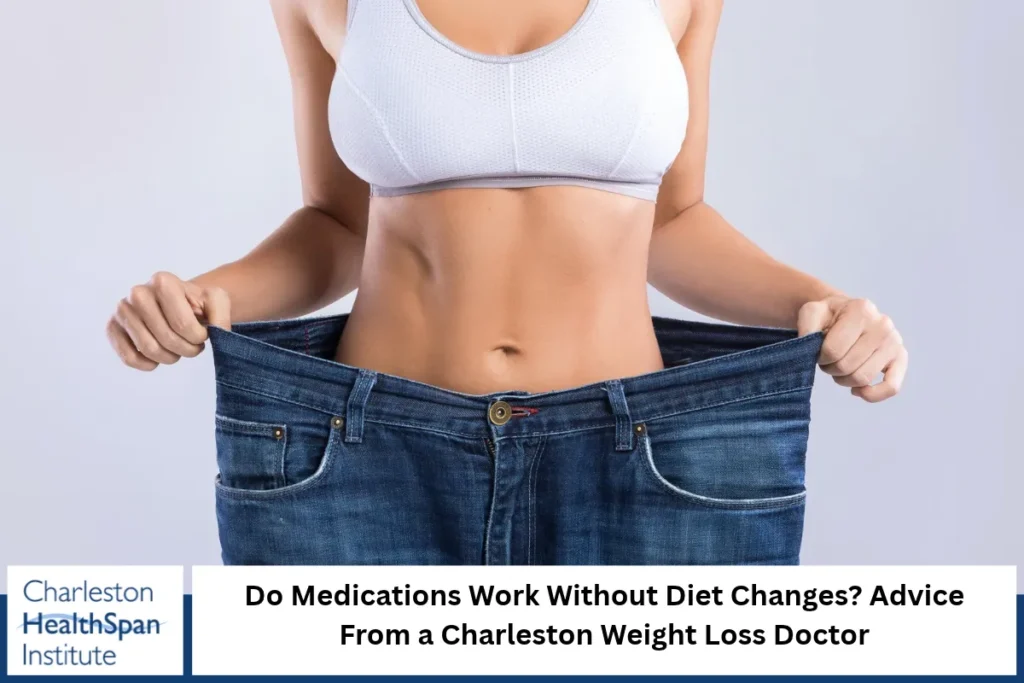
What a Weight Loss Doctor Really Thinks About “Medications Only”
A weight loss doctor hears this question almost daily: will a GLP-1 injection or appetite suppressant let me shed pounds without changing what I eat? It is one of the most honest and common questions patients in Charleston ask, and the answer is more nuanced than a simple yes or no. Excess weight is a chronic condition shaped by biological factors like insulin resistance, hormones, and a slow metabolism, not just willpower. This article compares medication-only approaches versus medication paired with nutrition and physical activity, explains how much weight people typically lose, and covers where hormone evaluation and other clinical tools fit in. You do not need a perfect diet to begin. But you do need a personalized, medically supervised plan that protects your overall health and sets you up for results that actually last.
Key Takeaways
- Prescription weight loss medications can help you lose weight without a perfect diet, but results are smaller and less durable when lifestyle changes are ignored.
- All major clinical trials of GLP-1 medications, appetite suppressants, and related drugs include guidance on healthy eating and physical activity alongside the medication itself.
- Sustainable weight loss usually requires some combination of better food quality, reduced portions, more movement, and support for behavioral changes.
- A Charleston-based physician should individualize treatment, monitor side effects, and adjust diet, medications, and hormones together for safety and long term success.
How Weight Loss Medications Work in Your Body

Medical weight loss uses prescription weight loss drugs such as GLP-1 medications, appetite suppressants, and combination therapies to support fat loss under physician supervision. These weight loss drugs work on several systems at once: hunger hormones, brain centers that control appetite, blood sugar regulation, and food intake patterns.
GLP-1 receptor agonists (such as semaglutide) and dual GIP/GLP-1 receptor agonists (such as tirzepatide) mimic natural gut hormones that regulate appetite and blood sugar. They slow stomach emptying, improve insulin sensitivity, and increase feelings of fullness, and are most commonly delivered as once-weekly injections. Specific formulations of these medications are FDA-approved for chronic weight management (while other formulations of the same active ingredients are approved for type 2 diabetes). When combined with lifestyle support, patients in clinical trials have lost an average of 10% to 21% of their starting body weight depending on the specific medication and dose. These medications act as biological tools to make dietary and lifestyle modifications more sustainable rather than relying on willpower alone.
Shorter-term appetite suppressants decrease hunger and cravings by acting on central nervous system neurotransmitters and are typically prescribed alongside a structured lifestyle program. Most weight loss medications work by regulating appetite rather than blocking nutrient absorption (with the exception of lipase inhibitors like orlistat, which reduce dietary fat absorption), meaning they do not completely override high-calorie eating habits. Prescribing in Charleston must comply with federal law and South Carolina medical regulations, and reputable clinics clearly distinguish between FDA-approved medications and unapproved compounded alternatives.
Do Medications Work Without Diet Changes at All?
Yes, many patients can lose weight while taking medication with minimal diet changes. Medications can help people naturally eat smaller portions even without dietary changes because regulating appetite reduces how much food you want. However, average results are smaller and more variable than the numbers seen in clinical trials. Many clinical trials for weight loss medications included dietary and physical activity counseling, so isolating the effect of medication alone is difficult.
When people keep eating highly processed, high-sugar foods, the medication still tends to reduce portion control and overall food intake for many. But plateaus arrive sooner, and eating high-calorie foods while on weight loss medications can lead to severe side effects like nausea and reflux. Medication-induced weight loss results can be misleading if not combined with dietary changes, because the scale may move while muscle mass quietly declines.
Here is what matters: weight loss relies on a sustained caloric deficit. Medications bend biology in your favor so you consume fewer calories naturally, but they do not erase the impact of chronic overeating or sedentary habits. Medicated weight loss can produce higher initial results than traditional dieting, yet physicians typically view medications as complementary to lifestyle modifications, not as substitutes. Even modest adjustments, such as adding protein at breakfast or cutting sugary drinks, can push results from mediocre to meaningful. Weight loss medications are not designed to work effectively on their own without dietary and lifestyle changes, and understanding that upfront helps set realistic expectations about how a medication works for you.
Medication-Only Versus Medication Plus Lifestyle Change

The biggest difference between medications alone and medications plus lifestyle changes is not just how much weight is lost. It is how long results last and how healthy you feel along the way. Lifestyle changes significantly impact weight loss medication effectiveness in ways that go beyond the scale.
- Medication only may yield smaller short-term changes and more rebound once treatment stops.
- Patients can lose 10 to 20 percent of body weight with medication and lifestyle changes, compared to significantly less without any dietary adjustments.
- Combining medication with exercise improves fat loss outcomes and helps preserve the muscle mass that keeps your metabolism running.
- Patients benefit most when they pair medication with resistance training two to three times per week, protecting lean tissue and supporting long term metabolic health.
Lifestyle change does not have to mean extreme dieting. Incremental shifts such as walking more throughout the day, reducing late-night snacking, and making simple healthy eating swaps create measurable differences. A physician-led weight loss service should provide the structure, accountability, and coaching so patients are not left guessing about what to eat or how to move.
The Role of Diet Quality, Not Just Calories, While on Medication
Medications change hunger, but food quality still shapes energy levels, blood sugar stability, inflammation, and how well you feel during treatment. Even when total calories drop automatically because you feel full faster, focusing on nutrient-dense options makes a real difference.
A balanced diet built around lean protein, fiber-rich vegetables, whole grains, and healthy fats helps stabilize appetite and support blood sugar while on GLP-1 or other medications. A diet high in protein and vegetables enhances weight loss results and helps preserve muscle mass during active weight loss. On the other hand, a poor, unvaried diet while on appetite-suppressing medications increases the risk of nutrient deficiencies, fatigue, and hair loss.
Certain foods tend to cause more trouble. Heavy fried meals, high-sugar snacks, and alcohol can worsen gastrointestinal side effects or stall progress, particularly in people dealing with insulin resistance. Dietary quality matters for weight loss; losing weight without adjusting diet often leads to lean muscle loss rather than the fat loss you actually want.
A practical example: swapping a sugary coffee drink for a protein-based breakfast with eggs and fruit is a small change that supports healthy eating habits without feeling like punishment.
How Much Weight Can You Lose With Medications?

How much weight a person loses depends on different factors, including starting body mass index, health conditions, the specific drug, dose, and commitment to lifestyle changes. Here is a general picture based on current evidence:
| Medication Type | Typical Weight Loss Range | Timeframe |
|---|---|---|
| GLP-1 agonists (semaglutide) | 10–15% of total body weight | 6–18 months |
| Dual GLP-1/GIP (tirzepatide) | 15–21% of body weight | ~72 weeks |
| Phentermine alone | 3–8% | ~28 weeks |
| Phentermine-topiramate | 7–10% | ~56 weeks |
Overall, FDA-approved GLP-1 and dual GIP/GLP-1 therapies help patients lose an average of 10% to 21% of their body weight over roughly one to one-and-a-half years when paired with structured nutrition and physical activity support. In clinical research on newer oral GLP-1 candidates, such as the Phase 3 ATTAIN-1 trial of investigational orforglipron, adults with obesity without diabetes achieved an average weight reduction of 12.4% at 72 weeks.
Even losing a significant amount, such as five to ten percent, can improve high blood pressure, high cholesterol, blood sugar control, and reduce the risk of heart disease and sleep apnea. That level of progress may also require dose adjustments for blood pressure or diabetes medications under your physician’s guidance. Setting realistic weight loss goals with a weight loss clinic means focusing on health markers, waist circumference, and energy rather than chasing a single number on the scale.
Read Does a Weight Loss Doctor in Charleston, SC Prescribe GLP-1 Medications?
Hormones, Insulin Resistance, and When HRT or Peptides Matter

Biology can fight against your best efforts, especially when insulin resistance, thyroid dysfunction, or perimenopausal hormone changes are present. These conditions can drive hunger, cravings, and stubborn fat storage, making it harder to see results even on medication.
Insulin resistance is one of the most common roadblocks. GLP-1 medications can improve insulin sensitivity and help control appetite in these patients, but a full health profile evaluation often reveals other imbalances that need attention. A physician may evaluate thyroid function, reproductive hormones, and adrenal function as part of a comprehensive metabolic workup. When laboratory testing confirms a clinical endocrine deficiency—such as hypothyroidism, hypogonadism, or symptomatic menopause—FDA-approved hormone replacement therapy (HRT) may be prescribed alongside nutrition and physical activity.
While some wellness clinics market experimental non-GLP-1 peptides for body composition, patients should note that most non-GLP-1 peptides lack FDA approval for weight management and are not backed by large-scale clinical trials. Any hormone or peptide prescribing must comply with South Carolina medical standards of care and be supervised by a licensed clinician. Hormone therapy alone will not replace diet and exercise, but treating documented endocrine conditions can improve energy, sleep, and overall metabolic health. Different biological factors play a role in how each person’s body responds, which is why a one-size-fits-all approach rarely delivers.
Safety, Side Effects, and South Carolina Medical Oversight
Prescription medications for weight loss should always be managed by a licensed healthcare provider familiar with obesity medicine and South Carolina prescribing laws. Under South Carolina controlled substance regulations (S.C. Code Regs. 61-4), Schedule III and IV controlled appetite suppressants (such as phentermine) require an initial physical examination, documented diet and exercise instructions, and follow-up monitoring, and are limited to a 30-day supply and 12 weeks total within a 12-month period unless the patient demonstrates documented continued weight loss. Side effects vary by medication class and typically occur during initial dose escalation:
- GLP-1 and dual GIP/GLP-1 agonists commonly cause nausea, diarrhea, constipation, or vomiting, and carry an FDA Boxed Warning regarding thyroid C-cell tumors (they are contraindicated in patients with a personal or family history of medullary thyroid carcinoma or MEN 2). Rare serious risks include pancreatitis and gallbladder disease.
- Bupropion-naltrexone carries an FDA Boxed Warning for suicidal thoughts and behaviors, and can also cause nausea, headache, or elevated blood pressure.
- Orlistat can cause gastrointestinal side effects such as loose stools and gas, and rare cases of severe liver injury have been reported.
- Phentermine-topiramate may increase heart rate and blood pressure, cause insomnia or tingling, and carries fetal toxicity risks requiring contraception in patients of childbearing potential. Reputable clinics obtain a comprehensive medical history, review current medications, and run baseline labs before starting therapy. FDA-approved medications have undergone rigorous clinical testing for safety, efficacy, and manufacturing quality, whereas compounded versions and unverified online products are not FDA-approved and carry additional quality and dosing risks.
Reputable clinics obtain a full medical history, review current medications, and run labs before starting therapy. FDA approved medications have been studied for safety and effectiveness, while compounded versions and online diet shots may carry risks that should be discussed carefully with a provider. Regular monitoring of weight, body composition, vital signs, metabolic labs, and side effects ensures doses can be adjusted or other medications considered based on your medical conditions and response.
Building a Healthier Lifestyle While You Are on Medication

Medications can provide what many people describe as a quieted appetite window, a period where hunger cues are softer and cravings less intense. This is the ideal time to build healthy habits that support sustainable weight loss and sustainable progress long after treatment changes.
Rather than attempting a complete overhaul, focus on one or two behavioral changes at a time:
- Plan protein-forward meals and increase daily steps gradually.
- Add two to three sessions of resistance training each week.
- Improve sleep routines and manage stress, which directly affect hunger signals and food choices.
- Avoid extreme dieting, which can backfire by triggering muscle loss and metabolic slowdown.
A good weight loss program offers ongoing support through nutrition counseling, behavior coaching, digital tracking tools, and regular physician check-ins. The goal is to develop a healthier lifestyle with routines in place so that if medication is tapered, you still have the skills and confidence to maintain your results and reach your health goals.
What Happens When You Stop Weight Loss Medication?
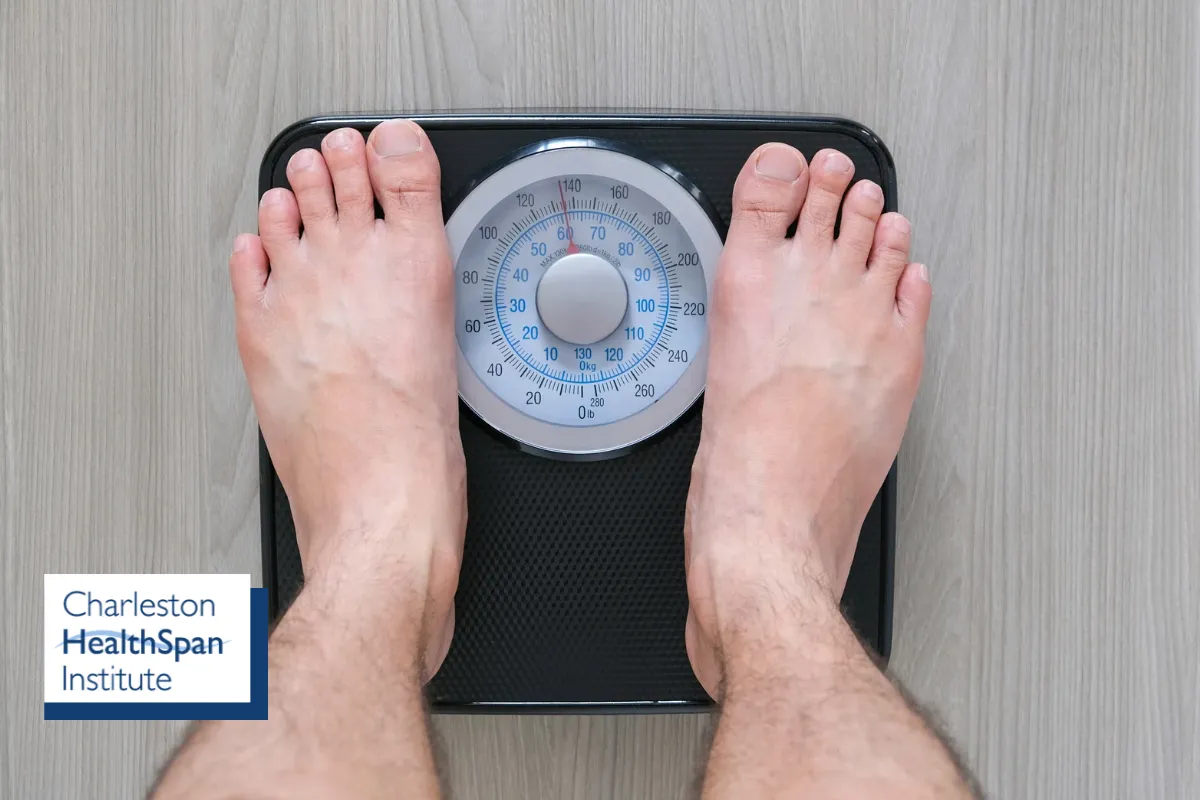
Obesity is a chronic condition, and when medications are stopped abruptly without lifestyle support, weight regain is common. Research shows that patients using semaglutide regained two-thirds of lost weight within a year of stopping treatment. Hunger signals and food noise often increase after discontinuation, especially if new eating and physical activity patterns were never fully established.
Some patients may need long-term or intermittent medication use, similar to treatment for high blood pressure or high cholesterol, always under physician supervision. A thoughtful taper plan from a weight loss management specialist reinforces strength training, nutrition coaching, and strategies to manage cravings. Patients who maintain healthy habits after stopping medication may avoid weight regain and preserve the healthy lifestyle changes they built during treatment.
The decision to continue, taper, or stop is individualized based on health status, side effects, and patient goals, and should be revisited periodically with your prescribing doctor.
Weight Loss Doctor in Charleston, SC – Charleston Healthspan Institute

At Charleston Healthspan Institute, we provide physician-supervised medical weight loss programs that combine prescription medications, healthy eating guidance, and lifestyle coaching rather than relying on drugs alone. We carefully evaluate hormones, consider peptide therapy when appropriate, and customize each weight loss program to our patients’ health history, metabolism, and schedule.
Our practice in Charleston, South Carolina also serves the surrounding areas. We believe in treating the whole person, not just prescribing a pill. We offer ongoing medical guidance, body composition tracking, and hormone evaluation to support your metabolic health at every stage.
If you have been searching for a weight loss doctor who takes a personalized, science-based approach, we are here for you. Call us at (843) 375-6588 or fill out our online contact form to schedule a consultation and discuss your options in a judgment-free setting. Our goal is long-term healthspan: better energy, stronger metabolism, and lasting confidence.
Frequently Asked Questions
Can I Start Weight Loss Medication if My Diet Is Still Inconsistent?
Yes, most physicians will start you on medication even if your diet is not perfect. The whole point of treatment is to give you a biological advantage while you work on building better patterns. Many patients find that once the medication reduces cravings and hunger, it becomes easier to make healthier choices naturally. Your physician will likely recommend gradual dietary improvements rather than demanding perfection on day one. What matters most is that you are honest about your current eating habits so your provider can tailor your plan. This is not about judgment; it is about giving you the right combination of medical guidance and practical support from the start.
How Do Weight Loss Medications Affect Muscle Mass?
All weight loss, whether from medication or diet alone, involves some degree of muscle mass loss alongside fat. Studies suggest that lean mass loss can account for roughly 25 percent of total weight lost with potent GLP-1 agents, particularly when patients are not eating enough protein or doing resistance exercise. This is why physicians recommend consuming 1.2 to 1.6 grams of protein per kilogram of ideal body weight daily and incorporating strength training. Without these measures, you may lose weight on the scale but end up with a weaker, less metabolically active body. Protecting muscle should be a priority throughout treatment, and your physician can help you structure a plan that supports body composition goals.
Are There Age Limits for GLP-1 Medications?
Specific FDA-approved GLP-1 and dual GIP/GLP-1 medications for chronic weight management are indicated for adults aged 18 and older with a BMI of 30 or greater, or 27 or greater with at least one weight-related medical condition. Certain GLP-1 formulations are also FDA-approved for adolescents aged 12 and older with obesity (defined as a BMI at or above the 95th percentile for age and sex). For older adults, the benefits of weight loss must be weighed against the risk of muscle and bone loss, which becomes more significant with age. Your healthcare provider will assess your complete health profile, including bone density and functional status, before recommending any prescription weight loss drugs. Always discuss your specific situation with a licensed clinician in Charleston for personalized advice.
Can I Drink Alcohol While on Weight Loss Medications?
Alcohol is not strictly prohibited with most weight loss medications, but it can complicate treatment in several ways. GLP-1 medications slow gastric emptying, which means alcohol may hit your system faster and harder than expected. Drinking adds empty calories that undermine a caloric deficit, and alcohol can worsen gastrointestinal side effects like nausea. For patients on medications that affect mood or the central nervous system, alcohol may amplify drowsiness or other reactions. Most physicians advise limiting alcohol intake and being cautious, especially in the early weeks of treatment. If you drink regularly, discuss this honestly with your provider so they can factor it into your overall weight management plan.
How Much Do Weight Loss Medications Cost, and Does Insurance Help?
Out-of-pocket costs vary widely depending on the class of medication. Generic oral weight loss medications (such as phentermine) often cost under $50 per month, whereas brand-name GLP-1 and dual GIP/GLP-1 injections carry retail list prices of roughly $900 to $1,350 per month without insurance (though manufacturer direct-pay savings programs may lower monthly cash prices). Over multiple years, ongoing brand-name therapy can represent a substantial financial commitment. Insurance coverage depends heavily on your specific plan, formulary, and documented medical diagnoses. Ask your provider’s office to verify benefits before starting treatment, and explore manufacturer savings cards or alternative FDA-approved options if coverage is denied. Ask your clinic to verify benefits before starting treatment, and explore manufacturer savings programs or pharmacy discount options that may reduce your out-of-pocket expense.
Disclaimer
This article provides general educational information about weight loss medications and lifestyle changes relevant to Charleston, South Carolina, and does not constitute individualized medical advice, diagnosis, or treatment. Always consult a licensed South Carolina clinician before starting, changing, or stopping any medication. If you experience severe abdominal pain, signs of a severe allergic reaction, or a medical emergency, seek immediate emergency medical care.
Read Can Peptides Regulate Fat-Storage Hormones? What a Weight Loss Doctor in Charleston, SC Says