How a Weight Loss Doctor in Charleston, SC Uses Peptides to Tackle Insulin Resistance

A weight loss doctor in Charleston, SC sees a recurring pattern: patients eat well, exercise consistently, and still carry stubborn belly fat that refuses to budge. The root cause, more often than not, is insulin resistance. Cells stop responding efficiently to insulin, blood sugar creeps up, energy crashes after meals, and fat storage shifts to the abdomen. Left unchecked, this metabolic dysfunction opens the door to type 2 diabetes, cardiovascular disease, and fatty liver disease. The good news is that insulin resistance can be relieved through lifestyle adjustments and peptide treatment. FDA-approved GLP-1 medications, along with select growth hormone-related peptides, are now being integrated into medical weight loss programs to address the hormonal drivers of stalled progress, not as a shortcut, but as one component of a personalized plan.
Key Takeaways
- GLP-1 receptor agonists (semaglutide, tirzepatide, liraglutide) are the most evidence-backed peptides for reducing insulin resistance, with clinical trials showing 10-20% body weight reduction and measurable improvements in fasting insulin, HOMA-IR, and blood glucose levels.
- Peptide therapy delivers the strongest results when layered into a structured weight loss program that includes nutrition, resistance training, sleep, and stress support.
- A comprehensive metabolic evaluation is crucial before initiating peptide therapy; labs like fasting insulin, HOMA-IR, HbA1c, and a lipid panel catch insulin resistance before diabetes develops.
- Hormone optimization, including bioidentical hormone therapy and thyroid management, can further improve insulin sensitivity and body composition in eligible patients.
- All peptides prescribed in South Carolina must come through licensed prescribers and regulated pharmacies; unregulated “research peptides” carry real safety and legal risks.
Insulin Resistance 101: Why It Sabotages Weight Loss and Energy
Insulin resistance occurs when cells in your liver, muscle, and fat tissue lose sensitivity to insulin’s signal. Normally, insulin unlocks glucose uptake into cells for energy. When that lock jams, the pancreas compensates by producing more insulin. Blood sugar stays “normal” for a while, but the body compensates at a steep metabolic cost: increased fat storage, chronic low-grade inflammation, and accelerated visceral fat accumulation.
Common early red flags include:
- Fatigue after meals and strong sugar cravings
- Weight gain around the waist, a hallmark sign of insulin resistance
- Fasting glucose levels between 100 and 125 mg/dL, which indicate pre-diabetes
- Rising triglycerides and falling HDL on a lipid panel
- Higher blood pressure or cholesterol levels, both of which can signal insulin resistance
- Dark patches of skin, known as acanthosis nigricans, on the neck, armpits, or groin
- Mildly elevated liver enzymes pointing toward early fatty liver
Insulin resistance can lead to higher fasting glucose levels over time. Many people in Charleston discover these patterns during an evaluation for a medical weight loss service, well before a diabetes diagnosis. Because insulin resistance is the central driver of metabolic syndrome and related chronic disease, catching it early creates the widest window for reversing the damage.
How Insulin Resistance Is Measured in a Metabolic Weight Loss Clinic
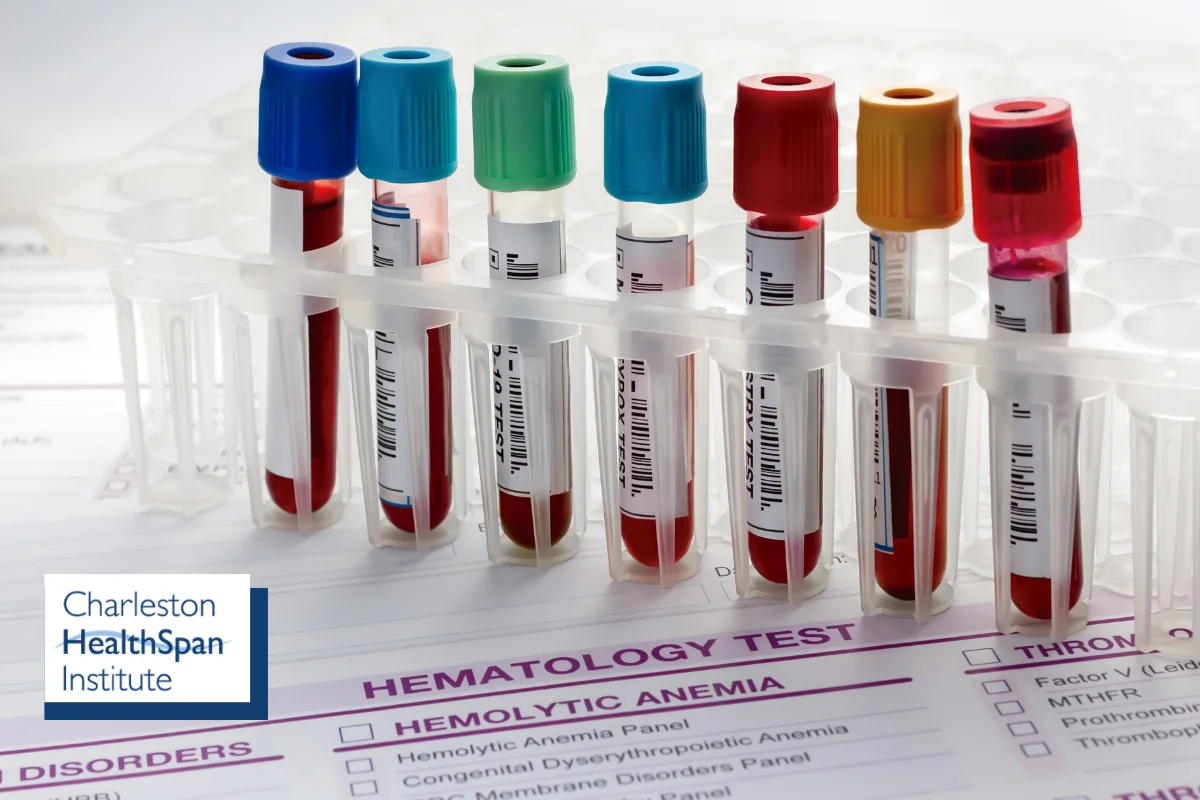
Responsible weight loss management always starts with lab work, not just a number on the scale. A weight loss clinic focused on metabolic health will order baseline labs that reveal what is happening beneath the surface.
Key labs include:
- Fasting glucose and fasting insulin
- HbA1c (below 5.7% is normal; 5.7-6.4% signals prediabetes)
- HOMA-IR, calculated as fasting glucose (mg/dL) multiplied by fasting insulin (µU/mL), divided by 405
- A lipid panel (triglycerides, HDL, LDL particle size)
- Liver enzymes (ALT, AST) to screen for fatty liver
- High-sensitivity CRP for inflammation
- Fasting C-peptide when insulin production needs clarification
A HOMA-IR score above roughly 2.0 to 2.5 generally suggests insulin resistance, although cutoffs vary by lab and population. The critical advantage of testing fasting insulin and HOMA-IR is that both become abnormal before blood sugar rises, creating time for intervention while beta cell function is still intact. A comprehensive metabolic evaluation is crucial before initiating peptide therapy because these numbers guide which medications are appropriate, which should be avoided, and how progress will be tracked at 3- to 6-month intervals.
Where Peptides Fit: Targeting Insulin Resistance Through Cellular Signaling
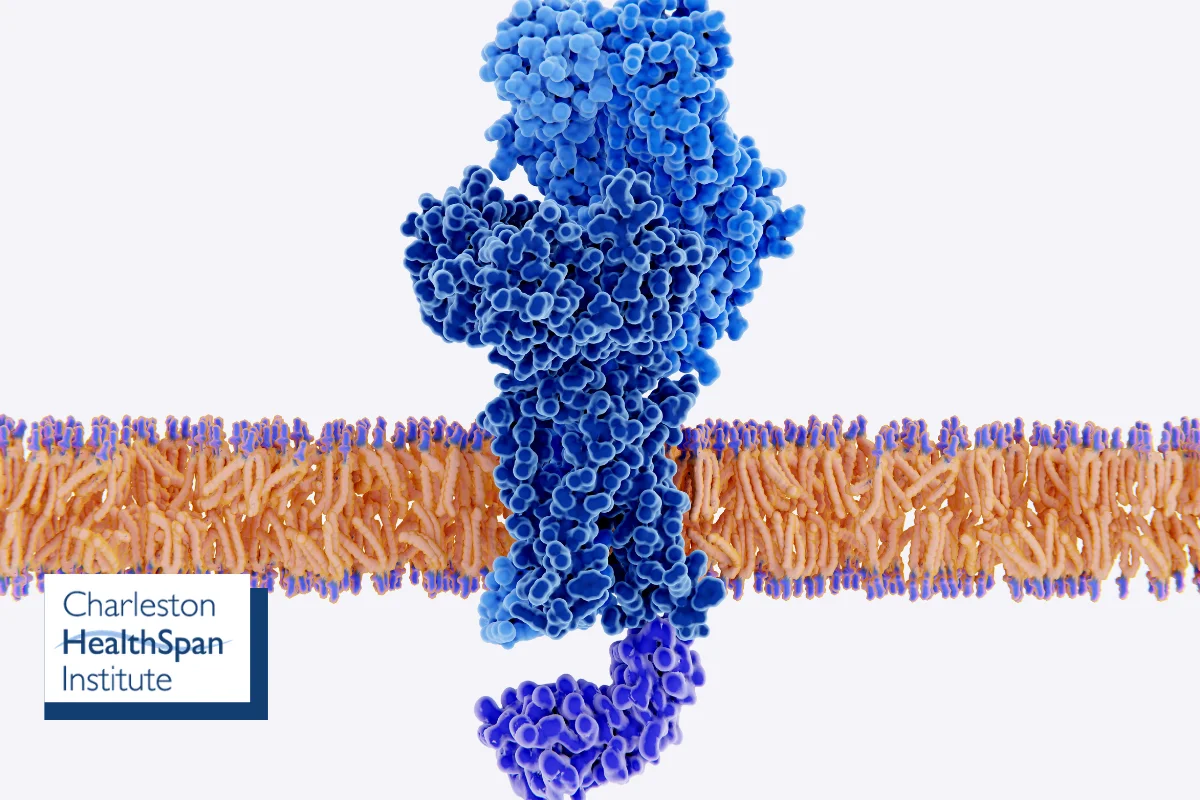
Peptides are short chains of amino acids that act as cellular messengers, influencing metabolism, appetite hormones, glucose disposal, and hormone balance throughout the body. In a clinical setting, peptide therapy is used as an adjunct to lifestyle change, not a replacement for nutrition and movement.
The main goals peptides can support:
- Better blood sugar control and improved glucose metabolism
- Enhanced insulin sensitivity and reduced fasting insulin levels
- Reduced visceral fat and lipid accumulation
- Appetite regulation through gut hormones
- Preservation of muscle mass during weight loss
Specific therapeutic and bioactive peptides improve insulin sensitivity through distinct pathways. Certain food-derived peptides can stimulate the insulin-independent AMPK pathway, adding another layer of metabolic benefit beyond the insulin receptor itself. Peptides can improve insulin sensitivity and stabilize glucose levels when prescribed and monitored correctly.
FDA-approved GLP-1 medications have established evidence for improving insulin sensitivity and weight management. Unregulated “research peptides” sold online with labels like “not for human consumption” are illegal for clinical use in South Carolina, may contain contaminants or inaccurate dosing, and should be avoided entirely.
GLP-1 Receptor Agonists: The Strongest Peptide Option for Insulin Resistance

GLP-1, or glucagon-like peptide-1, is a gut hormone released after eating. It increases insulin release in a glucose-dependent manner, suppresses glucagon, slows gastric emptying, and sends satiety signals to the brain. GLP-1 receptor agonists (semaglutide, liraglutide, and the dual GIP/GLP-1 agonist tirzepatide) extend and amplify these effects by resisting breakdown from the enzyme DPP-4.
GLP-1 receptor agonists stimulate glucose-dependent insulin secretion and reduce insulin resistance through several mechanisms:
- Lowering fasting insulin and reducing hepatic gluconeogenesis (the liver’s glucose production)
- Shrinking visceral adipose tissue, which drives systemic inflammation
- Moderating post-meal blood glucose spikes
- Improving appetite control by acting on central satiety pathways
GLP-1 medications can reduce body weight by 10-20%. In clinical trials, semaglutide users experienced a 14.9% mean body weight reduction over 68 weeks. Semaglutide also reduces HOMA-IR beyond what weight loss alone explains, meaning it directly improves how cells respond to insulin. Tirzepatide users achieved up to 20.9% mean body weight reduction in trials, making it the most potent approved option for losing weight while reversing metabolic dysfunction. In a separate trial studying liraglutide in adults with prediabetes, 66.2% of liraglutide users reverted to normoglycemia.
Targeting both GIP and GLP-1 receptors enhances fat metabolism and insulin sensitivity beyond what either pathway achieves alone. Dual GIP/GLP-1 receptor agonists can lead to substantial weight loss and improved blood sugar control, which is why tirzepatide has attracted attention from both endocrinologists and weight loss physicians.
GLP-1 medications improve blood sugar regulation and help with weight management, but they carry side effects. Common ones include nausea, vomiting, and constipation. Rare risks involve gallbladder disease and pancreatitis. These medications are contraindicated in patients with a personal or family history of medullary thyroid carcinoma or MEN2 syndrome. Medical supervision helps manage side effects associated with GLP-1 medications and ensures dosing is appropriate for each patient’s medical history.
Weight loss medications can improve insulin sensitivity and appetite control, but they are prescribed through a physician-directed weight loss service, not dispensed as casual cosmetic tools.
Read Appetite & Hormones: How Peptides Work According to a Weight Loss Doctor in Charleston, SC
Beyond GLP-1: Other Peptides That May Influence Insulin Sensitivity

GLP-1 medications are the most established option, but other prescription peptides may indirectly support metabolic health when clinically appropriate.
Tesamorelin, a growth hormone-releasing hormone analogue approved by the FDA for HIV-associated lipodystrophy, reduces visceral fat in that approved population. A meta-analysis found it decreased visceral adipose tissue by roughly 27.71 cm² compared to placebo, with additional reductions in hepatic fat and improvements in triglycerides. In non-HIV obese adults with reduced growth hormone secretion, a 6-month trial showed a treatment effect of approximately 35 cm² less visceral fat versus placebo.
Growth hormone secretagogues like sermorelin or CJC-1295 can help preserve lean muscle and support fat loss, which in turn may improve body composition and metabolic rate. However, growth hormone pathways can raise blood glucose if doses are not carefully managed. These require specialist supervision with regular monitoring of glucose levels and IGF-1.
Effective peptide protocols help preserve lean muscle during weight loss, a factor that protects resting metabolic rate and long-term glucose disposal capacity.
Emerging mitochondrial peptides, including MOTS-c and humanin, show preclinical promise. MOTS-c improves insulin sensitivity in laboratory studies by enhancing mitochondrial function and reducing oxidative stress. Human data remains limited, and these agents should not replace evidence-based diabetes or prediabetes care.
Combining Peptides With Nutrition and Movement for Lasting Results

No peptide replaces the metabolic benefits of consistent nutrition, activity, sleep, and stress management. Even patients on GLP-1 therapy or other peptides need lifestyle foundations to sustain their results after treatment ends.
Preferred nutrition strategies include:
- Adequate protein intake (typically 0.7-1 g per pound of body weight) to support maintaining muscle during calorie restriction
- High-fiber vegetables and low-glycemic carbohydrates to reduce post-meal blood sugar spikes
- Healthy fats from olive oil, nuts, and fatty fish
- Limiting ultra-processed foods and sugary drinks, which drive lipid accumulation in the liver
Sustainable nutrition changes can improve insulin sensitivity over months, and lifestyle changes can lower fasting glucose and A1C over time.
Resistance training is one of the most effective tools for improving glucose uptake because it increases muscle mass, the body’s largest glucose sink, and enhances GLUT4-mediated glucose transport. Post-meal walking for 10-20 minutes also smooths blood glucose curves and complements GLP-1 or other peptide therapy.
Weight reduction can decrease excess body fat associated with metabolic dysfunction. Lowering visceral fat directly reduces systemic inflammation and improves peripheral insulin sensitivity. Sleep quality and stress reduction matter just as much; poor sleep raises cortisol, and chronic stress accelerates visceral fat storage. Many structured medical weight loss programs now coach these habits explicitly.
When Hormone Optimization Matters for Insulin Resistance

Sex hormones, thyroid hormone, and cortisol each influence body composition, appetite hormones, and how cells respond to insulin. A hormone therapy clinic evaluating patients with stubborn insulin resistance will typically assess:
- Thyroid function (TSH, free T3, free T4)
- Sex hormones (estrogen, progesterone, testosterone, DHEA-S)
- Cortisol rhythm (morning cortisol, sometimes a 4-point salivary curve)
Perimenopause, menopause, and low testosterone in men worsen visceral fat deposition, sleep quality, and blood sugar control. These hormone imbalances slow metabolic rate and make sustainable weight loss harder to achieve. Correcting them with bioidentical hormone therapy or closely monitored hormone replacement therapy, under a licensed clinician who follows South Carolina regulations, can reduce fat storage, improve sexual health, support immune function, and restore energy.
Hormone optimization is not a quick weight loss solution. It supports a plan that includes nutrition, activity, caloric intake management, and, when indicated, peptide therapy.
Designing a Personalized Peptide-Inclusive Weight Loss Program

Effective weight loss management in insulin resistant patients is personalized. A one-size-fits-all protocol ignores the differences in blood glucose levels, hormone balance, body composition, and medical history that determine what will work.
The typical process in a weight loss clinic includes:
- Detailed medical history, family history review, and medication reconciliation
- Physical exam with waist circumference and body composition analysis
- Advanced labs: fasting glucose, insulin, HbA1c, HOMA-IR, lipid panel, liver enzymes, thyroid, sex hormones
- Selection of the right approach: GLP-1 medications, other peptide therapies, hormone optimization, or non-peptide strategies based on the full picture
Combination therapies often outperform single interventions. A GLP-1 receptor agonist paired with lifestyle coaching and, where appropriate, hormone optimization addresses appetite, glucose metabolism, visceral fat, and lean muscle preservation simultaneously. Follow-up intervals of 3-6 months allow the physician to recheck labs, adjust doses, track inflammatory markers, address side effects, and support behavior change.
A qualified medical provider will also set clear stopping criteria and transition plans so patients know what to expect if goals are met or if side effects arise.
Risks, Safety, and the Problem With Unregulated Peptides
Peptide therapy holds real promise, but safety and legality must come first.
Risks of improperly sourced products include:
- Inaccurate dosing that could cause hypoglycemia or glucose spikes
- Contamination with bacteria, endotoxins, or unknown substances
- Mislabeled amino acid sequences or concentrations
- Lack of sterility, especially dangerous with injectable products
In Charleston and throughout South Carolina, prescription medications and compounded peptides must be obtained through licensed prescribers and regulated pharmacies. State law requires that practitioners operate within their scope under the South Carolina Board of Medical Examiners. “Research-use only” peptides sold online fall outside this framework and expose both providers and patients to legal and health risks.
Unsupervised use is particularly dangerous for people with diabetes, prediabetes, or cardiovascular disease. Combining small molecule drugs like sulfonylureas with GLP-1 medications without proper monitoring increases hypoglycemia risk. Poorly dosed growth hormone secretagogues can worsen insulin levels and blood pressure.
Before starting, ask about your provider’s credentials, their compounding pharmacy partners, monitoring protocols, and what conditions would trigger a dose change or discontinuation.
Weight Loss Doctor in Charleston, SC – Charleston Healthspan Institute
At Charleston Healthspan Institute, we help patients overcome insulin resistance and achieve lasting weight control through physician-supervised metabolic care. Our weight loss doctor integrates peptide therapy, GLP-1 medications, and hormone optimization into individualized programs built around each patient’s labs, body composition, and goals. We provide advanced metabolic testing, ongoing coaching for nutrition, movement, and lifestyle habits, and close monitoring at every stage. Whether you are exploring peptide therapy for the first time or looking for a more structured weight loss management approach, we are here to guide you. We serve Charleston, South Carolina and surrounding areas. Call us at (843) 375-6588 or fill out our contact form to schedule your consultation today.
Frequently Asked Questions
Can peptide therapy improve insulin resistance if my blood sugar is still “normal” on lab tests?
Yes. Insulin resistance often develops years before fasting glucose or HbA1c cross into abnormal ranges. Markers like fasting insulin and HOMA-IR can reveal early metabolic dysfunction while standard blood sugar readings still look fine. A HOMA-IR score above 2.0, rising triglycerides, or expanding waist circumference may prompt a clinician to consider GLP-1 medications or other peptides in high-risk patients with strong family history or elevated visceral fat. Treatment decisions depend on a full clinical evaluation, not a single lab number, and should follow established guidelines and South Carolina prescribing regulations. Consult a licensed clinician in Charleston for a personalized assessment.
How long do people typically stay on GLP-1 medications for insulin resistance?
Duration varies by patient. Some use GLP-1 receptor agonists for 6-12 months to reach specific weight and metabolic goals, then transition to maintenance through lifestyle strategies alone. Others benefit from longer-term use when cardiovascular risk, ongoing insulin resistance, or a high likelihood of weight regain justify continued therapy. Insulin resistance is a chronic metabolic process, so stopping medications too soon without solid nutritional and exercise foundations in place often leads to weight gain and rising blood sugar. A physician will periodically reassess benefits, side effects, HOMA-IR, HbA1c, and fasting insulin to decide whether to continue, lower the dose, or shift to a different approach.
Can I exercise intensely while using peptide therapy for insulin resistance?
Most patients can and should remain physically active while on GLP-1 or other peptides. Resistance training and moderate cardio both amplify the insulin-sensitizing effects of these medications by increasing muscle mass and glucose uptake. That said, intensity may need adjustment during the first few weeks of treatment because appetite changes, reduced caloric intake, or GI side effects can temporarily lower energy. Work with your clinician to time injections and meals around workouts to minimize nausea, and stay hydrated. As your body adapts to the medication, most patients resume or increase their training intensity without issues.
Are peptide therapies for insulin resistance covered by insurance?
Coverage varies by plan, indication, and specific medication. GLP-1 receptor agonists are more likely to be covered when prescribed for type 2 diabetes and, in some cases, for obesity when BMI and comorbidity criteria are met. Many insurers require prior authorization, step therapy (trying less expensive options first), or documentation of failed lifestyle interventions. Contact your insurance provider directly to confirm benefits, preferred medications, and copay amounts. Some clinics offer self-pay pricing and can help patients apply for manufacturer copay assistance programs when available. Tesamorelin and compounded peptides generally have more limited insurance coverage, so cost should be discussed upfront during your consultation.
What should I ask my doctor before starting any peptide for insulin resistance?
Practical questions to bring to your appointment include: What specific benefits do you expect from this peptide based on my lab results? How will success be measured, and how often will we recheck labs? What side effects should I watch for, and when should I contact you? Will this peptide interact with any prescription medications I currently take? What baseline and follow-up labs are planned? Ask how peptide therapy fits into an overall plan that includes diet, movement, sleep, and, if relevant, hormone optimization. Make sure you also understand stopping criteria and what the next step looks like if goals are not met or side effects become problematic.
Disclaimer: This article provides general education only and does not replace individualized medical advice. Consult a licensed South Carolina healthcare provider before starting or changing any peptide, hormone, or weight loss therapy.