Do You Really Need Medication to Lose Weight?
A weight loss doctor hears this question more than almost any other: do I actually need medication, or can I do this on my own? If you have tried calorie counting, gym memberships, and trending diets only to hit a frustrating plateau or watch the scale creep back up, you are not alone. Confusing headlines about GLP-1 injections and new prescription pills make the decision even harder. Here is the truth: many people can lose weight without drugs. But obesity is recognized as a complex, chronic physiological condition, and some health histories, hormone imbalances, or degrees of severe obesity make a medical weight loss program the safer and more effective path. A physician in Charleston will always start with lifestyle, then layer in evidence-based medication or hormone therapy only when it genuinely adds benefit. This article breaks down exactly how that decision gets made at a reputable weight loss clinic.
Key Takeaways
- Medication is not strictly necessary for everyone seeking weight loss, and many individuals achieve meaningful results through lifestyle changes alone.
- FDA-approved medications work best when combined with healthy eating, physical activity, and behavioral changes within a structured weight management program.
- A qualified weight loss doctor in Charleston, SC will review your health history, endocrine function, and current medications before recommending any prescription therapy.
- Options range from lifestyle-only plans to FDA-approved weight loss medications or bariatric surgery referrals when clinically appropriate.
- Even modest weight loss of 5% to 10% of starting body weight can significantly improve blood sugar, blood pressure, and overall health.
When Lifestyle Alone Is Enough to Lose Weight

Many adults can lose 5% to 10% of their body weight through structured lifestyle changes without prescription medication. The key word is structured. Unguided dieting rarely produces lasting results, but a deliberate approach that combines calorie awareness, healthy eating patterns, and gradually increased physical activity can deliver real change.
Here is what realistic timelines look like for most people in a well-designed program:
- 3 months: approximately 2% to 5% of starting body weight
- 6 months: approximately 5% to 8% for those who stay consistent
- 12 months: up to 8% to 10% for high-adherence participants, after which maintaining losses becomes the primary goal
A medically supervised weight loss service adds professional monitoring even for patients who prefer a non-pharmacologic plan. Sleep quality, stress management, and addressing emotional eating patterns can dramatically improve outcomes. Exercise habits do not need to be extreme; building toward 150 minutes per week of moderate activity is a solid, evidence-backed target. A healthy diet rich in lean protein, vegetables, and fiber – while reducing ultra-processed foods – forms the nutritional foundation.
When a Medical Weight Loss Program Should Be on Your Radar

Medical weight loss programs go beyond generic diet advice. They are physician-directed care models that may include nutrition planning, behavior change strategies, lab work, body composition tracking, and targeted medication when clinically indicated.
Obesity affects more than 4 in 10 adults in the United States, and many of those individuals have weight-related health conditions that make self-guided efforts insufficient. Clinical guidelines recommend considering pharmacotherapy for adults who meet these thresholds:
- A BMI of 30 or higher, even without comorbidities
- A BMI of 27 or higher with weight-related health conditions such as type 2 diabetes, high blood pressure, sleep apnea, or fatty liver disease
Weight loss medications may help those who have been unsuccessful with diet and exercise alone. Local guidelines emphasize that medications serve as catalysts for behavioral change, not replacements for it. In Charleston, these programs must follow South Carolina medical standards, including thorough health history review and informed consent before any treatment begins. Ongoing support visits, weight trends, and lab data remain critical regardless of whether medication is prescribed.
How a Weight Loss Doctor Reviews Your Health History Before Prescribing Anything
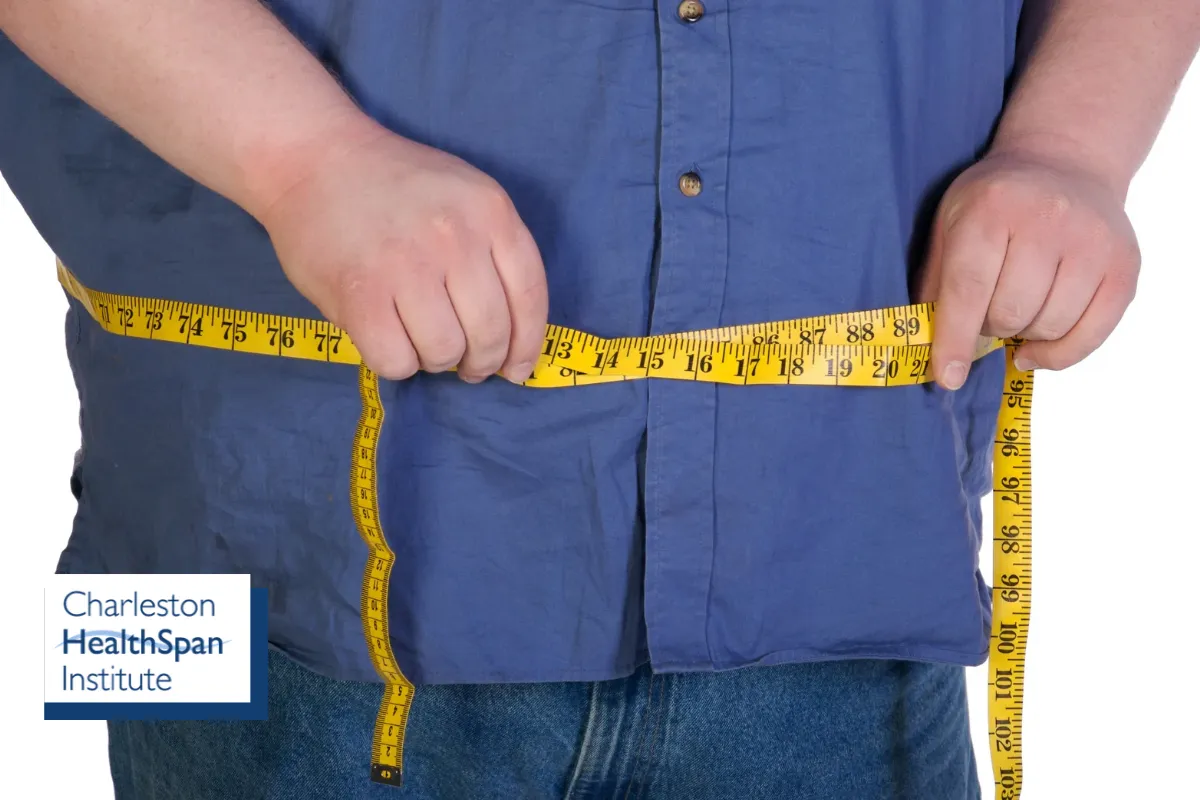
No reputable weight loss clinic should prescribe medication without a detailed health history and physical exam. Weight loss doctors review medical history before creating any treatment plan, and this process protects patients from unsafe prescriptions while tailoring obesity treatment to individual risk factors.
Key areas of the health history include:
- Prior diet attempts and weight loss efforts, including the highest lifetime weight
- Exercise tolerance and current activity level
- Pregnancy history and gestational weight gain
- Family history of heart disease, diabetes, or thyroid disorders
- Current medications such as antidepressants, steroids, or insulin, which are reviewed to identify potential drug interactions with weight loss drugs
Mental health screening is part of the process as well. Conditions like depression, binge eating, or substance use history matter because some medications can influence mood. Bupropion-naltrexone, for instance, carries warnings about suicidal thoughts in certain populations. Comprehensive evaluations identify root causes of weight gain, and pharmacotherapy decisions should be personalized based on metabolic health and medical history.
Medical Evaluation: Labs, Exams, and Risk Checks That Guide Treatment
Medical weight loss is more than a number on the scale. It relies on objective testing to build a safe, individualized treatment plan. Health evaluations for weight management include blood work and metabolic assessments that paint a complete picture of what is happening inside the body.
Standard measurements and labs typically include:
- Body mass index, waist circumference, blood pressure, and heart rate
- Body composition analysis (body fat versus muscle mass) where available
- Fasting glucose or HbA1c to assess blood sugar regulation
- Lipid panel for cholesterol and triglycerides
- Liver enzymes (ALT/AST) to screen for fatty liver
- Kidney function markers (BUN/creatinine), relevant to digestive and kidney diseases screening
- Thyroid studies (TSH, T4) to rule out thyroid-driven weight gain
These results help determine whether medication, a bariatric surgery referral, or intensive lifestyle therapy alone is the safest first step. Regular follow-ups update medical history during weight loss, tracking improvements like lower blood pressure, better cholesterol, and reduced need for other prescription drugs.
Read How Does a Charleston Weight Loss Doctor Adjust Medication Doses?
Where Hormones, HRT, and Peptide Therapy Fit Into Weight Loss Care

Hormonal shifts during perimenopause, low testosterone in men, or undiagnosed thyroid dysfunction are common contributors to stubborn weight gain and fatigue. When patients report that they exercise, eat well, and still cannot lose weight, a hormone therapy clinic evaluation can uncover the missing piece.
A physician may assess thyroid hormones, reproductive hormones, and adrenal function when clinically appropriate. If clear endocrine deficiencies and symptoms are documented—such as hypothyroidism, clinically diagnosed hypogonadism, or symptomatic menopause—FDA-approved hormone replacement therapy (HRT) may be considered under South Carolina medical standards. This requires informed consent, regular lab monitoring, and ongoing risk-benefit evaluation.
In evidence-based weight management, peptide-based medications refer to FDA-approved GLP-1 and dual GIP/GLP-1 receptor agonists used under physician supervision as an adjunct to lifestyle changes, not as a stand-alone solution. Unregulated or research-grade peptides sold online without FDA approval or clinical oversight lack established safety and efficacy data and should be avoided. Any hormone or prescription therapy included in a customized plan requires thorough documentation, monitoring, and follow-up.
Overview of FDA-Approved Prescription Weight Loss Medications

The FDA has approved six primary prescription medications for general chronic weight management in adults, alongside short-term sympathomimetic agents (such as phentermine monotherapy). These prescription medications are considered when lifestyle changes alone do not achieve sufficient weight loss to improve metabolic health. The main long-term medications include:
- Orlistat (lipase inhibitor that reduces dietary fat absorption)
- Bupropion-naltrexone (appetite and craving regulation)
- Liraglutide (GLP-1 receptor agonist)
- Semaglutide (GLP-1 receptor agonist)
- Tirzepatide (dual GIP/GLP-1 receptor agonist)
- Phentermine-topiramate (appetite suppressant combination)
Short-term options like phentermine monotherapy also exist for eligible patients. Each weight loss medicine works differently – some medications target biological pathways that regulate hunger and energy expenditure, others slow digestion, and one reduces fat absorption. Weight management medications can help reduce appetite or fat absorption depending on the agent selected.
These are not shortcuts. Medications are not a shortcut to losing weight but a medical tool that works best with lifestyle changes. Effective weight management requires ongoing medical supervision and support, and no prescription weight loss medication should be sourced online without a licensed clinician.
Spotlight on GLP-1 and GIP Medications (Semaglutide and Tirzepatide)
GLP-1 and GIP receptor agonists help regulate appetite and lower food cravings by mimicking natural gut hormones that signal fullness to the brain. These agents have transformed chronic weight management over the past few years.
Specific FDA-approved formulations of semaglutide and tirzepatide are indicated for chronic weight management (while other formulations of these same active ingredients are approved specifically for type 2 diabetes). Administered as once-weekly subcutaneous injections, semaglutide demonstrated approximately 12% to 13% placebo-subtracted weight loss (roughly 15% total average weight loss) over 68 weeks in adults without diabetes in Phase 3 trials. Tirzepatide, a dual GIP/GLP-1 receptor agonist, demonstrated average total weight reductions of roughly 15% to 21% over 72 weeks depending on maintenance dose in Phase 3 trials.
Common side effects include nausea, vomiting, diarrhea, constipation, and abdominal pain, particularly during dose escalation. Gradual dose titration and dietary adjustments help many patients manage these effects within a few weeks. These medications carry an FDA Boxed Warning and are strictly contraindicated in patients with a personal or family history of medullary thyroid carcinoma (MTC) or multiple endocrine neoplasia syndrome type 2 (MEN 2), and require careful evaluation in patients with a history of pancreatitis, gallbladder disease, or severe gastroparesis.
Understanding Other Common Weight Loss Drugs

Not everyone is a candidate for GLP-1 therapies. Oral options or alternative mechanisms may suit some patients better based on their health history and preferences.
Orlistat blocks roughly 30% of dietary fat absorption at prescription strength (120 mg) and about 25% at over-the-counter strength (60 mg). It requires a reduced-calorie, low-fat diet to minimize gastrointestinal side effects such as gas, oily spotting, and urgent bowel movements, alongside a daily multivitamin to support fat-soluble vitamin absorption. It typically produces modest weight loss but can suit patients seeking a non-systemic option.
Bupropion-naltrexone targets appetite and reward pathways in the brain. Because it can raise blood pressure and heart rate, cardiovascular monitoring is essential, and it is contraindicated in patients with uncontrolled hypertension, seizure disorders, or chronic opioid use.
Phentermine-topiramate is an appetite suppressant combination that requires regular blood pressure and heart rate monitoring. Because topiramate carries a high risk of fetal harm (oral clefts), this medication is strictly contraindicated in pregnancy—requiring a negative pregnancy test prior to starting, monthly testing during therapy, and consistent contraception for patients of childbearing potential—as well as in patients with glaucoma or hyperthyroidism.
Common side effects of liraglutide include nausea and vomiting, similar to other GLP-1 agents. Serious side effects can occur but are rare with most medications when properly monitored. Every medication choice is individualized based on a thorough risk-benefit discussion.
When Bariatric Surgery or Non-Surgical Procedures Enter the Conversation
Metabolic and bariatric surgery is generally considered for patients with severe obesity or significant obesity-related disease when non-surgical interventions have not achieved sufficient results. Current surgical society guidelines recommend evaluating surgery for individuals with a BMI of 35 or higher regardless of comorbidities, or a BMI of 30 to 34.9 with metabolic disease such as type 2 diabetes, though many insurance plans still apply traditional thresholds of a BMI of 40 or higher, or 35 or higher with serious weight-related conditions.
A medical weight loss doctor helps determine whether to continue pharmacotherapy, intensify lifestyle care, or refer for surgical evaluation. Some patients use weight loss medication before bariatric surgery to reduce perioperative risk, while others use medication afterward to manage weight recurrence. Average excess weight loss after surgery typically ranges from 50% to 70% depending on the procedure. In Charleston, referrals and care coordination follow South Carolina standard-of-care practices, and major medical organizations—including the American Medical Association and national surgical societies—recognize metabolic surgery as an evidence-based treatment for eligible patients.
Building a Sustainable Plan: Healthy Eating, Activity, and Ongoing Support
No pill or injection replaces the need for healthy eating and regular movement. A well-structured weight loss plan includes balanced meals with lean protein, vegetables, healthy fats, and fiber while limiting sugary drinks, ultra-processed snacks, and excessive portions. A healthy diet does not mean deprivation – it means building healthy habits that last.
Physical activity should progress toward at least 150 minutes per week of moderate exercise, adjusted to fitness level and any joint pain or medical limitations. Working with exercise physiologists or trained coaches can make this transition safer and more sustainable.
Ongoing support is what separates short-term results from long term success. Follow-up visits, coaching, digital tracking tools, and community resources help maintain weight loss. A weight loss management plan adapts over time, potentially tapering medication when appropriate and reinforcing behavioral strategies. Stopping medication abruptly can lead to weight regain, so any changes should be made gradually under physician guidance. Weight loss medications can provide benefits such as reduced cravings and improved metabolic health, but those benefits depend on continued lifestyle effort.
How Much Weight Can You Expect to Lose With and Without Medication?
Results vary, and no ethical clinician can guarantee specific numbers. But evidence-based ranges can help set realistic weight loss goals.
With lifestyle changes alone, many patients lose 5% to 10% of their starting body weight within one year when they adhere to a structured program. That may not sound dramatic, but even this modest loss can improve blood sugar, blood pressure, cholesterol, joint pain, and sleep apnea symptoms.
When prescription medications are added, adults taking weight loss medications lose 3% to 12% more body weight beyond what lifestyle changes produce. Patients can lose up to 15% of body weight in one year with the most effective agents. Over 50% of participants in major clinical trials lose 10% or more of their weight with newer medications like semaglutide or tirzepatide.
How much weight you ultimately lose depends on the medication selected, adherence, overall health, and the quality of your treatment plan. Long term success hinges on maintaining healthy habits after reaching your weight loss goals, whether or not medication is continued.
Weight Loss Doctor in Charleston, SC – Charleston Healthspan Institute

At Charleston Healthspan Institute, we believe every patient deserves a weight loss plan built around their unique body, goals, and medical history. Our weight loss doctor creates personalized programs that may include nutrition coaching, structured physical activity, peptide therapy, or carefully selected prescription medication. We evaluate hormones and offer bioidentical hormone support when clinically appropriate, always following South Carolina safety and monitoring standards. Our approach to weight loss management combines science, compassion, and one on one consultation to help you achieve sustainable results.
- We serve Charleston, South Carolina and surrounding areas
- Comprehensive lab work, metabolic assessments, and body composition analysis included
- Ongoing support and follow-up visits to track your progress and adjust your plan
- Call us at (843) 375-6588 or fill out our contact form to schedule your consultation today
Frequently Asked Questions
What happens if I stop taking weight loss medication?
Stopping weight loss medication can lead to weight regain because the biological pathways that were being managed – appetite regulation, metabolic rate, hormonal signaling – return to their previous state. Research shows that many patients regain a portion of lost weight within the first year after discontinuation. This is not a failure of willpower; it reflects the chronic nature of obesity as a medical condition. A physician can help you taper medication gradually, strengthen lifestyle strategies before stopping, and monitor your progress afterward to catch early regain and intervene. The goal is always to transition toward the lowest effective dose or medication-free maintenance when possible.
Is long-term use of GLP-1 medications safe?
Current evidence supports the safety of GLP-1 receptor agonists like semaglutide for extended use, though long-term data beyond four to five years is still accumulating. Specific formulations of these agents are FDA-approved for chronic weight management, meaning they were evaluated as long-term therapies for a chronic condition. Ongoing clinical monitoring for gastrointestinal side effects, gallbladder disease, kidney function, and pancreatic symptoms is recommended. Regulatory agencies have also evaluated rare post-marketing reports of vision changes, including non-arteritic anterior ischemic optic neuropathy (NAION) and worsening diabetic retinopathy in patients with preexisting diabetes, so any sudden change in vision should be evaluated promptly. Your physician should conduct regular lab work and symptom reviews at each follow-up. Patients with a lower dose tolerance can often maintain benefits with less medication over time.
Does insurance cover weight loss medication in South Carolina?
Coverage varies significantly by plan. Coverage varies significantly by plan. Some employer-sponsored plans and Medicare Part D/Advantage plans cover specific FDA-approved GLP-1 medications when prescribed for documented comorbidities such as type 2 diabetes or established cardiovascular disease, though many plans still exclude medications prescribed solely for weight loss. Similarly, South Carolina Medicaid (Healthy Connections) covers nutritional and behavioral counseling programs but excludes medications prescribed strictly for weight management, covering eligible GLP-1 agents only for approved indications such as type 2 diabetes or cardiovascular risk reduction with prior authorization. Contact your insurer directly with the specific medication name and diagnosis codes to confirm coverage. Your best step is to contact your insurance provider directly with the specific drug name and your diagnosis codes. Many clinics, including medical weight loss practices, also offer cash-pay pricing or manufacturer savings programs for eligible patients.
Can I combine multiple weight loss medications at once?
Combining weight loss drugs is generally not standard practice unless specifically studied and approved. Most FDA approved agents are evaluated individually, and layering medications increases the risk of side effects and unpredictable drug interactions. However, some physicians may use complementary approaches – for example, pairing a GLP-1 agonist with a lower dose of another agent – under careful supervision with documented clinical rationale and informed consent. This decision depends on your specific health conditions, previous medication responses, and treatment goals. Self-prescribing combinations or adding supplements without physician knowledge is unsafe and strongly discouraged.
Should I see a weight loss doctor if I only need to lose a small amount of weight?
You do not need to have severe obesity to benefit from professional guidance. If you carry excess weight that is contributing to early metabolic changes, joint discomfort, or declining energy, a physician can help identify whether lifestyle adjustments alone will be effective or whether underlying factors like thyroid dysfunction or hormonal shifts are slowing progress. Even patients who do not qualify for prescription medication by BMI criteria benefit from structured accountability, nutritional education, and evidence-based coaching. Think of it as preventive care—addressing an upward weight gain pattern early is far easier than reversing established metabolic health challenges later.
Disclaimer
This article is for educational purposes only and does not constitute personal medical advice, diagnosis, or treatment. Consult a licensed clinician in Charleston, South Carolina for individualized medical decisions regarding weight management or any health condition. If you experience severe abdominal pain, sudden vision changes, signs of an allergic reaction, or a medical emergency, seek immediate emergency medical care.
Read Do Medications Work Without Diet Changes? Advice From a Charleston Weight Loss Doctor