Searching for a Hormone Therapy Clinic Near Me in Charleston, SC often begins with frustration. You feel exhausted no matter how much you sleep. Your motivation drops. Your workouts no longer deliver results. Intimacy changes, your mood shifts, and brain fog creeps into daily life. At first, you may blame stress or aging. But as weeks turn into months, you start wondering if something deeper is going on.
Many men silently struggle with symptoms linked to hormonal imbalance, especially declining testosterone levels. The good news? Modern hormone therapy services offer safe, medically supervised solutions. With proper lab testing and guidance from a qualified hormone doctor, men in Charleston can regain energy, confidence, and vitality.
When “I’m Just Tired” Means Something More
Fatigue is one of the most common reasons men begin searching online for a hormone therapy clinic near me. It often starts subtly. You feel drained after work. Weekends become recovery periods instead of active time with family.
But hormone-related fatigue feels different from ordinary tiredness. It may include:
- Persistent low energy despite adequate sleep
- Reduced stamina during exercise
- Afternoon crashes
- Lack of motivation
- Mental sluggishness
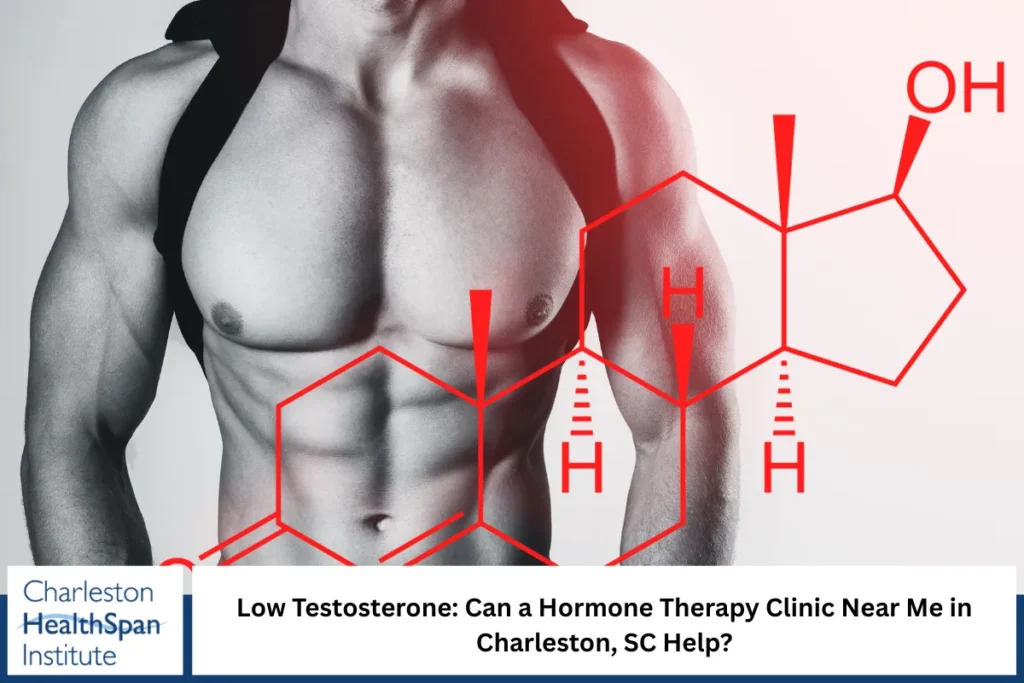
Testosterone plays a major role in energy production, red blood cell formation, and muscle maintenance. When levels drop below normal ranges, the body simply cannot perform at its usual capacity.
A hormone therapy specialist evaluates symptoms alongside comprehensive bloodwork. Total testosterone, free testosterone, estradiol, thyroid markers, and metabolic panels are often reviewed before developing a treatment plan.
The Hidden Impact of Low Testosterone in Men

Testosterone naturally declines with age, typically about 1% per year after age 30. However, modern lifestyle factors can accelerate this decline. Chronic stress, obesity, poor sleep, environmental toxins, and certain medications all influence hormonal balance.
Physical Changes Men Notice First
Many men begin searching for a hormone clinic after seeing physical shifts they cannot explain.
Common physical symptoms include:
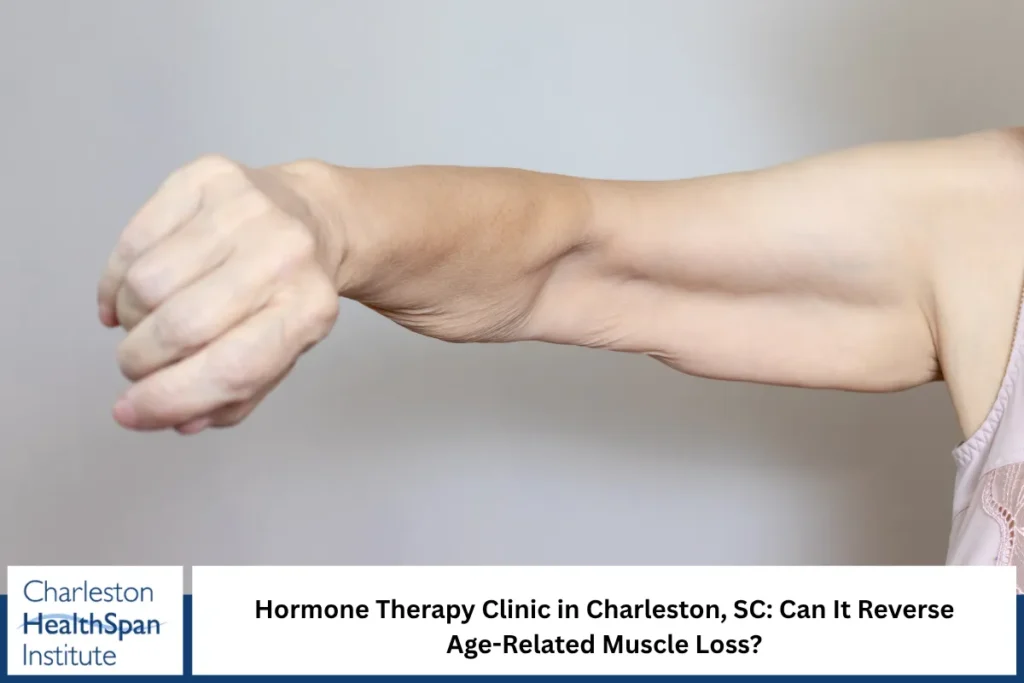
- Loss of muscle mass
- Increased body fat, especially around the abdomen
- Decreased strength
- Slower workout recovery
- Reduced bone density
- Thinning body hair
These changes can affect confidence and overall health. Over time, untreated low testosterone may also increase risk factors associated with metabolic syndrome.
Sexual Health Concerns
Changes in libido or erectile function are powerful motivators for seeking medical help. Many men hesitate to discuss these symptoms, but they are among the most treatable.
Hormonal imbalance can contribute to:
- Lower sex drive
- Fewer spontaneous erections
- Difficulty maintaining erections
- Reduced sexual satisfaction
A qualified hormone doctor evaluates both hormonal and cardiovascular factors before recommending therapy. Testosterone therapy is not a universal solution; proper screening is critical.
Mood Swings, Irritability, and Brain Fog
Hormones influence more than muscles and libido. They also regulate mood, focus, and emotional resilience.
Men experiencing low testosterone frequently report:
- Irritability
- Increased anxiety
- Depressive symptoms
- Difficulty concentrating
- Forgetfulness
Because these symptoms overlap with mental health conditions, thorough evaluation is essential. A hormone therapy specialist may collaborate with primary care providers or mental health professionals to ensure comprehensive care.
When hormone levels are optimized under medical supervision, many men experience clearer thinking, improved confidence, and emotional stability.
Why Charleston Men Search for a Hormone Therapy Clinic Near You

Charleston’s active coastal lifestyle encourages fitness, boating, golfing, and year-round outdoor activity. When energy and performance decline, the contrast becomes noticeable.
Men often type phrases like “hormone therapy clinic near me” or “hormone therapy clinic near you” because they want:
- Convenient local access
- Personalized treatment
- Ongoing lab monitoring
- In-person consultations
- Medical oversight rather than online-only services
Telehealth options exist, but many patients prefer working with a local hormone clinic where they can build trust and receive individualized care.
What Causes Hormonal Imbalance Beyond Aging?
Declining testosterone is common, but not always inevitable at severe levels. Several contributing factors can disrupt hormonal health.
Chronic Stress and Cortisol
Long-term stress elevates cortisol. High cortisol suppresses testosterone production. Men with demanding careers or high-pressure lifestyles may unknowingly sabotage their hormone levels.
Poor Sleep Quality
Testosterone is primarily produced during deep sleep. Sleep apnea, insomnia, and irregular schedules significantly impact production.
Excess Body Fat
Adipose tissue converts testosterone into estrogen through a process called aromatization. The more body fat present, the greater the hormonal imbalance risk.
Medications and Medical Conditions
Certain drugs and health issues can lower testosterone levels, including:
- Opioid use
- Type 2 diabetes
- Thyroid disorders
- Pituitary gland abnormalities
A hormone therapy specialist conducts a thorough health history before recommending any treatment.
Read Low Testosterone: Can a Hormone Therapy Clinic Near Me in Charleston, SC Help?
How a Hormone Doctor Evaluates Your Symptoms
Not every man who feels tired has low testosterone. Proper evaluation prevents unnecessary treatment and ensures safety.
Step 1: Comprehensive Medical Consultation
A detailed discussion covers:
- Symptom history
- Sexual health
- Exercise habits
- Nutrition
- Sleep quality
- Medical conditions
- Medication use
Step 2: Laboratory Testing
Morning blood tests typically measure:
- Total testosterone
- Free testosterone
- Sex hormone-binding globulin (SHBG)
- Estradiol
- Complete blood count
- PSA (prostate-specific antigen)
- Thyroid function
Testing follows clinical guidelines to confirm deficiency before therapy begins.
Step 3: Personalized Treatment Plan
If clinically low testosterone is confirmed, treatment options may include:
- Testosterone injections
- Topical gels or creams
- Pellets
- Lifestyle modification strategies
Regular follow-up testing ensures levels remain within safe physiological ranges.
Safety and Regulation of Hormone Therapy in South Carolina

Hormone therapy in South Carolina must be prescribed and monitored by a licensed medical provider. Testosterone is classified as a controlled substance under federal law, meaning:
- A valid medical diagnosis is required
- Prescriptions must follow strict documentation standards
- Ongoing monitoring is mandatory
- Refills are regulated
Responsible hormone therapy services include regular lab checks, dosage adjustments, and screening for side effects such as elevated red blood cell count or prostate changes.
Patients should avoid clinics offering hormone treatment without lab confirmation or medical supervision.
Risks of Ignoring Hormonal Symptoms
Untreated hormonal imbalance may contribute to long-term health consequences, including:
- Decreased bone density and fracture risk
- Worsening insulin resistance
- Increased abdominal obesity
- Cardiovascular strain
- Reduced quality of life
While testosterone therapy is not appropriate for every man, ignoring persistent symptoms can lead to avoidable complications.
Men who consistently search for a hormone therapy clinic near me are often looking for clarity. Even if treatment is not required, evaluation provides peace of mind.
Beyond Testosterone: Other Hormones That Matter
Testosterone receives most attention, but overall hormonal health involves multiple systems.
Thyroid Hormones
Low thyroid function can mimic low testosterone symptoms, including fatigue and weight gain.
DHEA
This adrenal hormone influences energy and mood.
Estrogen Balance
Men produce estrogen in small amounts. Imbalances can cause mood shifts and physical changes.
A reputable hormone clinic evaluates the full picture rather than focusing on a single lab value.
Lifestyle Strategies That Support Hormonal Health
Medical therapy works best when combined with foundational health practices.
Men can improve hormone balance by:
- Strength training 3–4 times weekly
- Prioritizing 7–8 hours of sleep
- Reducing processed sugars
- Maintaining healthy body weight
- Managing stress through mindfulness or outdoor activity
- Limiting excessive alcohol intake
A hormone therapy specialist often incorporates these strategies into a comprehensive care plan.
Warning Signs That Should Prompt Immediate Evaluation
While gradual symptoms are common, certain signs require prompt medical attention:
- Sudden severe fatigue
- Breast tissue enlargement
- Testicular pain
- Rapid muscle loss
- Significant mood changes
These may signal underlying endocrine or metabolic conditions that require medical diagnosis.
Reclaiming Vitality Through Expert-Guided Care
Men do not search for a hormone therapy clinic near you out of curiosity. They search because something feels off.
Whether it is decreased strength, fading confidence, or persistent exhaustion, these symptoms deserve medical evaluation. When addressed responsibly and under proper supervision, hormone therapy services can help restore balance, improve quality of life, and support long-term health.
Taking action early prevents prolonged frustration and unnecessary decline.
Hormone Therapy Clinic Near Me in Charleston, SC – Charleston Healthspan Institute

At Charleston Healthspan Institute, we understand why men search for a hormone therapy clinic near me. They are tired of feeling unlike themselves. They want answers, not guesswork. We provide comprehensive hormone therapy services in Charleston, South Carolina, serving surrounding communities with personalized care and close medical supervision.
Our experienced hormone doctor conducts thorough lab testing, evaluates your symptoms carefully, and creates a customized treatment plan designed around your health goals. We monitor your progress with regular follow-ups to ensure safety and effectiveness. If you have been searching for a trusted hormone clinic that prioritizes precision and long-term wellness, we are here to help.
Call us today at (843) 375-6588 or fill out our contact form to schedule your consultation and take the first step toward feeling like yourself again.
Frequently Asked Questions
1. How long does it take to see results from testosterone therapy?
Most men begin noticing improvements in energy and mood within three to six weeks. Libido changes may appear sooner, while muscle mass and body composition improvements typically take several months. Bone density benefits can take a year or more. Every individual responds differently based on age, baseline levels, and overall health. Regular monitoring ensures your hormone therapy services are optimized safely. It is important to follow your provider’s instructions closely and attend all follow-up appointments to track lab values and adjust dosage if necessary.
2. Can younger men experience low testosterone?
Yes. While testosterone naturally declines with age, younger men can also develop low levels due to obesity, chronic stress, sleep disorders, anabolic steroid use, or pituitary dysfunction. Symptoms in younger patients often include fatigue, low motivation, reduced athletic performance, and sexual health concerns. A hormone therapy specialist conducts appropriate testing before making any diagnosis. Treatment for younger men may focus more heavily on lifestyle correction before considering medication, depending on the cause of the deficiency.
3. Is testosterone therapy safe for long-term use?
When prescribed and monitored by a qualified hormone doctor, testosterone therapy can be safe for long-term use. Ongoing bloodwork is essential to evaluate red blood cell count, prostate markers, cholesterol, and hormone levels. Therapy must remain within physiological ranges to minimize risks. Patients with certain conditions, such as prostate cancer or uncontrolled heart disease, may not be candidates. Regular evaluations ensure that benefits outweigh potential risks throughout treatment.
4. Will hormone therapy affect fertility?
Yes, testosterone therapy can reduce sperm production because it suppresses natural hormone signaling from the brain to the testes. Men who plan to have children should discuss fertility goals before beginning treatment. In some cases, alternative therapies that stimulate natural testosterone production may be recommended instead. A thorough consultation helps determine the most appropriate approach based on family planning considerations.
5. Do insurance plans typically cover hormone therapy?
Coverage varies widely. Some insurance providers cover evaluation and lab testing but may not cover certain forms of testosterone therapy. Others may require documented laboratory confirmation of deficiency. Patients should verify benefits directly with their insurance carrier. Even if coverage is limited, many clinics offer structured payment options. Transparency about cost and expectations is an important part of choosing the right hormone clinic.
Disclaimer: This article is for informational purposes only and does not constitute medical advice. Hormone therapy should only be initiated after evaluation by a licensed medical provider. Individual results vary, and treatment must comply with state and federal regulations. Always consult a qualified healthcare professional regarding your specific medical concerns.
Read Peptide Therapy in Charleston, SC: How Long Have Peptides Been Used in Hormone Research?