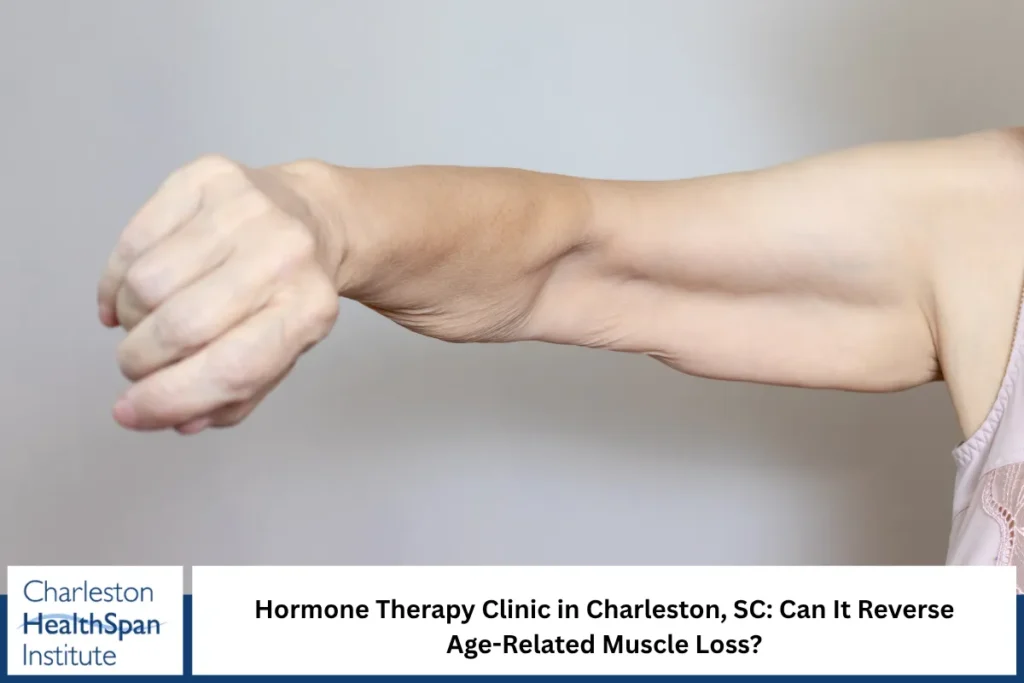
Why Muscle Loss Speeds Up After 40—and What You Can Do About It
Hormone Therapy Clinic in Charleston, SC is a phrase many people search when they begin noticing unexplained muscle loss, fatigue, and declining strength. As we age, losing muscle isn’t just frustrating—it can impact mobility, metabolism, and overall quality of life. You might feel weaker despite exercising or notice slower recovery after workouts. This can be discouraging and even alarming. The good news is that modern hormone replacement therapy offers a potential solution. By restoring hormonal balance, many individuals are able to regain strength, improve energy levels, and slow or even reverse age-related muscle loss in a medically supervised, safe way.
The Science Behind Age-Related Muscle Loss
Age-related muscle loss, also known as sarcopenia, typically begins as early as your 30s and accelerates after 40. By the time people reach their 60s and 70s, muscle mass can decrease significantly if not actively managed.
What Causes Muscle Loss?
Several biological changes contribute to this condition:
- Decline in testosterone (in men)
- Decrease in estrogen (in women)
- Reduced human growth hormone (HGH)
- Lower protein synthesis efficiency
- Increased inflammation
Hormones play a critical role in maintaining muscle mass. When levels drop, your body struggles to build and preserve lean tissue—even if you maintain a healthy lifestyle.
Why It Matters More Than You Think
Muscle loss isn’t just about appearance. It can lead to:
- Reduced mobility and balance
- Higher risk of falls and injury
- Slower metabolism and weight gain
- Decreased insulin sensitivity
- Lower energy levels
This is why many individuals begin exploring a hormone therapy clinic as part of a comprehensive health strategy.
How Hormones Influence Muscle Growth and Repair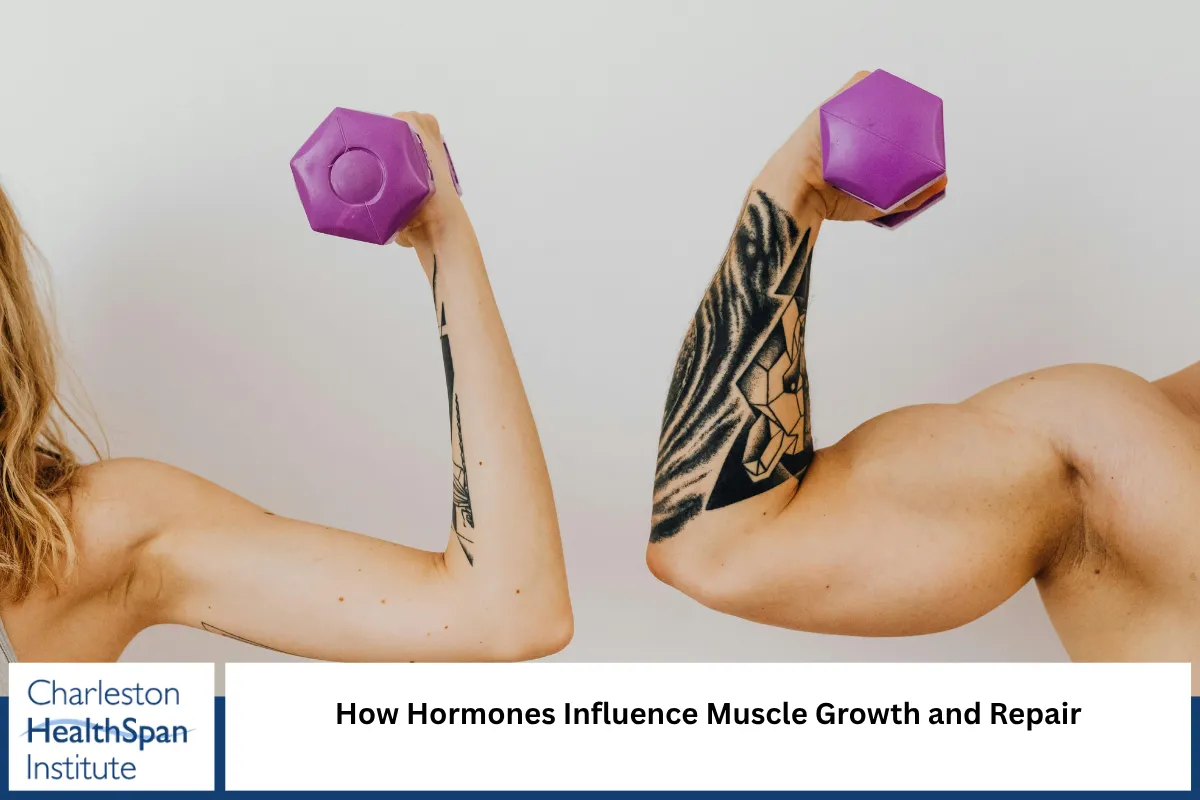
Hormones act as chemical messengers that regulate nearly every bodily function, including muscle development and recovery.
Testosterone and Muscle Strength
Testosterone is one of the most important hormones for muscle growth. It:
- Stimulates protein synthesis
- Increases muscle fiber size
- Enhances strength and endurance
When testosterone levels decline, muscle-building capacity drops significantly.
Estrogen’s Role in Muscle Health
While often associated with reproductive health, estrogen also:
- Supports muscle repair
- Reduces inflammation
- Helps maintain connective tissue strength
Women experiencing menopause often notice a sharp decline in muscle tone and strength.
Growth Hormone and Recovery
Growth hormone contributes to:
- Tissue repair
- Fat metabolism
- Muscle regeneration
Lower levels can result in slower recovery and reduced physical performance.
Can Hormone Replacement Therapy Restore Muscle Mass?
Hormone replacement therapy (HRT) is designed to restore optimal hormone levels in the body. When done under medical supervision, it can be a powerful tool for addressing age-related muscle loss.
What the Research Suggests
Clinical studies have shown that HRT can:
- Increase lean muscle mass
- Improve strength and endurance
- Reduce body fat percentage
- Enhance exercise performance
Bioidentical hormone therapy, in particular, is gaining attention because it uses compounds structurally identical to those produced by the body.
What to Expect From Treatment
A hormone doctor typically starts with:
- Comprehensive lab testing
- Symptom evaluation
- Customized treatment plan
Treatment may include:
- Testosterone therapy
- Estrogen or progesterone therapy
- Peptide therapy for recovery and repair
- Lifestyle recommendations such as diet and resistance training
Many patients report noticeable improvements within weeks to months.
Read Struggling with Low Energy? How a Hormone Therapy Clinic in Charleston, SC Can Help Men
What Makes Bioidentical Hormone Therapy Different?
Bioidentical hormone therapy is often preferred because it closely mimics the body’s natural hormones.
Benefits of Bioidentical Hormones
- Better compatibility with the body
- Fewer side effects for many patients
- More precise dosing
- Improved symptom control
This approach allows a hormone therapy clinic to tailor treatment specifically to each individual’s needs.
Who Is a Good Candidate for Hormone Therapy?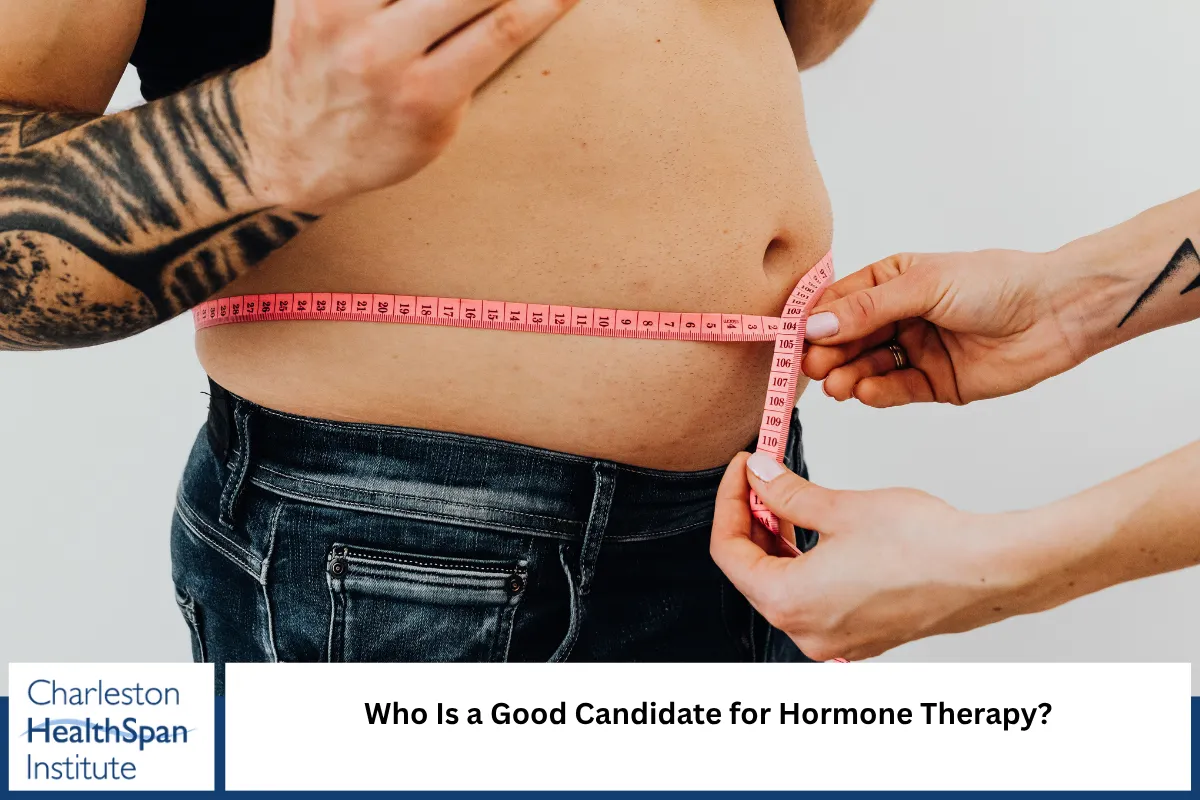
Not everyone experiencing muscle loss will need hormone therapy, but certain signs may indicate a hormonal imbalance.
Common Symptoms to Watch For
- Persistent fatigue
- Difficulty building or maintaining muscle
- Weight gain despite diet and exercise
- Low libido
- Mood changes
If you’ve been searching for solutions like “hormone therapy near me” or “hormone doctor for muscle loss,” it may be time to consider professional evaluation.
Age and Eligibility
While most patients are over 35, younger individuals with hormone deficiencies may also benefit. A qualified provider will determine suitability through testing and medical history.
The Role of Lifestyle Alongside Hormone Therapy
Hormone replacement therapy is most effective when combined with healthy lifestyle habits.
Nutrition Matters
A diet rich in:
- Lean protein
- Healthy fats
- Essential vitamins and minerals
supports muscle growth and hormonal balance.
Strength Training Is Essential
Resistance training helps:
- Stimulate muscle growth
- Improve bone density
- Enhance hormone responsiveness
Sleep and Recovery
Quality sleep is critical for hormone production and muscle repair. Without it, even the best treatment plan may fall short.
Safety and Regulations in Charleston, South Carolina
Hormone therapy clinics in Charleston, South Carolina must follow strict medical guidelines to ensure patient safety.
What Patients Should Know
- HRT must be prescribed by a licensed medical provider
- Regular monitoring and lab testing are required
- Compounded bioidentical hormones must meet pharmacy regulations
- Treatment plans must be individualized
Working with a reputable clinic ensures compliance with state laws and prioritizes patient safety.
Potential Risks and How They Are Managed
Like any medical treatment, hormone therapy carries potential risks. However, these are significantly reduced when treatment is properly managed.
Possible Side Effects
- Fluid retention
- Acne or skin changes
- Mood fluctuations
- Changes in cholesterol levels
How Clinics Minimize Risk
- Personalized dosing
- Routine lab monitoring
- Ongoing medical supervision
- Adjustments based on patient response
This is why choosing an experienced hormone doctor is essential.
Realistic Expectations: What Hormone Therapy Can and Cannot Do
Hormone therapy is not a magic solution, but it can be a powerful tool.
What It Can Do
- Improve muscle mass and strength
- Boost energy and recovery
- Enhance overall quality of life
What It Cannot Do
- Replace consistent exercise
- Work instantly without lifestyle support
- Stop aging completely
Patients who combine HRT with proper training and nutrition often see the best results.
A Smarter Approach to Aging and Strength
Aging doesn’t have to mean losing strength and vitality. With the right approach, many people are able to maintain—and even rebuild—muscle mass well into later years.
Exploring options like hormone replacement therapy can open the door to improved physical performance, better health, and renewed confidence. The key is working with a qualified provider who understands how to safely optimize hormones for long-term success.
Hormone Therapy Clinic in Charleston, SC – Charleston Healthspan Institute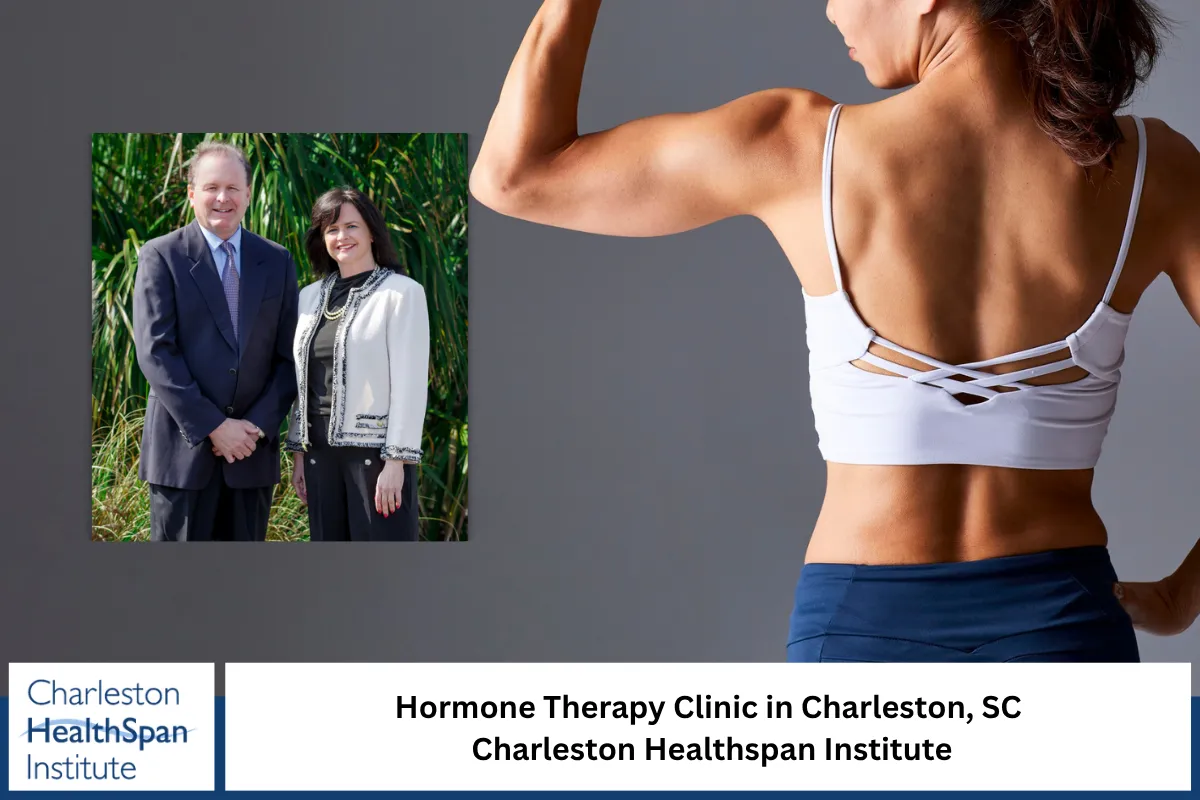
At Charleston Healthspan Institute, we specialize in helping patients regain strength, energy, and confidence through advanced hormone therapy solutions. As a trusted hormone therapy clinic in Charleston, SC, we provide personalized care tailored to your unique needs. Our experienced hormone doctors use comprehensive testing and bioidentical hormone therapy to restore balance safely and effectively.
We understand how frustrating muscle loss and fatigue can be, which is why we focus on real, measurable results. Whether you are exploring hormone replacement therapy for the first time or looking for a better solution, our team is here to guide you every step of the way. Call us today at (843) 375-6588 or fill out our contact form to start your journey toward better health.
Frequently Asked Questions
How long does it take to see muscle improvements with hormone therapy?
Most patients begin noticing subtle improvements in energy and recovery within a few weeks. However, visible muscle growth typically takes several months. This depends on factors like age, baseline hormone levels, and commitment to strength training. Hormone therapy enhances your body’s ability to build muscle, but it still requires consistent effort. Patients who combine treatment with resistance exercise and proper nutrition often see faster and more sustainable results. Regular follow-ups ensure your hormone levels stay optimized for continued progress.
Is hormone replacement therapy safe for long-term use?
When supervised by a qualified hormone doctor, hormone replacement therapy can be safe for long-term use. The key is individualized dosing and regular monitoring through lab work. Providers adjust treatment as your body responds, minimizing potential risks. Bioidentical hormone therapy is often preferred for its compatibility with the body. Patients should always follow medical guidance and attend routine check-ups. Safety depends heavily on choosing a reputable hormone therapy clinic that follows proper protocols and state regulations.
Can women benefit from hormone therapy for muscle loss?
Yes, women can significantly benefit from hormone therapy, especially during perimenopause and menopause. Declining estrogen levels contribute to muscle loss, fatigue, and weight gain. Hormone replacement therapy can help restore balance, improve muscle tone, and enhance overall well-being. Many women also report better mood, sleep, and energy levels. Treatment plans are carefully customized to ensure safety and effectiveness. Working with an experienced provider ensures that therapy addresses both hormonal and physical health needs.
Do I need to exercise while on hormone therapy?
Yes, exercise is essential for maximizing the benefits of hormone therapy. While HRT improves your body’s ability to build and maintain muscle, it does not replace physical activity. Strength training, in particular, plays a critical role in stimulating muscle growth. Without it, results may be limited. A balanced routine that includes resistance exercises, proper nutrition, and recovery will help you achieve the best outcomes. Hormone therapy works best as part of a comprehensive health plan.
How do I know if my muscle loss is hormone-related?
The only way to confirm if muscle loss is hormone-related is through medical evaluation and lab testing. Symptoms like fatigue, low libido, and difficulty building muscle may indicate hormonal imbalance. A hormone doctor will assess your medical history, lifestyle, and bloodwork to determine the cause. Many people assume aging alone is responsible, but hormonal decline is often a key factor. Early diagnosis allows for more effective treatment and better long-term results.
Disclaimer: This article is for informational purposes only and does not replace professional medical advice. Always consult a licensed healthcare provider before starting hormone therapy or any medical treatment.
Read Common Symptoms: Why Men Search for a Hormone Therapy Clinic Near Me in Charleston, SC