Hormone Therapy Clinic Near Me in Charleston, SC is often the exact phrase men type into Google when they start feeling unlike themselves. Maybe your energy is gone. Your workouts feel pointless. Your mood is unpredictable. You’re gaining weight even though your habits haven’t changed. Low testosterone can quietly disrupt your health, confidence, and relationships. The problem is that many men dismiss the signs as “just aging.” That delay can make symptoms worse and harder to manage. The good news? A qualified hormone clinic in Charleston can test, diagnose, and design a personalized treatment plan that restores balance and improves quality of life safely and legally.
Why Testosterone Matters More Than You Think

Testosterone is the primary male sex hormone, but its role extends far beyond libido. It supports:
- Muscle mass and strength
- Bone density
- Fat distribution
- Red blood cell production
- Mood stability
- Cognitive performance
- Energy levels
Levels naturally decline about 1% per year after age 30. However, some men experience a more significant drop due to medical conditions, stress, obesity, chronic illness, or medication side effects. When testosterone falls below healthy ranges, symptoms may become noticeable and disruptive.
Many people searching online for a hormone therapy clinic near me are not just looking for convenience. They’re looking for answers, clarity, and relief from symptoms that affect daily life.
Recognizing the Signs of Low Testosterone
Low testosterone, also called hypogonadism, does not always appear suddenly. Symptoms often develop gradually.
Physical Symptoms
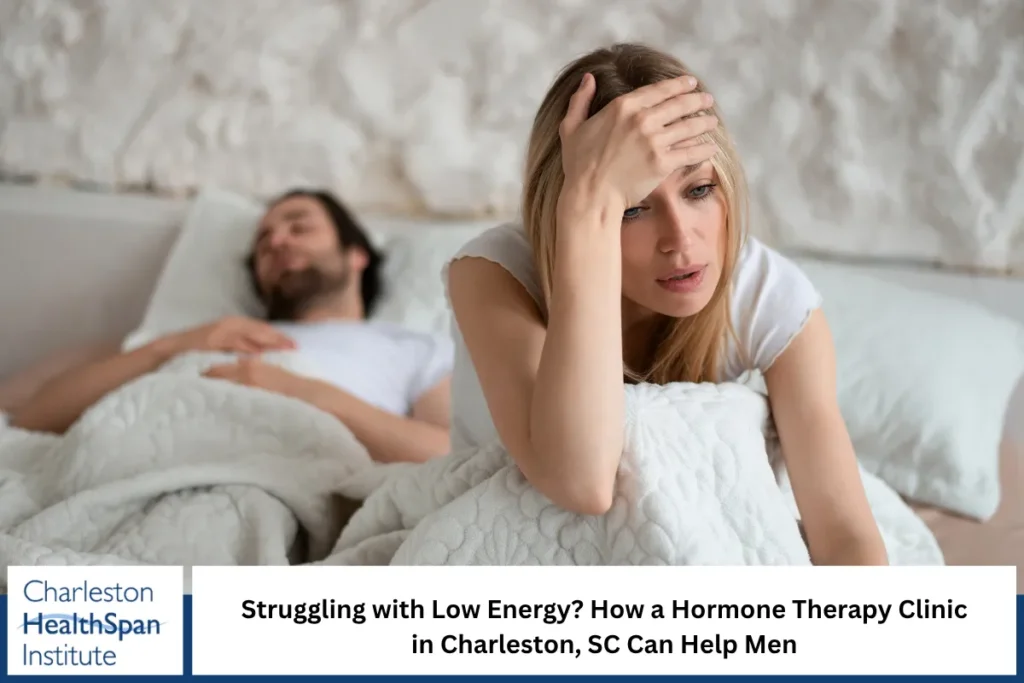
- Fatigue and low stamina
- Decreased muscle mass
- Increased body fat, especially abdominal
- Reduced body hair
- Erectile dysfunction
- Lowered libido
Emotional and Cognitive Symptoms
- Irritability
- Depression or low mood
- Brain fog
- Reduced motivation
- Difficulty concentrating
Some men also notice sleep disturbances or decreased overall resilience. These changes can impact work performance, family life, and personal confidence.
If these symptoms persist for several months, it may be time to consult a hormone doctor for evaluation.
How Low Testosterone Is Diagnosed in Charleston, SC
A reputable hormone therapy specialist will not prescribe treatment based on symptoms alone. Proper diagnosis requires:
- A detailed medical history
- Physical examination
- Blood testing, typically drawn in the morning when testosterone levels peak
- Repeat testing to confirm low levels
According to clinical guidelines, low testosterone is diagnosed when total testosterone levels fall below normal laboratory reference ranges and symptoms are present.
In South Carolina, testosterone therapy is regulated as a prescription medication. A licensed medical provider must evaluate and monitor patients carefully. Clinics must follow both federal and state medical regulations regarding controlled substances and hormone replacement therapy.
What Causes Testosterone Levels to Drop?

While aging is the most common factor, several medical and lifestyle issues can contribute:
- Type 2 diabetes
- Obesity
- Metabolic syndrome
- Sleep apnea
- Chronic stress
- Pituitary disorders
- Testicular injury
- Certain medications such as opioids or steroids
A thorough evaluation at a hormone clinic helps determine whether testosterone deficiency is primary (originating in the testes) or secondary (related to brain signaling from the pituitary gland).
Understanding the root cause is critical. A hormone therapy clinic near you should never offer a “one-size-fits-all” approach.
Treatment Options Available at a Hormone Clinic
Once diagnosed, treatment typically involves testosterone replacement therapy (TRT). The goal is to restore testosterone to optimal physiological levels—not exceed them.
Common forms include:
Injections
Administered weekly or biweekly under medical supervision. This method is widely used and cost-effective.
Topical Gels or Creams
Applied daily to the skin. Absorption varies, and precautions are necessary to prevent transfer to others.
Pellets
Small implants placed under the skin that release testosterone gradually over several months.
Patches
Less common but available for steady hormone delivery.
A hormone therapy specialist will discuss benefits, risks, convenience, and patient preferences before choosing a method.
Safety and Monitoring: What You Should Expect
Testosterone therapy is not a casual treatment. Responsible providers conduct ongoing monitoring to reduce risk and ensure effectiveness.
Monitoring may include:
- Regular blood tests
- Hematocrit levels (to check red blood cell count)
- Prostate-specific antigen (PSA) screening
- Liver function tests
- Symptom evaluation
Testosterone therapy can increase red blood cell production. If levels become too high, it may increase the risk of clotting complications. That is why medical supervision is essential.
When people search hormone therapy clinic near me, they should prioritize clinics that emphasize safety protocols and evidence-based care.
Read Common Symptoms: Why Men Search for a Hormone Therapy Clinic Near Me in Charleston, SC
Myths About Testosterone Therapy

Myth 1: It’s Only for Bodybuilders
Medically supervised testosterone therapy is not about performance enhancement. It’s about restoring normal levels for men with clinically diagnosed deficiency.
Myth 2: It Causes Prostate Cancer
Current research does not show that testosterone therapy causes prostate cancer. However, men with active prostate cancer are typically not candidates for treatment. Screening is standard before beginning therapy.
Myth 3: It Works Instantly
Some improvements, like energy and mood, may appear within weeks. Muscle mass and body composition changes take several months.
A hormone doctor will set realistic expectations based on individual health factors.
Benefits Many Men Experience
While results vary, properly managed therapy may lead to:
- Improved energy
- Better mood
- Increased muscle strength
- Enhanced sexual health
- Reduced body fat
- Greater mental clarity
Men often describe feeling “like themselves again.” However, therapy is most effective when combined with lifestyle improvements such as strength training, balanced nutrition, quality sleep, and stress management.
Is Testosterone Therapy Legal and Regulated in South Carolina?
Yes. Testosterone is classified as a Schedule III controlled substance under federal law. In South Carolina:
- It must be prescribed by a licensed medical provider.
- Clinics must comply with medical board regulations.
- Prescriptions cannot be issued without proper evaluation.
- Ongoing monitoring is required.
Any hormone therapy clinic near you that promises testosterone without lab work or medical consultation should raise concerns.
Patients should verify that their hormone therapy specialist is licensed and operating under state medical regulations.
Who Is Not a Candidate for Testosterone Therapy?
Not every man with low energy needs testosterone therapy. Treatment is not recommended for:
- Men with untreated prostate cancer
- Men with breast cancer
- Individuals with high hematocrit levels
- Severe untreated sleep apnea
- Those trying to preserve fertility (testosterone can reduce sperm production)
A thorough assessment ensures safe decision-making.
The Role of Lifestyle in Hormone Balance

Testosterone therapy is not a substitute for healthy living. In fact, some men can improve levels naturally through:
- Weight loss
- Resistance training
- Adequate sleep
- Reducing alcohol intake
- Managing stress
A reputable hormone clinic will discuss both medical and non-medical options.
Sometimes men searching for hormone therapy clinic near me are surprised to learn that small lifestyle adjustments may significantly improve hormone health.
Emotional Health and Low Testosterone
Low testosterone does not just affect physical performance. It can influence mental health.
Men may experience:
- Reduced confidence
- Irritability
- Decreased motivation
- Social withdrawal
Because emotional symptoms can overlap with depression, evaluation by a hormone doctor is important before assuming psychological causes alone.
Restoring hormonal balance may support overall emotional well-being when low testosterone is confirmed.
Choosing the Right Hormone Therapy Specialist in Charleston
Not all clinics provide the same level of care. When evaluating options, consider:
- Medical credentials and licensing
- On-site lab testing availability
- Individualized treatment plans
- Ongoing follow-up protocols
- Transparent pricing
- Clear communication
If you have been looking for a hormone therapy clinic near you, prioritize expertise and patient-centered care over quick solutions.
Long-Term Outlook: What Happens After Starting Therapy?
Testosterone replacement therapy is often a long-term commitment. Once the body becomes reliant on external testosterone, stopping therapy may cause levels to drop again.
Some men choose to continue therapy indefinitely under medical supervision. Others reassess periodically with their hormone therapy specialist.
Regular evaluations help determine whether dosage adjustments are necessary and ensure safety remains a priority.
A Final Word on Restoring Hormonal Balance
Low testosterone is not simply a normal part of aging that must be endured. When properly diagnosed and medically supervised, treatment can significantly improve quality of life. The key is seeking professional guidance rather than relying on online supplements or unregulated products.
If you are considering your options and have searched for a hormone therapy clinic near me, focus on licensed medical providers who prioritize safety, compliance, and personalized care. With the right approach, restoring hormone balance can help you regain energy, clarity, and confidence.
Hormone Therapy Clinic Near Me in Charleston, SC – Charleston Healthspan Institute

If you have been searching online for a hormone therapy clinic near me, we are here to help. At Charleston Healthspan Institute, we provide comprehensive hormone therapy services tailored to your health goals. Our experienced hormone doctor carefully evaluates symptoms, reviews lab results, and creates a personalized treatment plan designed for safety and long-term results.
We understand how frustrating low testosterone can feel. That’s why we focus on evidence-based care, consistent monitoring, and open communication. Whether you are experiencing fatigue, reduced strength, or changes in mood, our hormone therapy specialist will guide you through every step of the process.
We proudly serve Charleston, South Carolina and surrounding areas. Call us today at (843) 375-6588 or fill out our contact form to schedule your consultation. Let us help you restore balance and regain confidence.
Frequently Asked Questions
1. Can testosterone therapy improve cardiovascular health?
The relationship between testosterone therapy and heart health is complex. Some studies suggest that restoring low testosterone to normal levels may improve body composition and insulin sensitivity, which are beneficial for cardiovascular risk. However, excessive testosterone or improper monitoring can increase red blood cell counts and potentially raise clot risk. That’s why a hormone therapy specialist carefully evaluates cardiac history before starting treatment. Men with prior heart attacks or uncontrolled heart disease require individualized risk assessment. Ongoing lab monitoring is essential to ensure hematocrit levels remain safe throughout therapy.
2. Will insurance cover treatment at a hormone clinic?
Insurance coverage varies widely. Some plans cover diagnostic lab testing and medically necessary testosterone therapy when levels meet clinical guidelines. Others may limit coverage or require prior authorization. It depends on whether treatment meets documented medical criteria for hypogonadism. Many hormone therapy clinics offer transparent pricing or membership options for patients without coverage. Before starting therapy, it is wise to verify benefits directly with your insurance provider. A reputable clinic will help explain costs and provide documentation if needed.
3. Does testosterone therapy affect fertility?
Yes, testosterone replacement therapy can suppress natural sperm production. When external testosterone is introduced, the body reduces signals to the testes, lowering sperm count. Men who plan to have children should discuss alternatives with a hormone doctor before starting therapy. In some cases, medications such as clomiphene citrate or hCG may be considered to stimulate natural testosterone production while preserving fertility. A thorough reproductive discussion should always occur during consultation.
4. How soon should symptoms improve after starting therapy?
Response time varies. Some men notice improvements in mood and energy within three to six weeks. Libido may improve within several weeks, while muscle mass and fat reduction can take three to six months. Bone density improvements may take a year or more. Results depend on age, baseline levels, dosage accuracy, and adherence to treatment. Lifestyle habits also play a significant role in outcomes.
5. Can women receive hormone therapy at a hormone clinic?
Yes, some hormone clinics provide therapy for women experiencing hormone imbalances related to menopause or other medical conditions. However, treatment protocols differ significantly from male testosterone therapy. Women may receive estrogen, progesterone, or carefully dosed testosterone depending on symptoms and lab results. Proper medical evaluation is essential, as hormone therapy carries unique risks and benefits for women. Always consult a qualified provider trained in hormone management.
Disclaimer: This article is for informational purposes only and does not constitute medical advice. Hormone therapy should only be initiated and monitored by a licensed healthcare provider following proper evaluation and testing. Individual results vary. Always consult a qualified medical professional regarding diagnosis and treatment options.
Read Peptide Therapy in Charleston, SC: Are Hormone-related Peptides Bioidentical?