
Why Hormones May Be the Missing Link in Your Weight Loss Struggle
Charleston Weight Loss Doctor visits often begin with one frustrating question: “Why am I doing everything right but still not losing weight?” You may be eating less, exercising more, and following popular advice, yet the scale barely moves. That’s the problem many adults face when hormones are out of balance. It becomes even more discouraging when fatigue, cravings, or stubborn belly fat appear despite your best efforts. The solution isn’t extreme dieting or punishing workouts. A medically guided weight loss service that evaluates hormones, metabolism, and appetite regulation can uncover what’s really happening inside your body and create a plan that works with your biology, not against it.
The Hidden Role Hormones Play in Weight Gain and Weight Loss
Hormones act as chemical messengers that regulate nearly every function tied to body weight. From how much fat you store to how hungry you feel, these signals influence results far more than willpower alone.
A weight loss doctor looks beyond calories to evaluate how hormonal imbalances may slow fat burning, increase appetite, or disrupt energy use. When hormones are optimized, many patients experience steadier weight loss, improved mood, and better long-term results.
Key hormone-driven processes include:
- Fat storage and release
- Basal metabolic rate
- Hunger and fullness cues
- Blood sugar regulation
- Stress response
Understanding these interactions is a foundational step in any evidence-based weight loss clinic program.
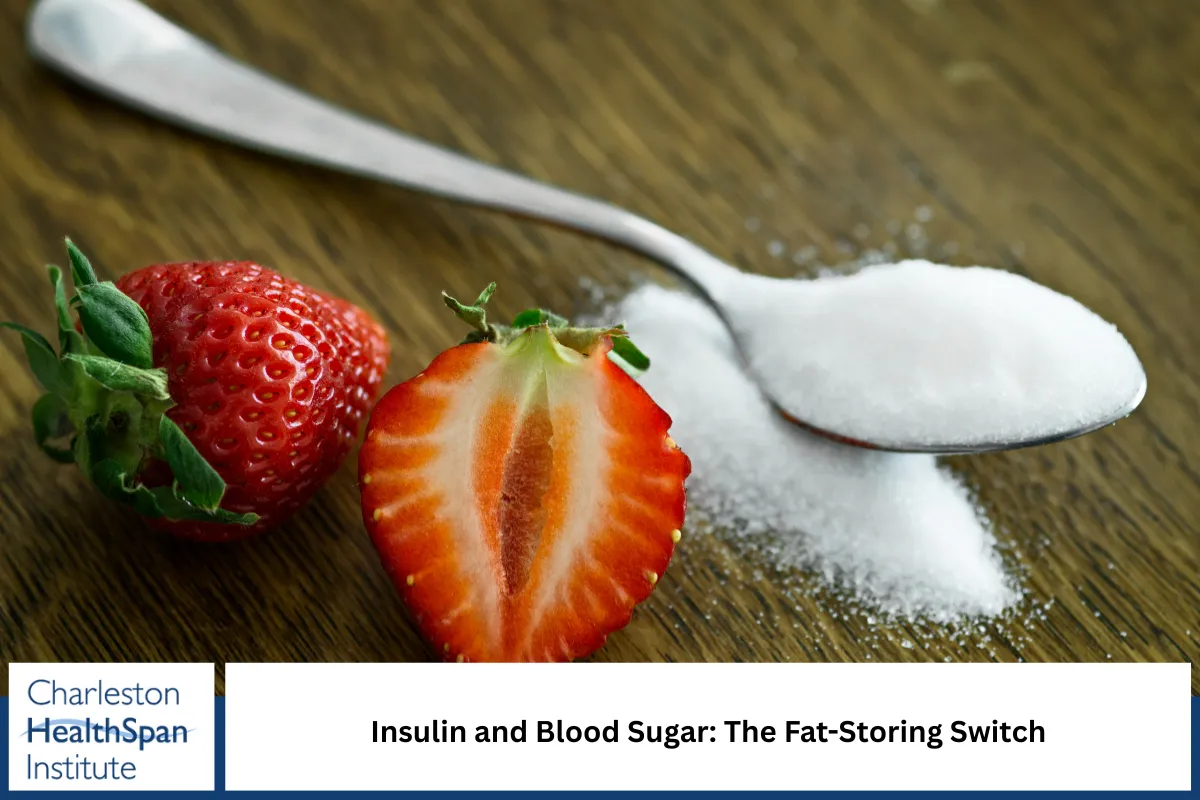
Insulin and Blood Sugar: The Fat-Storing Switch
How Insulin Encourages Fat Storage
Insulin is one of the most powerful hormones affecting body fat. Its main job is to move glucose from the bloodstream into cells for energy. When insulin levels remain high due to frequent sugar intake or insulin resistance, the body shifts into fat-storage mode.
Excess insulin:
- Signals the body to store energy as fat
- Blocks fat breakdown
- Increases hunger shortly after meals
This is why many people struggle with abdominal fat and energy crashes.
Insulin Resistance and Weight Gain
Insulin resistance occurs when cells stop responding efficiently, forcing the body to release even more insulin. A weight loss service that addresses insulin sensitivity through nutrition, lifestyle changes, and medical supervision can significantly improve fat loss outcomes.
Leptin and Ghrelin: Appetite Control Hormones Explained
Leptin: The Fullness Signal
Leptin is produced by fat cells and tells the brain when you’ve had enough to eat. In theory, more body fat should mean less hunger. In reality, many individuals develop leptin resistance, where the brain no longer responds properly.
Signs of leptin resistance include:
- Constant hunger
- Difficulty feeling satisfied
- Weight regain after dieting
Ghrelin: The Hunger Hormone
Ghrelin rises before meals and falls afterward. Poor sleep, restrictive dieting, and chronic stress can increase ghrelin levels, making appetite harder to control.
A knowledgeable weight loss doctor helps restore balance between these hormones so hunger cues become more reliable.
Cortisol and Stress-Related Weight Gain
Why Stress Makes Weight Loss Harder
Cortisol is released during stress and plays a role in survival. While short-term cortisol is helpful, chronic elevation can lead to weight gain, especially around the midsection.
High cortisol levels can:
- Increase cravings for sugar and refined carbs
- Promote fat storage
- Break down muscle tissue
- Disrupt sleep patterns
A comprehensive weight loss clinic approach often includes stress management strategies, sleep optimization, and nutritional support to reduce cortisol’s impact.
Thyroid Hormones and Metabolic Speed
The Thyroid’s Influence on Metabolism
The thyroid gland produces hormones that regulate metabolic rate. When thyroid function is suboptimal, calories burn more slowly, even with consistent diet and exercise.
Common symptoms of thyroid imbalance include:
- Unexplained weight gain
- Fatigue
- Cold sensitivity
- Brain fog
A weight loss doctor may recommend lab testing to assess thyroid hormone levels and determine whether medical intervention is appropriate under South Carolina medical regulations.
Sex Hormones: Estrogen, Testosterone, and Body Composition
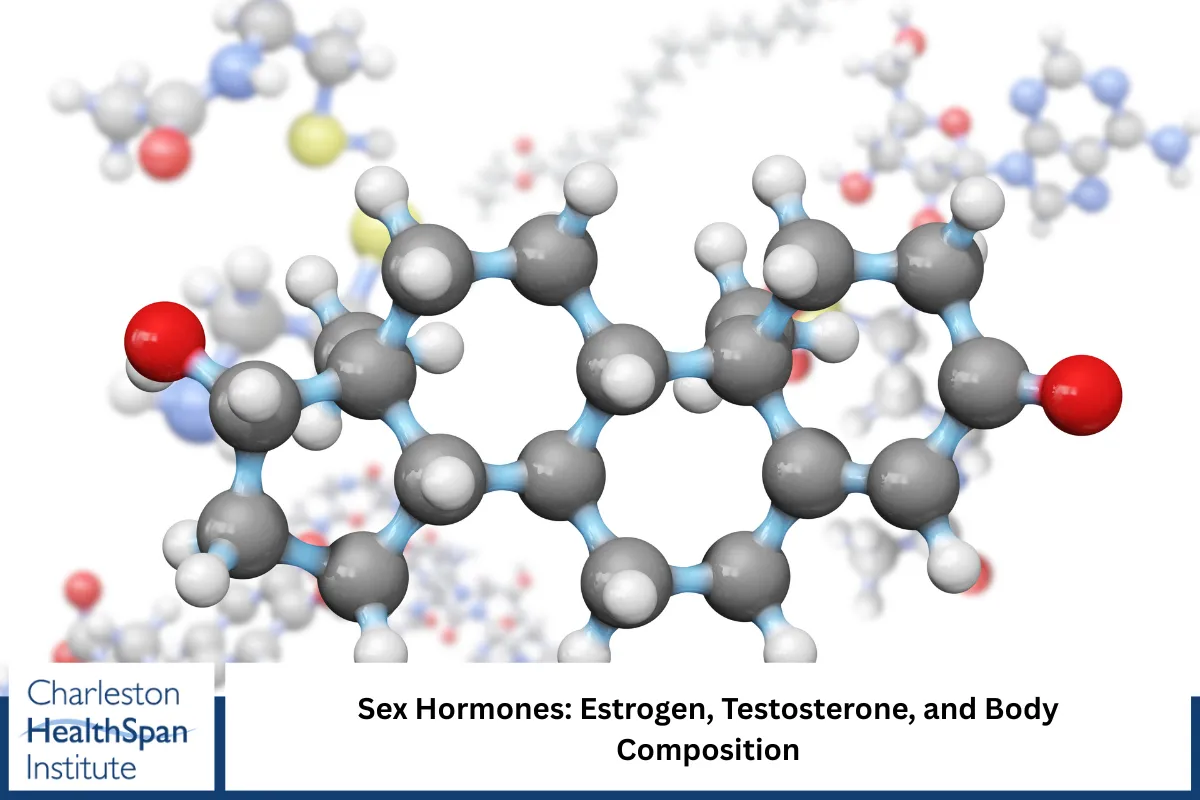
Estrogen and Fat Distribution
Estrogen influences where fat is stored, particularly in hips, thighs, and abdomen. Hormonal shifts during perimenopause and menopause can change fat distribution and slow metabolism.
Testosterone and Lean Muscle
Testosterone supports muscle mass and fat burning in both men and women. Low levels may lead to reduced strength, lower energy, and increased fat accumulation.
Medically supervised weight loss services evaluate sex hormone balance carefully, focusing on safety, appropriateness, and individualized care.
Read Charleston Weight Loss Doctor: What is the Interaction Between Thyroid Hormones and Weight Loss?
Why Dieting Alone Often Fails
Traditional dieting focuses on calorie reduction without addressing hormonal responses. Severe calorie restriction can backfire by:
- Lowering metabolic rate
- Increasing ghrelin levels
- Raising cortisol
- Triggering fat conservation
This explains why many people regain weight after short-term success. A sustainable plan considers how hormones respond over time, not just immediate scale changes.
How a Medical Weight Loss Clinic Evaluates Hormonal Health
A reputable weight loss clinic uses a structured, physician-led process that may include:
- Comprehensive health history
- Lab testing for metabolic and hormonal markers
- Body composition analysis
- Lifestyle and nutrition assessment
This data allows a weight loss doctor to identify root causes rather than applying one-size-fits-all solutions.
Personalized Treatment Plans That Work With Your Biology
Medical weight loss services are tailored to each patient’s hormonal profile, goals, and health status. Plans may include:
- Nutrition strategies that stabilize blood sugar
- Appetite-regulating support
- Metabolic optimization protocols
- Lifestyle coaching for sleep and stress
The focus is long-term health, not rapid or unsafe weight loss.
Sustainable Results Through Hormone-Aware Weight Loss
When hormones are balanced, patients often notice:
- Reduced cravings
- Improved energy levels
- Better mood and focus
- More consistent fat loss
This approach helps individuals maintain results rather than cycling through repeated weight gain and loss.
A Smarter Path Forward for Lasting Weight Management
Weight loss becomes less of a battle when the body’s internal signals are aligned. By addressing hormones that influence fat storage, metabolism, and appetite, individuals can finally see progress that feels sustainable and achievable.
Working with a qualified weight loss doctor ensures care is guided by medical standards, evidence-based practices, and personalized attention.
Charleston Weight Loss Doctor – Charleston Healthspan Institute
Charleston Healthspan Institute offers physician-led care for adults seeking a trusted weight loss doctor in Charleston, South Carolina and surrounding areas. Our approach focuses on identifying hormonal, metabolic, and lifestyle factors that impact weight, energy, and overall health. As a comprehensive weight loss clinic, we provide personalized evaluations and medically guided weight loss services designed for safe, sustainable results. Patients receive attentive care, clear guidance, and realistic strategies tailored to their needs. If you’re frustrated with dieting or concerned about hormonal weight gain, now is the time to take action. Call (843) 375-6588 or complete our contact form to schedule your consultation and start your journey toward better health.
Frequently Asked Questions
1. Can hormonal weight gain happen even with a healthy diet?
Yes. Hormonal imbalances can cause weight gain even when nutrition is well managed. Issues like insulin resistance, thyroid dysfunction, or elevated cortisol can override calorie control. This is why medical evaluation is important when weight loss stalls despite consistent healthy habits.
2. How long does it take to see results after addressing hormones?
Timelines vary depending on the individual and the hormones involved. Some patients notice appetite or energy improvements within weeks, while visible fat loss may take several months. Sustainable progress is gradual and prioritizes safety and metabolic health.
3. Are hormone-related weight loss treatments safe?
When managed by a licensed physician, hormone-related weight loss treatments follow medical guidelines and safety protocols. Care plans are customized, monitored regularly, and adjusted based on labs and clinical response.
4. Does age affect how hormones influence weight?
Yes. Hormonal changes naturally occur with aging, affecting metabolism, muscle mass, and fat storage. This makes personalized care increasingly important as people get older, especially for long-term weight management.
5. Will hormone-focused weight loss prevent future weight regain?
While no approach guarantees permanent results, addressing hormonal drivers significantly reduces the risk of rebound weight gain. Ongoing lifestyle support and medical oversight help maintain improvements over time.
Disclaimer: This article is for educational purposes only and does not replace professional medical advice, diagnosis, or treatment. Always consult a licensed healthcare provider regarding weight loss, hormonal concerns, or medical conditions.
Read Charleston Weight Loss Doctor: What is the 30 30 30 Rule for Weight Loss?