The thyroid-weight puzzle most people don’t realize they’re solving (Intro)
Charleston Weight Loss Doctor visits often start with the same frustration: you’re doing “all the right things,” but the scale refuses to cooperate. That’s the problem—when weight loss stalls, people blame willpower, calories, or age, while a powerful metabolic system may be quietly pushing back. It gets worse when symptoms stack up (fatigue, constipation, brain fog, cold intolerance, mood changes), because now you’re fighting your body and your schedule at the same time. The good news is there’s a practical path forward. Thyroid hormones influence how your body uses energy, stores fat, holds water, and responds to dieting. When you understand that interaction—and test, treat, and tailor a plan correctly—weight loss becomes less mysterious and more measurable.
Why your thyroid behaves like a metabolic thermostat
Your thyroid is a small gland with a big job: helping regulate how fast your cells convert nutrients into usable energy. It does that mainly through hormones called T4 (thyroxine) and T3 (triiodothyronine). Think of T4 as the “storage” form and T3 as the “active” form that does more of the heavy lifting at the cellular level.
TSH, T4, T3: the control panel most people never see
- TSH (thyroid-stimulating hormone): a signal from the pituitary gland that tells the thyroid how hard to work.
- Free T4: what your thyroid produces in larger amounts.
- Free T3: what tissues often rely on to drive metabolic activity.
If your thyroid output is low (or your body isn’t converting T4 to T3 efficiently), your system may run “cooler.” That doesn’t mean weight loss becomes impossible, but it can change how your body spends energy, how hungry you feel, and how you retain fluid.
Metabolism is more than “calories out”
Resting metabolic rate matters, but so do:
- Thermogenesis (heat production after eating and during activity)
- NEAT (non-exercise activity, like steps, fidgeting, posture shifts)
- Appetite signaling (hunger and fullness hormones)
- Sleep and stress chemistry (which can increase cravings and reduce recovery)
Thyroid hormones can touch all of these—directly or indirectly—so a thyroid issue can feel like the rules changed mid-game.
Hypothyroidism and the scale: what changes, what doesn’t
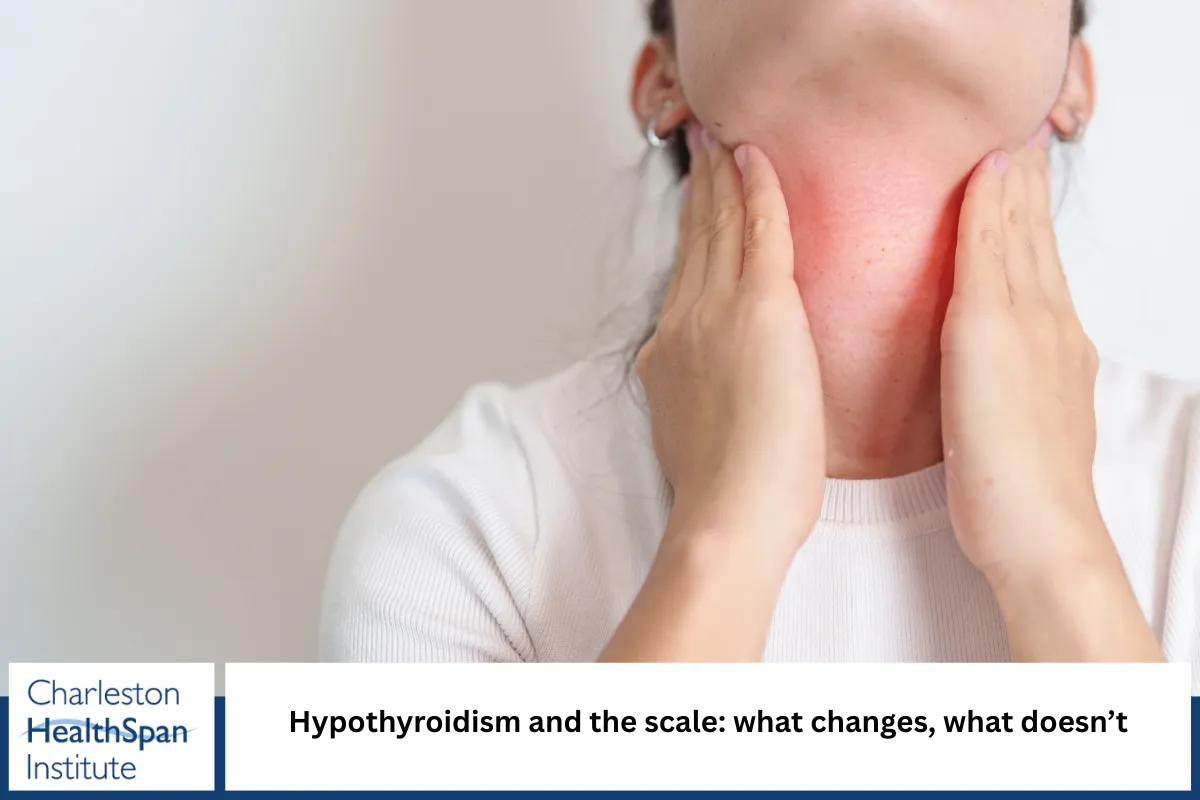
Hypothyroidism (an underactive thyroid) is commonly associated with weight gain. But the details matter, because the internet often exaggerates the “thyroid weight” number.
The weight gain is often modest—and frequently water
With hypothyroidism, some of the gain is from salt and water retention, not just fat. For many people, thyroid-related weight change is often in the range of about 5–10 pounds, though individual experiences vary based on severity and duration.
Why treatment doesn’t always lead to dramatic fat loss
Once thyroid hormone levels are normalized, some people expect the weight to melt off. In reality, studies and clinical guidance consistently point to modest average weight loss after treatment, not a total reset to a “pre-thyroid” body overnight.
That doesn’t mean treatment isn’t worth it—it is. It means expectations should be realistic, and the next steps should include a structured weight loss service that addresses nutrition, muscle, sleep, activity, and metabolic health.
Subclinical hypothyroidism: the gray zone that confuses patients
Subclinical hypothyroidism usually means TSH is elevated but free T4 is still in the normal range, and symptoms can be mild or overlap with everyday life.
In this gray zone, weight struggles can be real, but they’re rarely solved by a single lever. A weight loss clinic approach tends to work better than one-off fixes because it evaluates the full picture: labs, symptoms, meds, lifestyle, and body composition.
Hyperthyroidism: when weight drops but health can still decline
Hyperthyroidism (an overactive thyroid) can cause weight loss, but it’s not the “easy mode” some people imagine. It can also bring:
- rapid heart rate or palpitations
- heat intolerance, sweating
- anxiety, tremor
- muscle weakness
When hyperthyroidism is treated and hormones normalize, weight can rebound. This is one reason thyroid-related weight change can feel like a roller coaster: the body is trying to stabilize.
The appetite connection: hunger, cravings, and “why am I still starving?”

Weight loss is not just math—it’s biology. Thyroid hormones influence how your body senses and uses fuel, which can affect appetite and cravings.
The “tired and hungry” loop
When energy output drops and fatigue increases, people often:
- move less without realizing it (lower NEAT)
- rely on quick carbs for energy
- skip strength training because they feel drained
- sleep poorly, which increases appetite signals
Even if your calorie intake seems reasonable, the combination can slow progress. A weight loss doctor may focus on reducing friction: a plan you can follow on your hardest days, not just your best days.
Protein, fiber, and meal timing—small levers with big payoffs
Without turning your life into a food spreadsheet, these strategies often help:
- Protein at each meal to support muscle and fullness
- High-fiber foods to blunt spikes and control appetite
- Consistent meal patterns to reduce rebound snacking
- Strength training to preserve lean mass while dieting
These aren’t “thyroid hacks.” They’re proven fundamentals that become more important when hormones make the process feel harder.
Thyroid testing that actually informs a weight loss plan
Online advice often pushes people to order random panels. The goal isn’t more labs—it’s the right labs, interpreted in context.
Common labs your clinician may consider
- TSH
- Free T4
- Free T3 (in selected situations)
- Thyroid antibodies (often considered when autoimmune thyroid disease is suspected, such as Hashimoto’s)
- Lipids, glucose/A1C, insulin resistance markers (because thyroid dysfunction and metabolic risk can overlap)
Symptoms matter, but they are not a diagnosis
Fatigue, weight gain, hair changes, constipation, and mood shifts can come from many causes—thyroid issues, anemia, low vitamin D, sleep apnea, perimenopause, medication side effects, chronic stress, and more. A thorough weight loss service typically screens for multiple contributors rather than assuming one root cause.
Thyroid medication and weight loss: what’s true, what’s risky
If there’s one point that must be said plainly: thyroid hormone medication is not a weight loss drug for people with normal thyroid function. Using it that way is unsafe.
A clear safety warning about using thyroid hormones for weight reduction
FDA labeling for levothyroxine includes a strong warning that thyroid hormones should not be used for obesity or weight loss, and that higher-than-needed doses can be dangerous—especially when combined with stimulants.
Why the “I’ll just raise my dose” idea backfires
Too much thyroid hormone can increase risk of:
- heart rhythm problems
- anxiety and insomnia
- bone loss over time
- muscle wasting
Even if the scale dips, you may be losing the wrong things (muscle, hydration stability, sleep quality), which often leads to rebound gain later.
Read Charleston Weight Loss Doctor: How Do Hormones Impact Fat Storage, Metabolism, or Appetite?
Levothyroxine vs. combination therapy: why personalization matters
Most people with hypothyroidism are treated with levothyroxine (T4). Some patients ask about adding T3 (liothyronine) or “combination therapy.” This is a nuanced medical decision that depends on symptoms, labs, comorbidities, and risk profile. The key takeaway for weight goals: the aim is euthyroid (normal thyroid hormone status) and then a sustainable fat-loss plan, not pushing hormones beyond a healthy range.
Weight loss efforts can change thyroid markers too
Interestingly, weight loss itself can affect thyroid labs—especially during calorie restriction—because the body adapts to perceived energy scarcity. Some research finds that weight loss can be associated with changes in TSH and T3 levels, which may reflect metabolic adaptation.
This matters because:
- a plateau might not mean “failure”
- aggressive dieting may amplify fatigue or cold intolerance
- the plan may need strategic adjustments (calorie targets, protein, resistance training, sleep, stress)
A weight loss clinic is often helpful here because it can track trends (not just single lab values) and align them with how you feel and perform.
The most common thyroid-related barriers that stall progress
Here are patterns clinicians frequently see when thyroid and weight loss collide:
- Under-treated hypothyroidism (labs or symptoms suggest medication needs review)
- Inconsistent medication timing (taking thyroid meds with calcium/iron, certain supplements, or coffee can interfere for some people)
- Low protein + low strength training (lean mass declines, metabolism feels sluggish)
- Sleep debt (hunger increases, recovery decreases)
- High stress load (more cravings, less bandwidth for routines)
- Unrecognized insulin resistance or metabolic syndrome
- Perimenopause/menopause shifts (body composition changes, less tolerance for aggressive dieting)
Medication timing and interactions—small details, real impact
Many patients don’t realize that supplements and medications can affect absorption. Your prescribing clinician or pharmacist is the best source for the specifics of your regimen, but the bigger point is simple: consistency matters more than perfection.
What an effective thyroid-aware weight loss plan looks like
The best outcomes usually come from blending medical accuracy with lifestyle practicality.
Step 1: Confirm the thyroid story with proper evaluation
A credible weight loss doctor doesn’t guess. They correlate:
- symptoms
- exam history
- lab trends
- medication adherence and timing
- relevant comorbidities (sleep apnea, PCOS, prediabetes, depression, etc.)
Step 2: Build the plan around body composition, not just pounds
The scale can lie, especially when:
- hypothyroidism affects water retention
- strength training increases lean mass
- diet changes alter glycogen and fluid balance
Tracking progress may include:
- waist measurements
- how clothing fits
- strength or step trends
- energy and sleep quality
- body fat estimates (when appropriate)
Step 3: Use structured nutrition that doesn’t trigger rebound eating
Common building blocks:
- protein-forward meals
- high-volume vegetables and fiber
- planned treats instead of “all-or-nothing”
- realistic calorie targets that protect sleep and training
Step 4: Prioritize resistance training (even if it’s brief)
If you only pick one exercise category, make it strength training. It helps preserve muscle during fat loss, supports metabolic rate, and improves insulin sensitivity—useful whether your thyroid is perfect or not.
Step 5: Consider evidence-based medical options—only when appropriate
Some people benefit from prescription-based obesity care (for example, GLP-1–based medications) when medically indicated and monitored. Others do best with a conservative plan focused on strength, protein, and sleep. The right answer depends on your health profile, goals, and safety considerations.
How to spot red flags in thyroid and weight loss messaging
If you’re shopping for a weight loss service, be cautious of:
- promises of “guaranteed” results
- anyone pushing thyroid hormone for weight loss in people with normal thyroid function
- one-size-fits-all calorie plans that ignore fatigue and recovery
- supplement-heavy programs that skip lab work and medical history
In South Carolina, medical marketing and obesity-related care should be handled in a way that avoids misleading claims and supports safe prescribing practices within a legitimate clinician–patient relationship.
Bringing it all together: steady fat loss with a thyroid-smart strategy
The interaction between thyroid hormones and weight loss is real—but it’s often misunderstood. Hypothyroidism can contribute to weight gain and water retention, and treatment can help you feel more like yourself again. Still, most long-term success comes from pairing thyroid stabilization with a plan that protects muscle, improves sleep, manages appetite, and keeps daily habits realistic. If you’ve been stuck, don’t assume it’s a character flaw—or assume it’s “just thyroid.” Get evaluated, use data you can trust, and follow a structured approach that matches your life.
Charleston Weight Loss Doctor – Charleston Healthspan Institute

If you’re looking for a weight loss doctor who understands how thyroid hormones can affect metabolism, appetite, and plateaus, Charleston Healthspan Institute offers a practical, medically guided path forward. Our team in Charleston, South Carolina also serves surrounding areas with personalized weight loss service options that prioritize safety, lab-informed decision-making, and sustainable routines. Whether you’re navigating hypothyroidism, unexplained fatigue, or a frustrating stall, we help you identify what’s driving the problem and build a plan you can actually follow. Call (843) 375-6588 to schedule a visit, or use our contact form to get started. The sooner you get clear answers, the sooner you can start seeing consistent progress.
Frequently Asked Questions
1) Can thyroid antibodies affect weight even if TSH is “normal”?
Yes, it can happen, but it’s not automatic. Thyroid antibodies (often linked with autoimmune thyroid conditions) may be present before labs clearly show hypothyroidism. Some people feel symptoms during that phase, while others feel fine. Weight changes may come from subtle shifts in energy, sleep, inflammation, or activity levels—plus the stress of not feeling well. The key is not to treat antibodies as a weight-loss explanation by themselves. A clinician typically looks at symptoms, trends in TSH/free T4 over time, family history, and other causes of fatigue or gain before deciding what to do next.
2) Why do I gain weight after my hyperthyroidism is treated?
When hyperthyroidism is active, metabolism often runs high and weight can drop even if eating habits haven’t changed much. Once treated, metabolism returns toward normal and appetite may remain elevated for a while—so intake can exceed needs without you noticing. Some people also reduce activity during treatment because they feel tired or cautious about heart symptoms. The result can be a rebound. The solution is usually not extreme dieting; it’s a calibrated plan: protein for fullness, strength training to rebuild muscle, and a gentle calorie target that you can maintain while your body stabilizes.
3) Does “reverse T3” explain stubborn weight loss?
Reverse T3 is a real hormone metabolite, but its role in everyday weight management is often oversold online. In many cases, reverse T3 rises during stress, illness, or calorie restriction as part of the body’s adaptation. That doesn’t automatically mean you need extra T3 medication or that reverse T3 is the reason fat loss won’t happen. What matters more is the full clinical picture: TSH, free T4, symptoms, medical history, sleep, diet quality, and the aggressiveness of the calorie deficit. If a plan is too restrictive, the fix may be strategy, not another lab target.
4) Can I lose weight if my TSH is slightly high but my doctor won’t treat yet?
Often, yes. A slightly high TSH doesn’t always require medication immediately, and many people still lose fat successfully with a well-built plan. What usually helps is focusing on controllables: consistent protein, resistance training, daily steps, and sleep quality. Because fatigue can be a barrier, pick workouts you’ll actually do and meals that reduce decision stress. Also evaluate other factors that mimic thyroid symptoms—iron deficiency, sleep apnea, medication side effects, and chronic stress. If symptoms are significant or labs trend worse over time, your clinician may reassess. Progress is possible even while that monitoring happens.
5) How long after adjusting thyroid medication should weight changes appear?
It varies, and it’s not always dramatic. Many people feel symptom changes before major scale changes. Weight shifts related to fluid retention may improve sooner, while fat loss typically depends on a consistent calorie deficit and muscle preservation over time. Clinicians often re-check thyroid labs after an adjustment to confirm dosing is appropriate; the timing depends on the medication and clinical context. Importantly, chasing faster weight loss by pushing thyroid hormone higher than needed is not safe. A better strategy is to stabilize thyroid levels, then run a steady plan for nutrition, strength training, and sleep so results compound month to month.
Disclaimer: This article is for general educational purposes only and is not medical advice. Thyroid conditions and weight management require individualized evaluation, diagnosis, and treatment from a licensed clinician.
Read Charleston Weight Loss Doctor: At What Age is It Hardest to Lose Weight?