Finding a Hormone Therapy Clinic Near Me in Charleston, SC can feel overwhelming when you are dealing with symptoms that disrupt your daily life. Many people struggle silently with fatigue, weight changes, sleep problems, and emotional shifts, unsure if hormones are truly the cause. These issues often worsen over time, affecting confidence, relationships, and overall well-being. Ignoring them can lead to frustration and declining health. The right clinic can offer clarity, testing, and structured solutions that address root causes rather than masking symptoms. Understanding what to look for in a clinic empowers you to make informed decisions, feel heard, and move toward balanced health with professional guidance designed around your unique needs.
Recognizing When Hormones May Be the Root of the Problem
Hormones influence nearly every system in the body, from metabolism to mood. When levels shift outside healthy ranges, the effects can be subtle at first and later become disruptive. Common red flags include persistent fatigue, unexplained weight loss resistance, and difficulty concentrating. Emotional changes such as Mood swings or irritability are also frequently reported.
Physical symptoms may include Hair Loss, changes in skin texture, or temperature sensitivity. Many people experience brain fog, reduced motivation, or changes in sleep patterns. These signs often point to a hormone imbalance rather than simple lifestyle stress. A qualified clinic evaluates patterns rather than isolated symptoms, helping determine whether underlying hormonal imbalance is present and requires professional attention.
Why Searching Locally Matters for Hormone Care
Choosing a nearby provider offers more than convenience. A local clinic understands regional health trends, lifestyle factors, and state-specific regulations affecting treatment. Access to ongoing monitoring is critical for safe care, particularly when managing hormonal fluctuations over time.
Working with a nearby provider also allows for consistent follow-ups, lab reviews, and adjustments without long delays. When people search for a hormone therapy clinic near me, they are often seeking accessibility, continuity, and trust. These elements support better outcomes and long-term hormonal balance rather than quick fixes.
Credentials and Medical Oversight You Should Expect
A reputable clinic operates within established medical frameworks and emphasizes patient safety. Look for licensed providers with experience in endocrinology care or advanced training in hormone-related conditions. Clinics should coordinate with or complement primary care rather than replace it.
Medical oversight includes proper testing, interpretation of hormone production levels, and clear documentation. Treatments should be evidence-based, with transparent discussions about benefits and risks. Hormone care is a form of health care, not a cosmetic trend, and should be treated with the same rigor as other medical services.
Testing, Diagnosis, and Individual Assessment
Effective hormone care begins with thorough evaluation. Clinics should conduct comprehensive lab testing and a detailed health history review. This process identifies hormonal issues that may be contributing to symptoms such as fatigue, sleep disruption, or metabolic changes.
A quality provider explains results clearly and connects them to real-world symptoms. Rather than offering one-size-fits-all solutions, they develop an individualized plan that reflects age, lifestyle, and health goals. This diagnostic phase is essential for restoring true hormone balance safely and effectively.
Treatment Options a Comprehensive Clinic May Offer
Hormone therapy is not limited to a single approach. Depending on needs, treatment may include hormone replacement therapy using carefully dosed supplemental hormones. Some clinics provide bioidentical hormone replacement therapy, which uses compounds structurally identical to those produced by the body.
Other services may address related concerns such as Thyroid Management, metabolic support, or medical weight loss strategies. A broad menu of health services allows providers to address interconnected systems rather than isolated symptoms.
Men’s Hormone Concerns and Specialized Care
Men often delay seeking help despite experiencing symptoms that affect quality of life. Issues like fatigue, reduced muscle mass, and mood changes may signal Low Testosterone or testosterone deficiency. Sexual health concerns, including ERECTILE DYSFUNCTION and reduced energy, are also common.
Clinics may offer testosterone therapy, Testosterone replacement, or testosterone replacement therapy under close supervision. Programs focused on testosterone optimization and Testosterone Health aim to restore vitality while monitoring cardiovascular and metabolic markers. Comprehensive care may also address SEXUAL PERFORMANCE and confidence concerns in a respectful, medical setting.
Read What Conditions Are Commonly Treated at a Hormone Therapy Clinic Near Me in Charleston, SC?
Women’s Hormone Health Across Life Stages
Hormonal changes affect women differently at various life stages. Many seek help for Perimenopause/menopause symptoms such as hot flashes, night sweats, and Vasomotor Symptoms. Others experience vaginal dryness, mood changes, or sleep challenges during transitions.
A clinic specializing in women’s health or operating as a women’s health clinic may offer targeted Menopause Solutions. Care may involve Bio-identical estrogen or other Bio-identical hormone therapy options designed to support comfort and function. Access to a knowledgeable women’s hormone doctor ensures attention to reproductive health and long-term wellness.
Personalized Planning and Ongoing Support
The hallmark of a trustworthy clinic is commitment to personalized care. Hormone needs evolve, requiring adjustments over time. Clinics should provide a personalized consultation and design Personalize treatment plans that align with individual goals and lab findings.
Ongoing monitoring supports hormonal balance while minimizing side effects. Many clinics offer structured hormone therapy service plans that include follow-ups, education, and lifestyle guidance. A thoughtful personal care plan emphasizes safety, sustainability, and measurable progress rather than rapid changes.
Weight and Metabolic Support as Part of Hormone Care
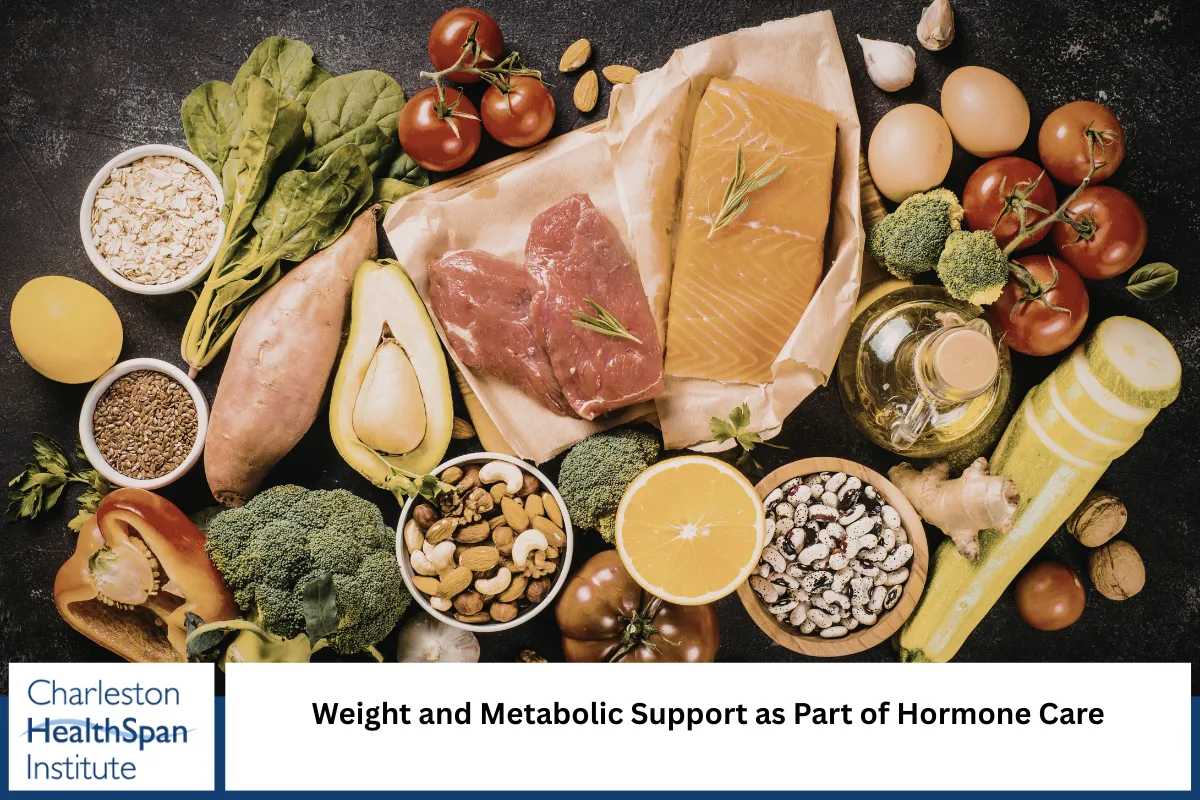
Hormones play a major role in metabolism and body composition. Some clinics integrate Weight Loss Therapy or weight management treatments alongside hormone support. These programs may include nutrition guidance, activity planning, and metabolic assessments.
When appropriate, clinics may offer weight loss programs or medical weight loss options that address hormonal contributors to fat storage. The goal is not quick results but sustainable improvement supported by balanced hormones and healthy habits.
Advanced and Adjunctive Wellness Services
Some clinics expand beyond hormones to support overall vitality. Options may include Peptide Therapy, Peptide and HGH Therapy, or Peptides and Vitamin Therapy, which are often used to complement recovery, energy, or metabolic goals. Other offerings might include immunity support, self care strategies, and broader health and wellness services.
Additional services such as PRP treatments, PRP Hair Therapy, or hair restoration may be available for individuals experiencing thinning or scalp concerns. A comprehensive clinic evaluates whether these options align with medical needs and expectations.
Safety, Regulation, and Evidence-Based Practice
Hormone therapy must comply with medical standards and regulatory guidance. Treatments should rely on FDA-reviewed medications when applicable, including FDA-approved bioidentical options. Clinics must explain risks, contraindications, and monitoring protocols clearly.
Avoid providers that promise instant results or bypass testing. Ethical practice prioritizes patient education, informed consent, and coordination with other providers. Hormone care is a long-term commitment that requires transparency and accountability.
Evaluating the Clinic Experience Before You Commit
Before starting care, assess how the clinic communicates. Do they listen carefully? Are questions answered thoroughly? A reputable hormone doctor emphasizes education and shared decision-making. Staff should explain timelines, costs, and expectations without pressure.
The overall experience should feel collaborative and respectful. From scheduling to follow-ups, professionalism reflects how seriously a clinic approaches patient outcomes and long-term hormone balance.
Hormone Therapy Clinic Near Me in Charleston, SC – Charleston Healthspan Institute
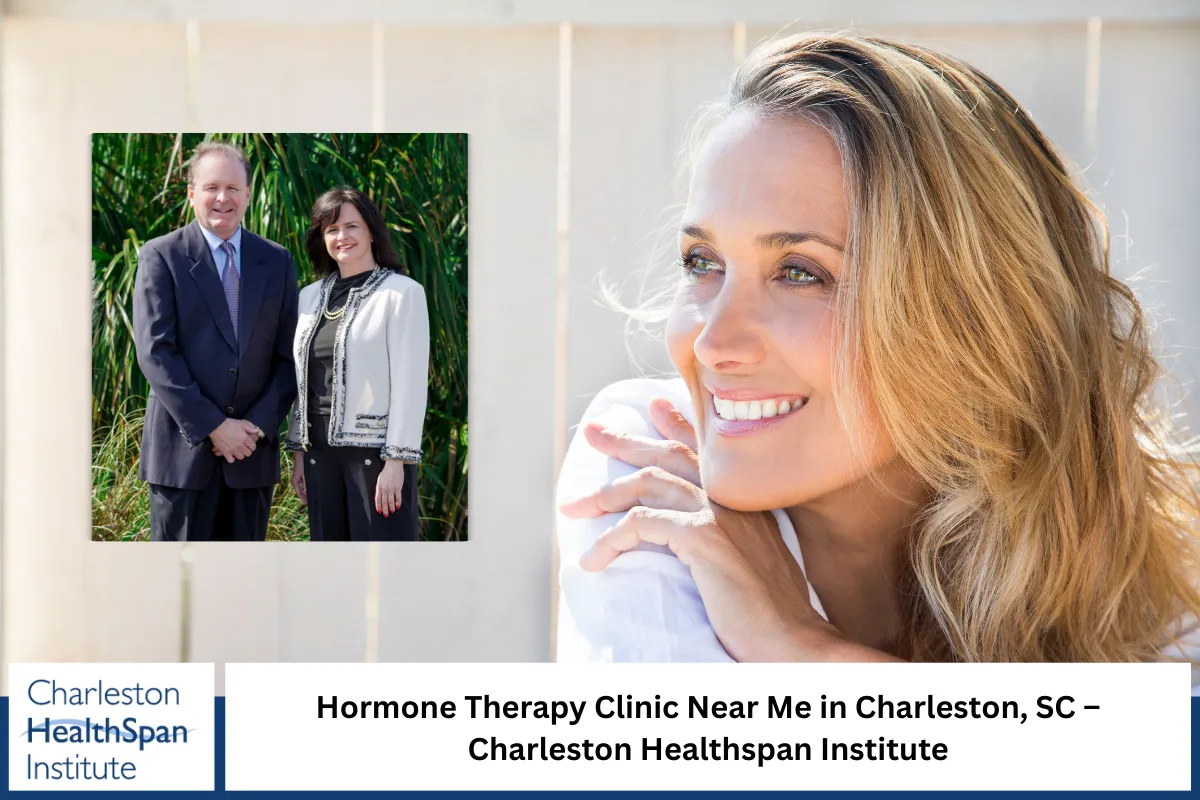
At Charleston Healthspan Institute, we focus on helping individuals regain control of their health through thoughtful, medically guided hormone care. When people search for a hormone therapy clinic near me, they are often looking for answers, clarity, and a team that truly listens. We provide comprehensive evaluations, clear explanations, and customized care designed around your goals. Our approach integrates hormone support with wellness-focused strategies to help you feel stronger, sharper, and more balanced. If you are ready to take the next step, we invite you to call us at (843) 375-6588 or complete our contact form to schedule a confidential consultation at our Charleston, South Carolina location.
Frequently Asked Questions
How long does it take to notice results from hormone therapy?
Response time varies based on the individual, the type of therapy, and baseline hormone levels. Some people notice improvements in energy or sleep within a few weeks, while others require several months for full benefits. Clinics typically monitor progress through follow-up labs and symptom tracking to ensure safe adjustments.
Is hormone therapy only for older adults?
Hormone-related symptoms can affect adults at many life stages. Stress, medical conditions, or lifestyle factors may contribute to imbalances earlier than expected. A qualified clinic evaluates symptoms and lab data rather than age alone when determining candidacy for treatment.
Can hormone therapy help with sexual wellness concerns?
Yes, hormone care may support sexual wellness when symptoms are linked to hormonal changes. Treatment plans often consider libido, comfort, and overall vitality as part of whole-body health rather than isolating symptoms.
What role does lifestyle play alongside medical treatment?
Lifestyle factors such as sleep, nutrition, stress management, and activity significantly influence outcomes. Clinics often incorporate coaching and education to reinforce medical care, helping patients maintain results and reduce future imbalances.
Are non-hormonal options discussed during consultations?
A responsible provider discusses both hormonal and non-hormonal strategies. In some cases, lifestyle changes or targeted supplements may be recommended before or alongside hormone therapy, depending on individual needs and test results.
Disclaimer: This article is for informational purposes only and does not replace professional medical advice, diagnosis, or treatment. Always consult a qualified health care provider regarding personal health concerns or treatment decisions.
Read Is Peptide Therapy the Same as Hormone Therapy in Charleston, SC?