

A Clear Look at When Real Change Begins
Weight Loss Doctor in Charleston, SC is often the phrase people search when frustration sets in after months or years of stalled progress. The problem is rarely a lack of effort. Many people follow strict routines yet see little movement on the scale, which can feel discouraging and exhausting. That frustration grows when weight gain starts affecting energy, confidence, and long-term health. The solution is understanding how medical guidance works and what realistic timelines look like. Seeing a qualified weight loss doctor shifts the focus from guesswork to structured care. Results do not happen overnight, but with the right strategy, measurable changes often begin sooner than most people expect—and they are more sustainable.
Why Medical Guidance Changes the Weight Loss Timeline
Working with a weight loss doctor is different from trying to manage everything alone. Instead of relying on trends or generic advice, patients receive oversight from a health care provider trained to identify why weight gain occurs and how to address it safely. This level of care is especially important for adults dealing with metabolic concerns, age-related changes, or prior failed attempts.
Medical oversight allows for adjustments that align with Weight Management principles rather than extreme restrictions. Doctors specializing in Obesity Medicine evaluate underlying factors that may slow progress, including hormonal causes or medication interactions. This approach often shortens the time it takes to notice early improvements because the strategy fits the individual instead of forcing the body to adapt to a rigid plan.
The First Appointment: What Happens Before Results Begin
Initial Evaluation and Medical Insight
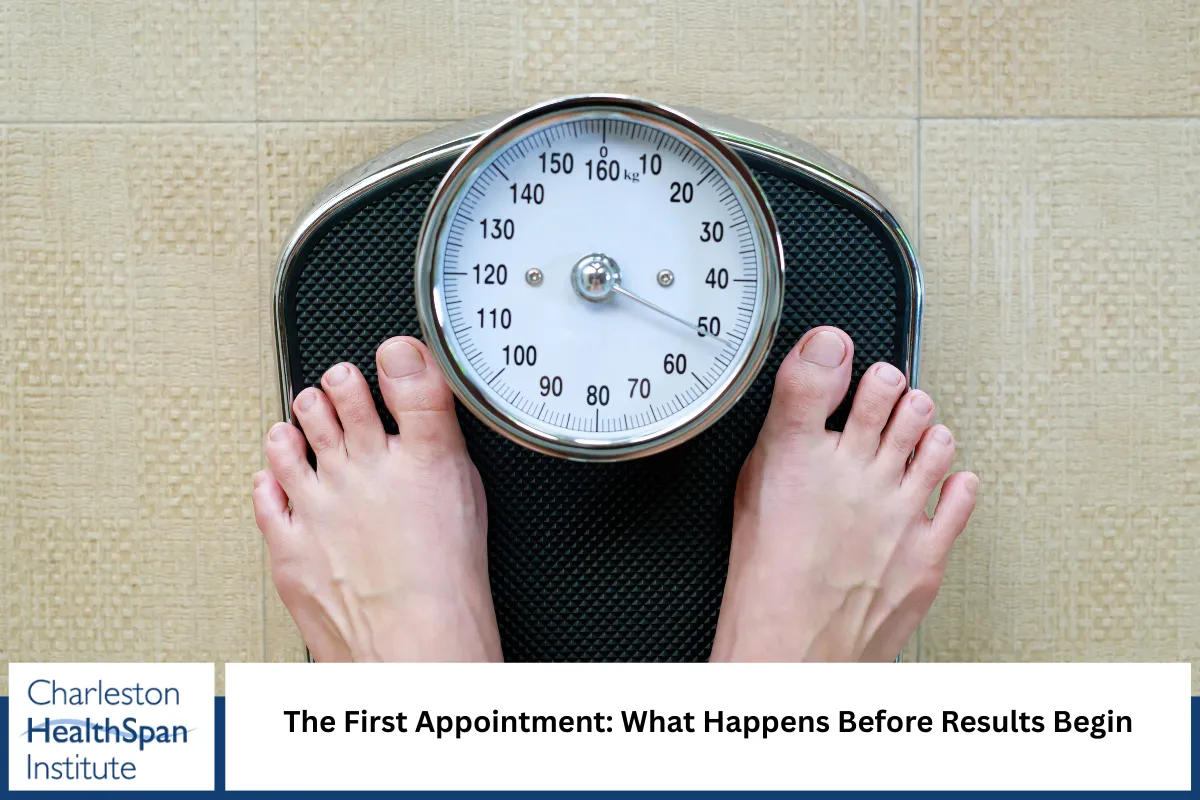
During the first visit, the healthcare provider typically conducts a detailed assessment. This may include reviewing medical history, current habits, and existing weight-related health conditions. Measurements often go beyond the scale to include Body Mass Index, resting metabolic rate, and body composition, which provide a clearer picture of how the body uses energy.
Blood work may be ordered to check markers tied to blood sugar, thyroid function, or other metabolic indicators. These steps help identify obesity-related conditions that could interfere with progress if left unaddressed.
Setting Expectations and Defining Direction
Rather than promising rapid outcomes, the doctor outlines a realistic weight loss journey. Patients discuss weight goals, daily routines, and obstacles. This is where a treatment plan starts to take shape, guided by evidence-based medicine and patient-specific needs.
When Early Results Typically Appear
The First Two to Four Weeks
For many patients, early changes begin within the first month. These may include reduced appetite, improved energy, or modest shifts in measurements. While scale changes vary, non-scale victories often appear first, especially when calorie intake becomes more balanced and hunger hormones stabilize.
One to Three Months: Noticeable Progress
By this stage, many people observe visible changes in body composition and clothing fit. A structured medical weight loss program often leads to steady, predictable loss rather than sharp drops followed by plateaus. This period is also when consistency with lifestyle changes becomes easier as routines settle in.
Why Results Differ From Person to Person
Metabolism, Hormones, and Health History
No two bodies respond the same way. Hormonal imbalances, prior dieting history, and current medications all influence the pace of progress. Some patients may require additional evaluation from a hormone doctor if metabolic resistance is suspected.
The Role of Behavior and Support
Success also depends on adherence. Patients who engage fully with nutritional counseling, follow activity guidance, and attend follow-ups tend to see more consistent outcomes. Medical supervision helps identify plateaus early and make timely adjustments.
Tools Doctors Use to Support Sustainable Progress

Nutrition and Activity Guidance
Rather than strict rules, doctors provide nutritional recommendations that fit daily life. These may include structured diet plans, guidance on meal timing, or education around approaches like the 30 30 30 rule when appropriate. Activity adjustments focus on safety, muscle maintenance, and long-term adherence.
Medication When Clinically Appropriate
Some patients may benefit from FDA-approved medications as part of Weight Loss Management. Options can include anti-obesity medications or appetite suppressant therapy, prescribed only after careful evaluation. These tools are not shortcuts but supports used alongside nutritional and physical activity counseling.
GLP-1 medications, including structured GLP-1s medication protocols, are sometimes considered for patients with specific metabolic needs. A supervised GLP-1s weight loss program may help regulate appetite and blood sugar levels, though side effects and eligibility are always discussed in detail.
Addressing Hormones and Metabolic Barriers
When Hormone Support Is Considered
In certain cases, Hormone Therapy may be part of care, especially when lab results indicate deficiencies or disruptions. Bioidentical Hormone Therapy is sometimes explored under strict medical supervision to support metabolic balance, not as a standalone solution.
Why This Matters for Long-Term Outcomes
Addressing hormonal causes can improve responsiveness to lifestyle modification. Patients often find that once these barriers are managed, progress becomes steadier and easier to maintain.
How Medical Programs Differ From Standard Clinics
Unlike commercial Weight Management Clinics, physician-led care integrates medical oversight with education and accountability. Patients are monitored for safety, progress, and overall health and wellbeing. Coordination with a primary care provider may also occur to ensure continuity of care.
This model supports Medical Non-Surgical Weight Management, focusing on health first rather than rapid loss at any cost.
Read Weight Loss Doctor in Charleston, SC: Can Weight Loss Drugs Affect Hormones?
Staying Consistent Beyond the Scale
Measuring What Matters
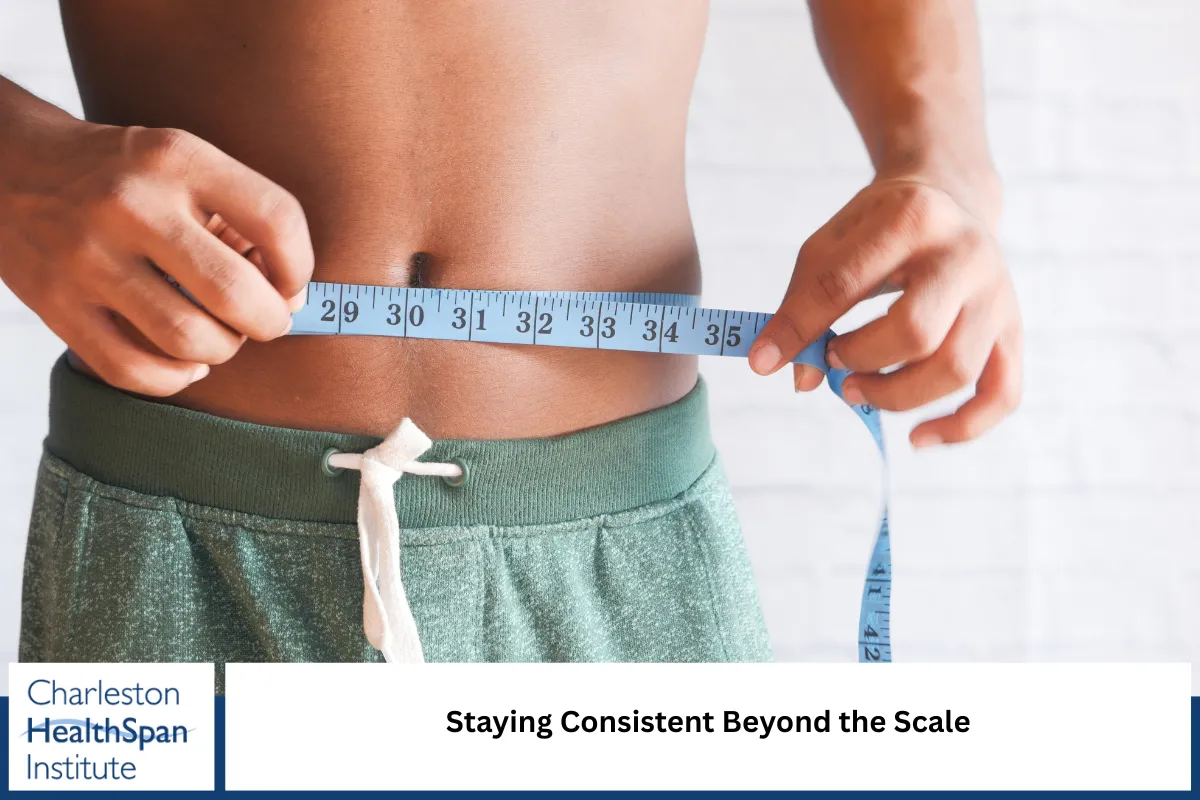
Doctors track more than pounds lost. Improvements in body composition analysis, energy levels, and metabolic markers often signal success even when the scale slows. These indicators reflect healthier weight loss patterns.
Building a Long-Term Strategy
A Personalized Approach helps patients transition from active loss to maintenance. Personalized care emphasizes skills and habits that support a lifelong wellness journey, not temporary fixes.
What to Expect After Six Months and Beyond
By six months, many patients have achieved significant progress toward their weight goals. More importantly, they understand how to maintain results through informed choices and ongoing support. A personalized weight loss program evolves over time, adjusting as the body changes and new goals emerge.
Patients who commit to lifestyle changes supported by medical insight are more likely to sustain results long term.
Taking the First Step With Confidence
Seeing a weight loss doctor is not about perfection. It is about guidance, safety, and realistic progress. With expert oversight, patients gain clarity on why weight gain occurs and how to address it effectively.
Weight Loss Doctor in Charleston, SC – Charleston Healthspan Institute

At Charleston Healthspan Institute, we take a comprehensive and respectful approach to care. As a trusted weight loss doctor team, we focus on understanding your health, not just the number on the scale. Our process starts with thorough evaluations and continues with ongoing support tailored to your needs. We help patients navigate medical options safely, set achievable goals, and stay accountable throughout the process. If you are ready to work with a weight loss doctor who values long-term results, we invite you to call us at (843) 375-6588 or complete our contact form. We proudly serve Charleston, South Carolina with personalized, physician-guided care.
Frequently Asked Questions
How is medical weight loss different from advice I get online?
Medical care involves direct supervision from a qualified provider who can assess labs, medications, and underlying conditions. Online advice cannot account for individual health risks or adjust strategies safely over time.
Will I need medication to see results?
Not everyone requires medication. Doctors evaluate each patient individually and may recommend non-pharmacological strategies first. Medication is considered only when clinically appropriate and always monitored.
Can a medical program help if I have tried everything before?
Yes. Many patients who struggled previously discover underlying factors that were never addressed. Medical insight often explains why past efforts failed and how to correct course safely.
Is weight loss too slow if results are gradual?
Gradual loss is often healthier and more sustainable. Rapid loss can increase health risks and make maintenance difficult. Doctors focus on steady progress that protects overall health.
Do I need ongoing visits after reaching my goal?
Follow-up visits support maintenance and help prevent regain. Ongoing care allows for adjustments as lifestyle, age, or health needs change.
Disclaimer: This article is for educational purposes only and does not replace personalized medical advice. Always consult a qualified healthcare professional before starting any weight loss or medical program.
Read Charleston Weight Loss Doctor: What is the Interaction Between Thyroid Hormones and Weight Loss?