
Why Men in Charleston Are Asking About Bioidentical Hormone Therapy Now
Bioidentical hormone therapy has become one of the most searched health topics among men in Charleston, and the answer is straightforward: yes, men can benefit significantly when properly evaluated and treated. The problem is that too many men dismiss persistent fatigue, low libido, brain fog, and stubborn weight gain as unavoidable parts of getting older. Left unaddressed, this kind of hormone imbalance quietly chips away at work performance, relationships, bone health, and long-term metabolic function. The solution is not guesswork or online supplements. It is a carefully supervised treatment plan at a qualified hormone therapy clinic, guided by lab results and tailored to your body. This article breaks down how BHRT works in men, how it compares to therapy for women, and what to expect right here in Charleston.
Key Takeaways
- Men can absolutely benefit from bioidentical hormone therapy when properly evaluated, with testosterone replacement therapy being the most common approach for addressing age-related hormonal decline.
- BHRT is tailored differently for each sex: men’s care centers on testosterone optimization, while women’s protocols typically involve estrogen and progesterone, with distinct symptom patterns, treatment timing, and risk profiles.
- A valid diagnosis requires both hormone-related symptoms and confirmed low hormone levels through lab testing-never self-prescribing or purchasing hormones online.
- Risks and ongoing monitoring differ by sex: men require prostate health and red blood cell surveillance, while women need breast, uterine, and clotting risk assessments.
- Charleston Healthspan Institute offers physician-led, evidence-based hormone care for both men and women in the Charleston, South Carolina area.
How Bioidentical Hormone Replacement Therapy Works in Men and Women

Bioidentical hormone replacement therapy uses hormones whose molecular structures are identical to the hormones produced naturally in the human body. These include testosterone, estradiol, and progesterone-chemical messengers that regulate everything from energy and mood to sleep quality, sexual function, bone density, and cardiovascular health.
The goal of BHRT is not to push hormone levels into extreme ranges. It is to restore hormonal balance to a physiologic, age-appropriate range that relieves symptoms and supports bodily functions over time. This applies equally to men and women, though the specific hormones, dosing, and protocols differ.
It is worth clarifying how BHRT relates to traditional hormone replacement therapy. Some FDA-approved HRT products are already bioidentical in structure. FDA-approved bioidentical hormones are tested for potency, safety, and efficacy before reaching patients. Bioidentical hormones are also often compounded at specialized pharmacies, offering flexibility in dosing and delivery. However, compounded preparations of bioidentical hormones can vary in potency and purity because they lack the same standardized manufacturing oversight. Compared to synthetic hormones, bioidentical hormones have fewer side effects reported by many patients, which contributes to their growing popularity. Providers in the Charleston area should follow national endocrine and menopause guidelines while complying with South Carolina prescribing regulations.
How Hormones Decline Differently in Men vs. Women Over Time

Understanding hormonal shifts in each sex helps explain why treatment approaches differ so much.
Women typically experience a relatively abrupt drop in estrogen levels and progesterone during perimenopause and menopause. Women experience menopause at an average age of 51, and the transition often brings clustered symptoms over a period of several years. Women typically notice hormonal shifts during perimenopause in their late 30s to early 40s, sometimes earlier. Because this decline is compressed, there is a well-recognized window of opportunity for estrogen therapy, generally within ten years of menopause onset, when benefits most clearly outweigh risks.
Men follow a very different trajectory. Testosterone production decreases gradually, and men’s testosterone levels decline approximately 1% to 1.6% per year after age 40. Some research suggests that testosterone production decreases by about 2% per year on average depending on individual health and lifestyle factors. By age 70, men have about one-third of their testosterone levels from age 20. This slow erosion makes it easy to rationalize symptoms as normal aging rather than recognizing a treatable hormone deficiency. The concept of male menopause, sometimes called andropause or late-onset hypogonadism, describes this gradual testosterone decline, though it is far less defined than menopause in women.
Early recognition of imbalanced hormones in both sexes can lead to better therapy outcomes and improved overall wellness.
Signs of Hormone Imbalance in Men Compared With Women

Men and women often describe overlapping complaints-fatigue, weight changes, low mood-but the patterns, timing, and underlying hormonal causes differ meaningfully.
Common Symptoms in Men
Low testosterone can lead to fatigue, decreased muscle mass, and mood changes that build so gradually they become the new normal. Symptoms of hormonal imbalance in men include reduced libido and erectile changes, along with:
- Fewer spontaneous morning erections
- Reduced muscle mass and slower exercise recovery
- Central weight gain, particularly visceral fat
- Irritability, low motivation, or depressed mood
- Disrupted sleep and cognitive concerns like difficulty concentrating
Research indicates that 38.7% of men aged 45 and older have testosterone levels below 300 ng/dL, which is generally considered the lower threshold for normal.
Common Symptoms in Women
Women navigating perimenopause and menopause commonly report:
- Hot flashes and night sweats
- Vaginal dryness and discomfort during intimacy
- Sleep disruption and mood swings
- Brain fog, reduced mental clarity, and memory lapses
- Changes in body composition and menstrual period irregularity
Symptoms alone do not confirm a hormonal imbalance. Thyroid conditions, mood disorders, sleep apnea, and other medical issues can mimic hormone-related symptoms. A thorough evaluation by a hormone doctor is necessary to reach the right diagnosis. Tracking symptom patterns over several weeks and bringing those notes to your consultation can help your provider zero in on the cause more efficiently.
When Men in Charleston Should Consider Bioidentical Hormone Therapy

Men as young as their early 30s may begin to notice hormone-related symptoms, but most candidates who begin hormone therapy are in their 40s, 50s, or beyond, when testosterone decline has progressed enough to affect daily function.
Common triggers for seeking evaluation include:
- Persistent fatigue not explained by sleep or stress
- Unexplained loss of strength or reduced muscle mass
- Changes in sexual function, including low libido or erectile difficulty
- Depressed mood or irritability without a clear cause
- Stubborn weight gain despite consistent exercise and nutrition
A diagnosis of low testosterone generally requires both consistent symptoms and two separate morning, fasting blood tests confirming low hormone levels, per current endocrine guidelines.
Men with prostate cancer need physician approval for testosterone therapy, and those with uncontrolled sleep apnea, significant cardiovascular disease, or elevated red blood cell counts require especially cautious evaluation. Self-medicating with hormones purchased online is unsafe and not aligned with South Carolina prescribing standards. Any therapy should be physician-directed with proper ongoing monitoring.
Key Differences in BHRT Goals and Protocols: Men vs. Women

BHRT is never a one-size-fits-all approach, and sex is one of the most important variables in shaping a treatment plan.
Therapy for Men
Testosterone replacement therapy is the most common form of BHRT for men. The primary goal is optimizing testosterone into a healthy physiological range, sometimes with attention to estradiol and DHEA to support hormonal health, mood, and bone health. Men’s protocols tend to stabilize once an optimal testosterone level is reached, requiring fewer major adjustments over time. A critical consideration for men is fertility: failed testosterone therapy can adversely affect fertility in men because exogenous testosterone signals the testes to reduce their own hormone output, suppressing sperm production.
Therapy for Women
The primary hormones replaced for women include estrogen and progesterone, and sometimes low-dose testosterone to support sexual function and cognitive function. Women’s regimens often shift across perimenopause, early menopause, and later years as symptom patterns evolve. Whether a woman has an intact uterus or has had a hysterectomy determines whether progesterone is required, because unopposed estrogen can affect the uterine lining. This makes therapy for women inherently more dynamic over time.
Testing and Diagnosis: How Lab Results Guide BHRT for Each Sex

A thorough assessment typically begins with a detailed medical history, symptom review, physical exam, and targeted lab work before any hormone replacement therapy is prescribed. Ongoing monitoring of testosterone levels is critical for effective hormone replacement therapy in both the initial and maintenance phases.
Standard Labs for Men
- Total and free testosterone (morning, fasting)
- Estradiol and sex hormone-binding globulin
- Complete blood count, including hematocrit and hemoglobin
- PSA for prostate health screening
- Lipid profile, liver function, fasting glucose or A1c
- Thyroid panel and vitamin D when indicated
Common Tests for Women
- Estradiol, progesterone, total and free testosterone
- Sex hormone-binding globulin and thyroid panel
- Metabolic markers, FSH, and LH to assess menopausal status
- Bone density screening when risk factors are present
Lab results are always interpreted alongside symptoms. Reference ranges are broad, and optimal hormone levels differ by age, sex, and individual health goals. Follow-up labs are typically performed several weeks to months after starting hormone therapy to confirm safety and effectiveness, allowing providers to fine-tune dosing based on real data rather than guesswork.
Benefits Men May Experience from Bioidentical Hormone Therapy

Many patients with confirmed low testosterone and appropriate screening report meaningful improvements after starting BHRT. Bioidentical hormone therapy can improve energy levels in men within the first several weeks of optimized treatment. Men using testosterone therapy report increased muscle mass and strength, especially when combined with consistent resistance training. Bioidentical hormone therapy can also enhance sexual desire and performance, addressing two of the most common reasons men seek treatment.
Additional evidence-supported benefits include:
- Improved bone density, reducing long-term fracture risk
- Better mood, reduced irritability, and improved mental clarity
- Reduced visceral fat when hormone optimization is paired with nutrition and exercise
Recent large-scale clinical data, including the TRAVERSE trial of over 5,200 men, found that testosterone therapy reduces the risk of heart attack and stroke, showing no significant increase in major cardiovascular events compared to placebo over several years.
Benefits typically emerge gradually. Realistic expectations should be set at the initial consultation, and results are best when BHRT is part of a broader approach to optimal health.
For women, benefits often focus more specifically on relief of hot flashes, night sweats, vaginal comfort, sleep quality improvements, and bone health preservation, though both sexes may gain cognitive and mood support.
Risks, Side Effects, and Safety Considerations for Men vs. Women

Any hormone therapy carries potential risks, which is why BHRT should always be supervised by a qualified medical provider and shaped by each person’s health history and personal risk factors.
Risks for Men
- Testosterone therapy may lead to changes in red blood cell count, a condition called polycythemia, which increases blood viscosity and requires regular monitoring
- Testosterone therapy can cause acne and sleep apnea, particularly in men with pre-existing risk factors
- Changes in PSA and prostate symptoms must be tracked; prostate cancer screening is standard
- Testosterone therapy can affect cardiovascular health in rare cases, especially in men with significant underlying conditions
- Fluid retention and mood changes are possible, particularly during dose adjustments
Regular monitoring is essential during testosterone replacement therapy to catch these issues early and adjust the treatment plan accordingly.
Risks for Women
- Blood clot and stroke risk, particularly with oral estrogen formulations; transdermal routes generally carry lower clotting risk
- Breast and uterine health monitoring is critical, especially for women with prior hormone-sensitive cancers or strong family histories
- Compounded bioidentical hormones lack FDA approval and standardization, making pharmacy selection important for consistency
In both sexes, the choice of delivery method-pellets, injections, creams, patches, or oral forms-influences the risk profile and monitoring schedule. In Charleston, prescriptions must come from licensed healthcare providers, and compounded bioidentical hormone formulations should be filled by reputable pharmacies that comply with state and federal compounding standards.
Delivery Methods and Dosing: What Men and Women Can Expect
Hormone therapy can be delivered via injections, patches, or pellets, along with transdermal creams, gels, and oral formulations. Each approach has practical trade-offs.
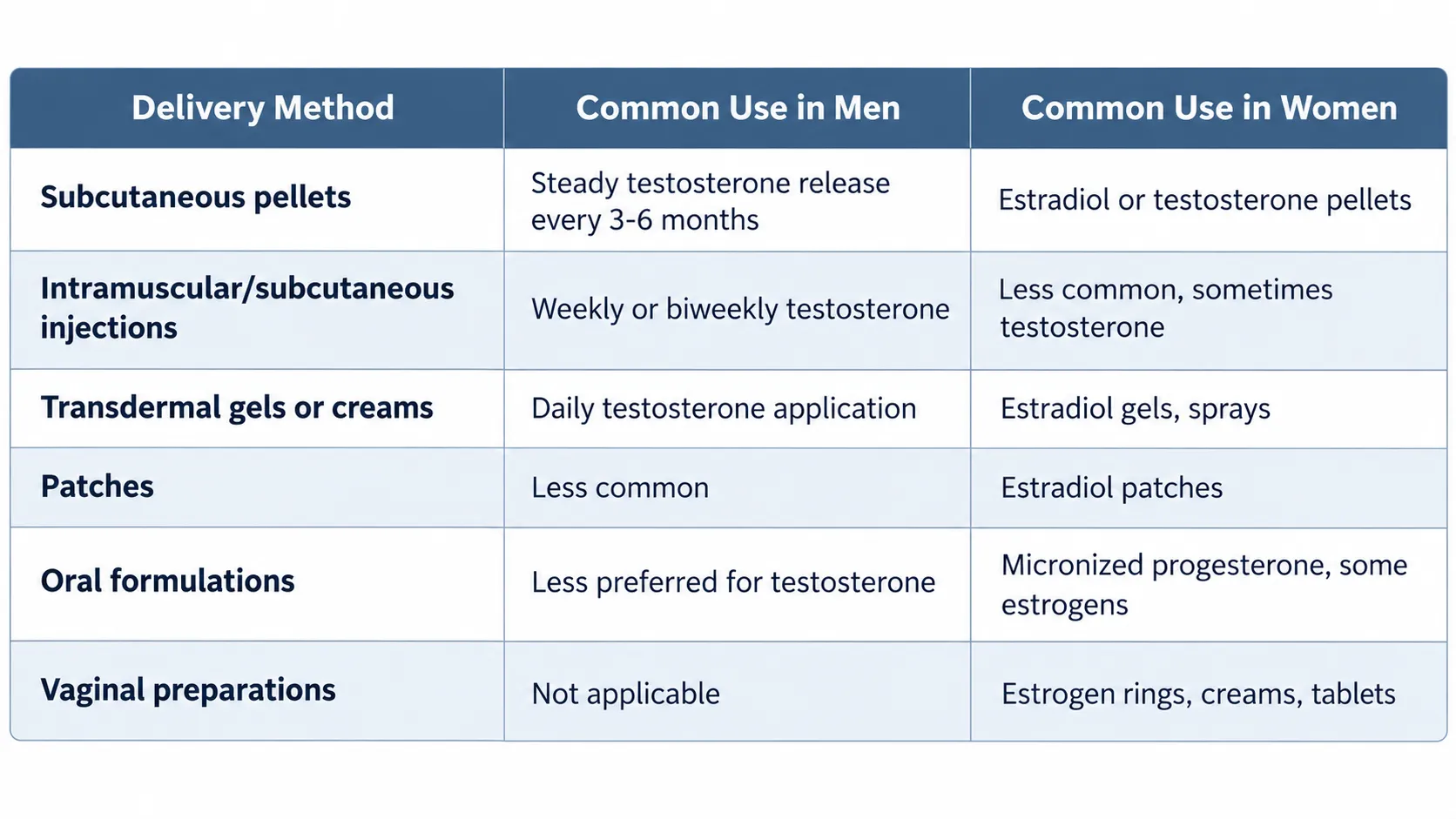
Men often prefer injections or pellet therapy because they provide steady or predictable hormone levels. Women may combine methods-for example, a transdermal estradiol patch plus oral micronized progesterone.
Follow-up schedules after starting hormone therapy typically include symptom review and lab checks at the three- to six-month mark to fine-tune dosing. The aim is always physiological levels: too little may not relieve symptoms, while excessive dosing increases side effects. Titration over the first three to six months is standard. Patients should ask their provider how each delivery method fits their lifestyle and travel schedule, since adherence strongly influences results.
Integrating BHRT with Lifestyle, Peptide Therapy, and Long-Term Wellness

Bioidentical hormone therapy works best as part of a broader strategy that addresses nutrition, exercise, sleep quality, and stress management. Hormones are powerful, but they amplify the results of healthy habits rather than replacing them.
Strength training and adequate protein intake help both men and women capitalize on improved hormone levels by supporting muscle mass and metabolic health. Healthy women and men alike benefit from bone-loading exercise, cardiovascular conditioning, and consistent recovery practices.
Many people searching for peptide therapy are exploring complementary options for recovery, body composition, or healthy aging. Any peptide use should be coordinated with hormone care to avoid interactions or unrealistic expectations. Healthcare professionals experienced in hormone optimization can guide which interventions work well together and which are unnecessary.
Ongoing follow-up visits allow providers to adjust BHRT doses, review lab results, and refine lifestyle recommendations for sustainable results. A primary care physician or specialist who understands your overall health can help restore balance across multiple systems, not just hormones. Hormones are one piece of a comprehensive plan for overall health-they can amplify the work you put in, but they are not a shortcut.
Bioidentical Hormone Therapy in Charleston, SC – Charleston Healthspan Institute

At Charleston Healthspan Institute, we provide physician-led bioidentical hormone therapy for men and women throughout Charleston, South Carolina and the surrounding areas. Our approach starts with advanced diagnostics-detailed symptom review, comprehensive lab testing, and a full health history assessment-so every treatment plan is built around your specific needs.
We focus on safety, evidence-based dosing, and ongoing monitoring to help you restore hormonal balance without unnecessary risk. Whether you are a man exploring testosterone optimization or a woman navigating menopausal symptoms, our team integrates hormone care with nutrition, fitness, and lifestyle strategies designed for lasting results.
We are here to help you take the first step. Call us at (843) 375-6588 or fill out our online contact form to schedule a consultation. Early evaluation can make a meaningful difference before hormone-related symptoms take a larger toll on your daily life.
Frequently Asked Questions
How Long Do Men Usually Stay on BHRT Once They Start?
Many men remain on testosterone therapy for years or even indefinitely when they experience clear benefits and no safety concerns. BHRT does not cure the underlying age-related decline in testosterone production, so symptoms often return gradually if therapy is stopped. Some men choose to pause treatment periodically to reassess their symptoms, lab markers, and goals with their provider. Others prefer consistent long-term support. The decision is always individualized. Regular follow-up visits and lab work-including red blood cell counts and prostate health screening-are essential to confirm that ongoing therapy remains both effective and safe over time.
Can Men Use Testosterone Therapy and Still Preserve Fertility?
Conventional testosterone replacement can suppress sperm production because it signals the testes to reduce their own hormone output through feedback on the hypothalamic-pituitary-gonadal axis. Men who want to have children in the future should discuss this with their healthcare provider before starting hormone therapy. Alternative strategies or medications exist that can support testosterone levels while preserving testicular function and sperm production. Sperm banking is another option for men planning long-term treatment. These decisions are complex and should always involve a clinician experienced in male reproductive endocrinology. Planning ahead avoids difficult situations later.
Is Bioidentical Hormone Therapy Covered by Insurance in Charleston?
Coverage varies widely depending on your plan. Some insurers reimburse parts of the evaluation, lab testing, and certain FDA-approved hormone prescriptions, while others classify aspects of BHRT as elective or wellness services. Compounded bioidentical hormone formulations are less likely to be covered and are typically an out-of-pocket expense. Before starting therapy, confirm benefits with your insurance provider and ask your clinic about expected fees for consultations, follow-up visits, and monitoring labs. Many patients view BHRT as an investment in long-term hormonal health and quality of life, weighing both financial and clinical considerations when making their decision.
How Soon Will I Feel Results from BHRT as a Man or Woman?
Many women notice improvements in hot flashes, night sweats, or sleep within a few weeks of starting estrogen therapy and progesterone. Mood and cognitive benefits may take several months to become apparent. Men often experience changes in energy, reduced libido reversal, and improved morning erections within four to six weeks of optimized testosterone therapy, while improvements in muscle mass and body composition develop over three to six months. Individual timelines vary based on baseline hormone levels, overall health, chosen delivery method, and adherence. Follow-up visits are specifically designed to evaluate progress, adjust dosing, and set realistic expectations for continued improvement.
What Lifestyle Changes Make the Biggest Difference Alongside BHRT?
Quality sleep, regular resistance and aerobic exercise, balanced nutrition with adequate protein, and limiting excessive alcohol significantly enhance BHRT outcomes for both men and women. Men may benefit especially from progressive strength training to capitalize on improved testosterone levels and reduce visceral fat. Women may focus more on bone-loading exercise and pelvic health as they transition through menopause. Managing stress through mindfulness, counseling, or relaxation techniques helps stabilize cortisol, which interacts with sex hormones and can undermine treatment results. Work with your provider or a health coach to build a sustainable, individualized plan rather than attempting extreme diets or overtraining, which can work against skin health and recovery.
Disclaimer
Disclaimer: This article provides general health education and does not substitute for personalized medical advice, diagnosis, or treatment from a licensed South Carolina healthcare provider. Consult a qualified medical provider before starting, adjusting, or discontinuing any hormone therapy.
Read Does a Weight Loss Doctor in Charleston SC Evaluate Sleep and Stress?