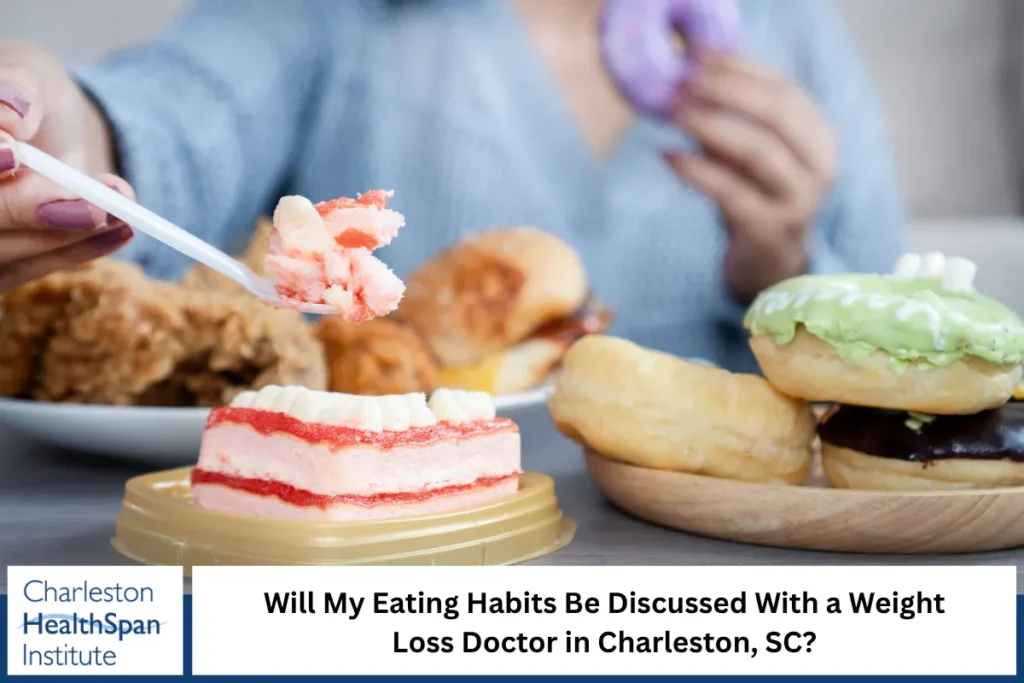
Will My Eating Habits Really Be Discussed at My First Visit?
If you have been searching for a weight loss doctor in Charleston, SC, you may be wondering whether your daily food choices will actually come up during the appointment. The short answer is yes, and here is why that matters. Many people put off seeking help because they feel embarrassed about what they eat, how much they eat, or why they eat. That hesitation can cost months or even years of progress. Discussing eating habits is a normal part of a medical weight-loss consultation, and it opens the door to a plan that fits your real life, not a generic template.
Every medically supervised weight loss service in the Charleston area relies on a detailed review of what and how you eat. Calories, meal timing, and behavioral triggers all affect outcomes. Weight loss doctors discuss patients’ daily food intake and lifestyle factors to build a clear picture before recommending any intervention. These discussions are confidential, guided by HIPAA and South Carolina privacy regulations, just like any other clinical visit. Providers expect imperfection. They are trained to identify patterns, not to shame past food choices. Patients should be truthful about their eating habits to help clinicians provide better care and build a realistic plan.
Key Takeaways
- Yes, your eating habits will always be discussed with a weight loss doctor. It is a normal, expected part of every medically supervised consultation.
- Nutrition, lifestyle factors, and hormones are evaluated together during weight loss management visits in Charleston, SC, not treated in isolation.
- These conversations are supportive and nonjudgmental, focused on patterns like what, when, and why you eat rather than blaming or labeling foods as good or bad.
- Honest discussions about food directly guide your individualized weight loss program, any medications prescribed, and hormone-related care if needed.
- This article also covers privacy protections, what to expect at appointments, and how to prepare for your first visit.
How Weight Loss Doctors in Charleston, SC Use Your Eating History

Your eating history helps clinicians distinguish between lifestyle-related weight gain, metabolic issues, and hormone-driven changes. Evaluating your diet is a fundamental part of building a medical weight loss plan, and the Obesity Medicine Association identifies the need for a thorough nutrition history as part of every evaluation.
Here is how providers in a weight loss clinic typically use that information:
- Estimating total calories consumed versus energy burned throughout the day
- Evaluating macronutrient balance across protein, carbohydrates, and fat
- Spotting patterns of ultra-processed foods, added sugars, and sugar-sweetened beverages
- Identifying blood sugar fluctuations that may be driven by meal composition
Doctors examine patients’ medical history and past diet attempts alongside current eating patterns. Comprehensive evaluations include checking vital signs and body composition, and consultations may involve physical exams and advanced diagnostics alongside dietary evaluations. This data helps determine whether a medical weight loss program, medication support such as GLP-1 agonists, or referral for bariatric surgery evaluation is the appropriate next step. Eating-history details also shape long term planning, guiding both the active weight loss phase and maintenance strategies. Institutions in the Charleston area have offered weight management support since 1974, underscoring how deeply rooted this clinical approach is locally.
What Questions About Eating Habits Should You Expect?

Structured questions help your doctor build a clear picture of your daily routine. Doctors evaluate how patients’ daily routines shape their food access and preparation, so expect the conversation to go beyond just listing foods.
Common questions include:
- How many meals and snacks you eat per day
- What a typical breakfast, lunch, and dinner looks like
- Weekend eating versus weekday patterns
- Beverages you consume regularly, including soda, sweet tea, alcohol, sports drinks, and flavored coffees
- Late-night eating or drinking habits that may contribute to excess weight
Weight loss professionals look at behavioral triggers impacting eating patterns as well. Discussions often include questions about cravings and emotional eating, because weight loss consultations involve understanding the relationship between food and emotional states. You may be asked about stress eating after work, social events, celebrations, or eating while watching TV. Access to fresh food is also an important factor in patients’ nutritional security, so questions about grocery shopping and meal preparation come up frequently.
Providers will also ask about previous diets, fasting attempts, and meal-replacement programs, including how those efforts affected your mood, energy, and appetite.
Nonjudgmental Nutrition Conversations During Medical Weight Management

Modern medical weight management treats obesity as a complex, chronic condition rather than a willpower failure. The conversation during consultations is supportive and nonjudgmental. There is no food shaming or moral language. The focus stays on realistic changes you can maintain.
Providers in the Charleston area often use motivational interviewing techniques to explore what matters most to you and to set collaborative weight loss goals. Unlike fad diets that demand drastic overhauls, a structured weight loss program emphasizes individualized pacing and long term support. Visits may include simple, practical suggestions, such as adjusting portion sizes, swapping one daily beverage, or adding a consistent source of protein, instead of eliminating entire food groups overnight. This approach respects your preferences and builds confidence in the process.
Read Does a Weight Loss Doctor in Charleston SC Evaluate Sleep and Stress?
How Eating Habits Connect to Hormones, Metabolism, and HRT

Hormones and nutrition constantly interact. They influence appetite, fat storage, blood sugar regulation, and energy throughout your day. Hormonal evaluations are part of personalized weight loss plans because hormonal imbalances can hinder weight loss efforts significantly.
Conditions providers commonly screen for include:
- Hypothyroidism, which is linked to weight gain due to low hormone levels
- Cushing’s disease, which causes weight gain from excess cortisol production
- Polycystic ovary syndrome, which promotes fat storage due to insulin resistance
- Estrogen loss during menopause, which leads to fat redistribution to the abdomen and changes in metabolism
Licensed providers at a hormone therapy clinic in Charleston follow South Carolina and federal regulations when offering hormone replacement therapy or bioidentical hormone therapy. HRT and related treatments are tools used when clinically indicated, always paired with nutrition guidance and lifestyle strategies. For example, a high-sugar diet can worsen insulin resistance, while adequate protein intake supports muscle retention during hormone shifts. Lab monitoring is required to ensure safe, effective treatment.
From Eating Habits to a Personalized Medical Weight Loss Program

Your food history becomes the blueprint for your individualized plan. Weight loss programs tailor plans based on individual eating patterns and past efforts, turning what you share into specific, actionable steps.
Clinicians translate your eating patterns into calorie targets, macronutrient ranges, and simple meal-structure recommendations. Medical evaluations create tailored weight loss plans for individuals, and support is layered through nutrition coaching, physical activity planning, behavioral tools, and prescription options when appropriate. Patients can lose up to 15% of body weight in one year with a structured program.
Some patients may be referred for evaluation for bariatric surgery if BMI and comorbidities meet evidence-based criteria, though the focus on eating habits remains critical before and after surgery. Plans are revisited regularly, with adjustments based on progress, lab results, symptom changes, and evolving lifestyle demands. A dedicated team reviews your schedule, foods you enjoy, and the way your body responds to create sustainable results.
Preparing to Talk About Your Diet at a Weight Loss Appointment

Preparation reduces anxiety and makes the first visit more productive. Here is what to bring:
- A food and beverage log covering 3 to 5 days before your appointment, including times, portions, and notes on hunger or emotions
- A list of common restaurant orders, takeout habits, and fast-food routines to give a realistic picture of daily choices
- Questions about specific diets, supplements, or online trends you have tried or are curious about
- A current medication list, sleep patterns, and exercise habits so your provider can connect eating habits with overall health and weight management
Long-Term Habit Change: Turning Today’s Diet Into Lasting Results

Sustainable weight loss depends on gradual habit change, not short-term restriction. Long-term success depends on lifestyle changes rather than temporary diets, and sustainable weight management includes exercise, nutrition, and behavioral strategies working together.
Building lasting habits starts with anchor behaviors:
- Eating a consistent breakfast to stabilize energy and appetite
- Planning snacks to prevent impulsive choices
- Maintaining steady water intake throughout the day
- Weekly grocery planning to support a healthy diet
Maintenance phases focus on flexible guardrails. Minimum protein per day, step goals starting at realistic physical activity levels of 7,000 to 8,000 steps daily, and limits on sugary drinks replace strict dieting. Weight management programs monitor progress and adjust plans regularly, and regular follow-ups are recommended every one to three months during maintenance. Celebrating non-scale victories like better sleep, stable energy, and improved lab results reflects true long term success and lasting change in wellness and quality of life.
Weight Loss Doctor in Charleston, SC – Charleston Healthspan Institute
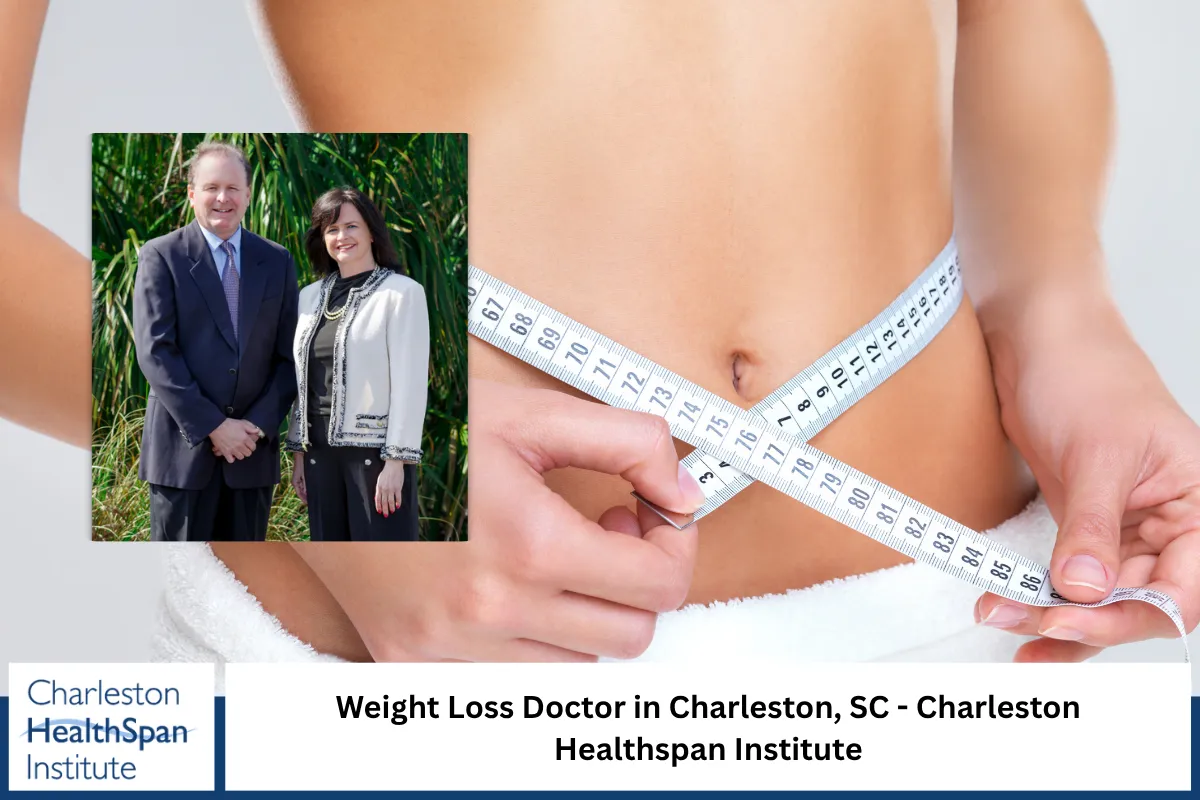
At Charleston Healthspan Institute, we take a thorough, individualized approach to helping you lose weight and keep it off. Our weight loss doctor team in Charleston, South Carolina combines medical evaluation, nutrition guidance, and hormone-focused care to create a plan that reflects your body, your goals, and your life.
We review eating habits in detail, assess metabolism and hormones when appropriate, and offer structured weight loss management tailored to each patient. Whether you need support through medications, lifestyle changes, or a full range of related services, we are here for you.
Call us at (843) 375-6588 or fill out our online contact form to schedule a consultation and explore a customized weight loss program. We proudly serve Charleston and the surrounding areas, focusing on long term, sustainable change rather than quick fixes.
Frequently Asked Questions
Are My Eating Habit Details Kept Confidential at a Weight Loss Clinic?
All information you share about your eating patterns is part of your medical record and protected under HIPAA and South Carolina privacy regulations. Only authorized members of your care team can access this information, and it is used solely to guide safe, effective treatment. You can ask how your data are stored and request copies of visit notes to review recommendations later. Honesty about food choices, binge episodes, or emotional eating is encouraged because it directly improves the quality of your care. No details are shared with employers, insurers beyond what is legally required, or anyone outside your clinical team without your written consent.
Should I Bring a Family Member or Friend to Discuss My Diet?
Many patients find it helpful to bring a trusted support person, especially to first visits where a significant amount of information is covered. Someone who sees your daily routine can help recall typical meals, restaurant habits, and evening snacking patterns that you might overlook. You remain in full control of what is shared. Providers will respect your boundaries and can ask the support person to step out for sensitive topics. Choose someone who is nonjudgmental and supportive of long-term lifestyle changes rather than someone focused on quick-fix dieting. A good fit is someone who wants to help you maintain healthy habits over time.
Will I Have to Count Every Calorie to Work With a Weight Loss Doctor?
Strict calorie counting is not mandatory for everyone. Tracking methods are customized based on your personality, lifestyle, and medical needs. Alternatives include portion guides, plate-method visuals, meal templates, or photo-based food logs that still provide useful data without the burden of logging every item you consume. Some patients benefit from short periods of detailed tracking to better understand portions and how much weight specific foods contribute, while others prefer simpler checklists. The goal is awareness and consistency, not perfection. Your provider will help you choose the least burdensome approach that still drives measurable progress toward your weight loss goals.
How Often Will My Eating Habits Be Reviewed After the First Visit?
Your diet is usually revisited at every follow-up, especially during the first six to twelve months of a weight loss program. Early visits tend to focus on identifying the major drivers of weight gain, while later visits fine-tune portion sizes, timing, and maintenance strategies. As you move into maintenance, reviews become more targeted, focusing on specific challenges such as holidays, travel, shift work, or changing schedules. Ongoing review helps catch small slips early, preventing them from growing into full weight regain episodes. This consistent attention to your eating patterns is one of the most important things separating a medical approach from unsupervised dieting.
Can Telehealth Visits Cover Discussions About My Diet and Progress?
Under South Carolina regulations, many follow-up nutrition and lifestyle visits can be conducted via telehealth when clinically appropriate. Initial exams, body composition measurements, and certain lab work generally require in-person visits for safety and accuracy. Virtual appointments can effectively review food logs, troubleshoot challenges, adjust medication doses when permitted, and update your plan based on current progress. Ask your provider about hybrid care models that blend in-person assessments with convenient online follow-ups for ongoing support. This flexibility makes it easier to maintain your schedule and stay accountable without needing to visit the clinic for every appointment.
Disclaimer: This article provides general educational information about medical weight loss consultations in Charleston, SC, and is not a substitute for personalized medical care. Always consult a licensed South Carolina healthcare professional regarding diagnosis, treatment, and medication decisions.
Read Will a Weight Loss Doctor in Charleston, SC Review My Medical History?