Why a Weight Loss Doctor Is Your Shortcut to Crushing Sugar Cravings
A weight loss doctor does not simply hand you a calorie chart and wish you luck. If you live in the Charleston area and have tried cutting desserts, skipping sweet tea, and white-knuckling your way through afternoon crashes, you already know the pattern: a few good days, then a wave of cravings that pulls you right back. The frustration is real, and it is not your fault. Sugar lights up the same brain reward pathways as addictive drugs, triggering dopamine surges that make willpower feel like a rubber band stretched too thin. Weight loss doctors approach sugar cravings as a complex physiological response, not a lack of discipline. The solution is a medically trained professional who can evaluate your metabolism, blood sugar patterns, and hormones to build a customized weight loss program that targets cravings at their source. In this article, you will learn the brain science behind sugar, what a weight loss clinic evaluates at your first visit, the medical tools available locally, and concrete steps to reduce cravings and lose weight.
Key Takeaways
- A weight loss doctor can uncover biological reasons for intense sugar cravings, including blood sugar swings, nutrient deficiencies, and hormone imbalances that no amount of willpower can fix on its own.
- Structured weight loss programs combine nutrition guidance, medications when appropriate, and behavioral tools to reduce cravings and support sustainable fat loss.
- Sugar activates powerful brain reward pathways, so medical support in Charleston, SC can make habit change feel less like deprivation and more like progress.
- Readers will learn practical strategies and discover how local medical care can personalize a plan to crush sugar cravings for good.
How Sugar Hijacks Your Brain and Metabolism
Understanding why sugar cravings feel so overpowering starts with two systems: your brain’s reward circuitry and your blood sugar regulation. Here is what happens inside your body when sugar takes over.
- Added sugar rapidly raises blood glucose, producing a spike-then-crash cycle. Insulin surges to normalize levels, often overshooting, which triggers renewed hunger, fatigue, and a drive to eat more sweets later in the day.
- Sugar stimulates dopamine release in the mesolimbic pathway, reinforcing habits like dessert after dinner or snacking while watching TV. Over time, the brain needs more sugar to produce the same feeling of reward.
- Highly processed foods that combine sugar, fat, and salt become hyper-palatable, making it harder to feel satisfied with whole, minimally processed foods. These combinations override natural satiety signals.
- Americans now consume roughly 150 pounds of sugar per person each year. That level of intake worsens insulin resistance, which is linked to weight gain, belly fat, and increased risk of metabolic disease like diabetes.
- Recognizing these processes helps patients see cravings as a biological pattern that medical care can help correct, not a character flaw requiring more motivation.
The Hidden Hormone Links Between Sugar Cravings and Weight Gain
Hormones are powerful chemical messengers that influence appetite, mood, energy, and how your body stores fat. When they fall out of balance, even a healthy diet and regular exercise may not be enough to control cravings or lose fat effectively. Hormonal imbalances can hinder weight loss efforts despite consistent effort, which is why evaluation matters.
- Insulin, cortisol, leptin, and ghrelin each play a role in sugar cravings and stubborn weight gain, particularly around the abdomen. Leptin resistance, common in obesity, impairs the brain’s ability to recognize fullness. Ghrelin rises when the stomach is empty and may amplify cravings through interactions with dopamine reward centers.
- Stress triggers sugar cravings through cortisol release, driving appetite toward high-sugar comfort foods. Conditions like Cushing’s disease cause weight gain from excess cortisol production, illustrating how directly hormones shape body composition.
- Hypothyroidism directly links to weight gain due to low hormone levels, slowing metabolism and reducing energy. Thyroid disorders, perimenopause, menopause, and low testosterone can all increase cravings and make weight management harder.
- In Charleston, SC, a hormone therapy clinic or medical practice offering hormone replacement therapy must follow both federal and state guidelines for prescribing and monitoring treatments. Bioidentical hormone therapy or other HRT approaches, when medically appropriate and supervised, may help normalize hormones, support better sleep, and indirectly reduce sugar-seeking behavior. Balanced hormones also make weight loss medications more effective.
- Endocrinology-focused practices across South Carolina regularly address hormonal imbalances affecting weight loss, reinforcing the need for thorough lab testing before any treatment plan begins.
What a Charleston Weight Loss Clinic Looks for at Your First Visit
Your first appointment at a weight loss clinic is designed to uncover the specific factors driving your cravings and weight gain. Here is what a thorough intake typically includes.
- Medical history review: chronic conditions, current medications, past diet attempts, sleep quality, stress levels, and detailed sugar craving patterns including timing, triggers, and types of foods.
- Objective data: weight, waist circumference, body composition using tools such as bioimpedance technology to track lean muscle versus fat, blood pressure, and baseline labs.
- Doctors check fasting glucose and insulin levels to identify blood sugar spikes that trigger cravings. Additional labs may include A1c, lipid panels, liver enzymes, and thyroid function markers.
- When indicated, hormone testing for cortisol, sex hormones, and thyroid panels helps investigate contributors to low energy, appetite dysregulation, and persistent cravings. Nutrient deficiencies can also lead to sudden sugar urges, so micronutrient status may be assessed.
- The physician will ask about emotional eating, late-night snacking, and routines like reward desserts to understand behavior patterns without judgment. This structured evaluation allows a truly personalized weight loss program rather than a generic diet handout.
Medical Tools That Help Tame Sugar Cravings (Beyond Willpower)
Not every patient needs medication, but for some, FDA-approved or evidence-based tools make changing habits dramatically easier. Weight management strategies include medication evaluation to assist with appetite control when lifestyle changes alone have not been enough.
- GLP-1 medications can help regulate appetite and blood sugar levels by mimicking natural incretin hormones. They slow gastric emptying, increase satiety, and directly reduce cravings for sweets. Patients can lose 15 to 22 percent of body weight with GLP-1 therapy, and most patients in structured medical programs lose 20 to 60 pounds overall.
- Other prescription options, such as combination medications targeting reward-driven eating, may be considered based on the person’s health profile and goals.
- Thyroid hormone supplements can help regulate metabolism for weight loss when lab results confirm a deficiency.
- Supportive options like targeted supplements, structured meal replacement phases, or metabolic injections may be used when evidence-based and appropriate.
- Medication or supplements reduce cravings and support behavior change; they do not replace a healthy diet and exercise habits. Any prescription, compounded product, or injectable should always be managed by a licensed provider who monitors side effects and overall progress.
Read Are Weight Loss Drugs Addictive? What Every Weight Loss Doctor in Charleston, SC Wants You to Know
Designing a Craving-Resistant Meal Plan You Can Actually Follow
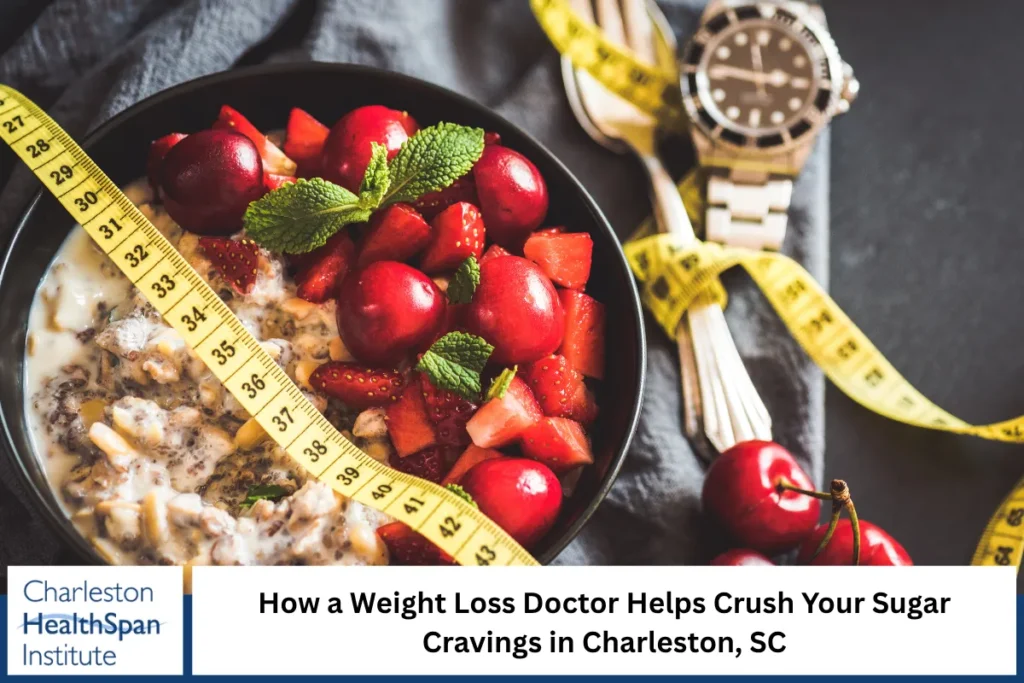
A physician-guided weight loss service often pairs patients with a nutrition professional to build meals that stabilize blood sugar and reduce mid-afternoon and evening cravings. Registered dietitians design meal patterns high in protein and healthy fats to prevent energy drops. Structured nutritional approaches aim to focus on protein and fiber rather than restricting sugar entirely.
- Prioritize protein at each meal, aiming for 30 to 35 grams at breakfast to reduce between-meal cravings. Add healthy fats from sources like avocado, nuts, and olive oil.
- Eating 35 grams of fiber daily improves blood sugar markers and promotes smoother glucose curves. Fiber-rich vegetables, legumes, and whole grains slow absorption and reduce the spike-crash pattern.
- Plan structured, balanced snacks such as Greek yogurt with berries or nuts with vegetables instead of grazing on sweets throughout the day.
- Charleston eating comes with real-world challenges: seafood restaurants, social events, and sweet tea. Portion control, menu planning, and ordering strategies help patients navigate these moments without derailing progress.
- The best plan is one a patient can maintain for the long term, not a crash diet. Small, consistent lifestyle changes beat all-or-nothing rules every time. Institutions like MUSC Health have offered weight management since 1974, demonstrating that tailored eating and exercise plans remain a cornerstone of effective care.
Behavioral Coaching: Rewiring Habits That Feed Sugar Cravings
Sugar cravings are partly brain chemistry and partly learned behavior. A comprehensive weight loss program addresses both. Behavioral and psychological counseling help patients identify emotional triggers for cravings, turning awareness into action.
- Cognitive behavioral techniques, habit tracking, and stress management tools are common components of support. Cutting sugar for four weeks can retrain your brain, reducing the intensity of cravings and resetting taste preferences.
- Identify trigger situations such as TV time, driving past a bakery, or work stress, then create alternative responses like a short walk, a cup of tea, or a phone call.
- Delaying tactics work: wait 10 to 15 minutes, drink water, and focus on a non-food activity. Most craving waves pass within that window.
- Accountability through check-ins, digital tracking, or support from your team reinforces new habits. Celebrating small wins rather than focusing only on the scale sustains motivation over weeks and months.
- Mindful eating practices help patients slow down, taste food fully, and distinguish true hunger from boredom or emotion-driven snacking.
How Medical Weight Loss Supports Long-Term Results in Charleston, SC
Physician-supervised weight loss management focuses on gradual, sustainable fat loss rather than dramatic but temporary drops. Monitoring and adjusting treatment ensures personalized weight management that evolves with you.
- Regular follow-up visits allow fine-tuning of medications, hormone support, nutrition plans, and exercise goals based on real-world results and lab trends.
- Preserving lean muscle through resistance training and adequate protein keeps metabolism healthier as weight comes off and guards against muscle loss that can slow long term success.
- The goal is not just to lose weight but to improve energy, sleep, mood, blood sugar control, and overall quality of life while reducing dependency on sugar. Weight management programs use comprehensive medical and nutritional strategies to conquer sugar cravings at every stage.
- Medical weight loss is a partnership over months. When patients and their care team commit to that timeline, changes in cravings and habits truly stick, delivering similar results to what clinical trials have demonstrated in controlled settings.
Weight Loss Doctor in Charleston, SC – Charleston Healthspan Institute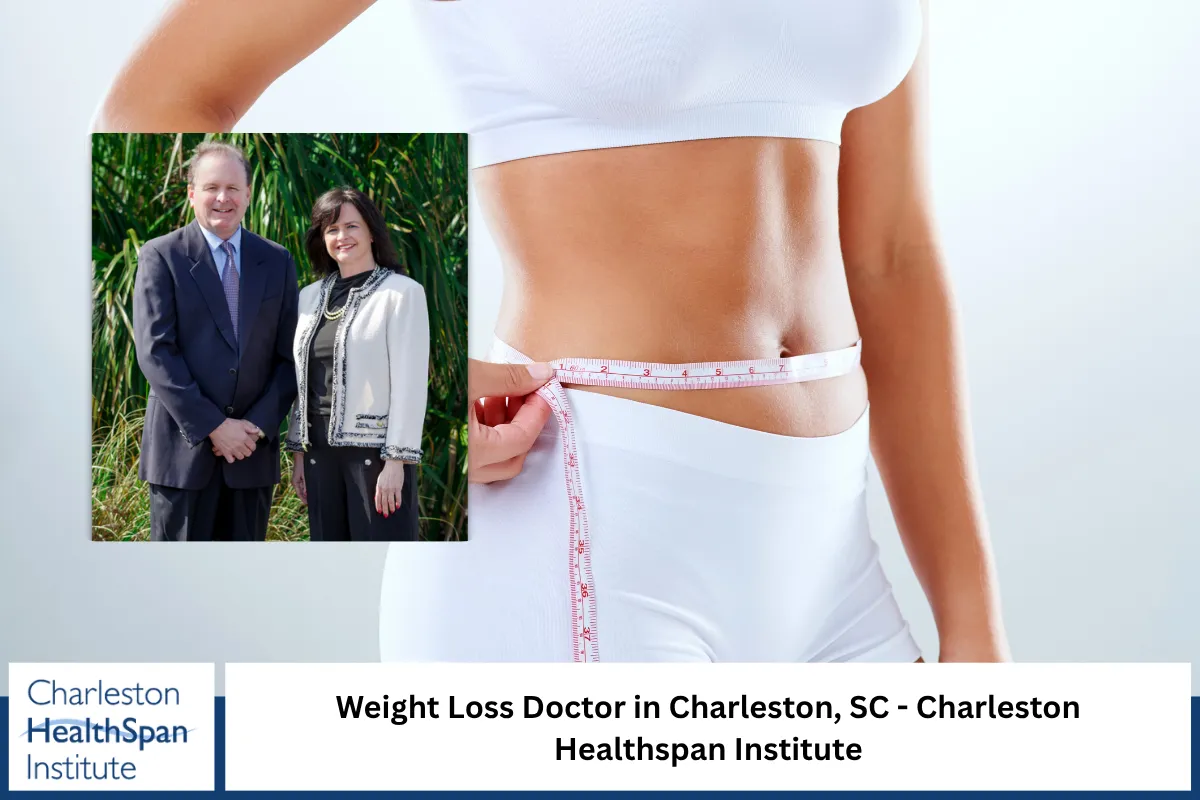
At Charleston Healthspan Institute, we understand that sugar cravings are more than a willpower problem. Our team provides access to a weight loss doctor who digs into the biology behind stubborn weight and relentless cravings. We offer personalized weight loss management that includes nutrition planning, appropriate medications, and hormone-focused care when needed. Our clinic carefully follows current guidelines for hormone replacement therapy and metabolic care to keep every treatment safe and effective. We serve Charleston, South Carolina and surrounding areas, including Mount Pleasant and beyond. If you are ready to stop battling cravings alone, call us at (843) 375-6588 or fill out our contact form to schedule a consultation. We help patients build realistic plans, not fad diets, so they can reduce sugar cravings, lose weight, and maintain results.
Frequently Asked Questions
How Quickly Can a Medical Weight Loss Plan Reduce My Sugar Cravings?
Some patients notice improvement in cravings within a few weeks once they stabilize blood sugar, adjust meal timing, and reduce constant exposure to sweets. Medications or hormone adjustments, when used, may take several weeks to reach full effect, and progress is monitored closely during that period. Long-standing habits may take a month or more to rewire, but consistent support from a medical team makes change more predictable and less overwhelming. Every patient is different. A Charleston physician will evaluate your health history, current labs, and treatment response to set realistic expectations and adjust the plan as needed. The key is patience combined with professional guidance.
Do I Have to Cut Sugar Out Completely to Benefit From a Weight Loss Program?
Most patients do not need to eliminate sugar entirely. Reducing added sugars and choosing smarter treats is usually the recommendation. A doctor or nutrition professional might help you shift from daily sweets to occasional planned desserts that fit within your overall calories and carbohydrate goals. There is an important difference between natural sugars found in whole fruits, which come packaged with fiber and nutrients, and concentrated sugars in sodas or candy, which spike blood sugar quickly and intensify cravings. A medical program helps you find a realistic middle ground rather than enforcing a rigid approach that removes every food you enjoy from your life.
Is Medical Weight Loss Safe if I Have Conditions Like Diabetes or High Blood Pressure?
Many patients seeking help with sugar cravings already have diabetes, prediabetes, or cardiovascular risk factors, so safety is central to every care plan. Physicians review current medications, check labs, and coordinate with existing treatments to avoid conflicts or dangerous low blood sugar episodes. In some cases, successful weight loss and improved nutrition may allow adjustments to certain medications, always under medical supervision. Patients in Charleston should disclose their full medical history so the clinic can design a plan tailored to their specific health needs. Open communication between you and your provider is essential for managing cost, risk, and progress simultaneously.
Can I Work With a Weight Loss Doctor if I Am Already Exercising Regularly?
Regular exercise is an excellent foundation, but many active people still struggle with cravings and weight despite consistent effort in the gym. A physician can help fine-tune nutrition, optimize the timing of meals around workouts, and support recovery to improve appetite control and help you lose fat more effectively. Medical guidance can also help protect lean muscle, reduce injury risk, and adjust plans when fatigue or joint pain limits activity. Think of medical weight loss as an extra layer of wellness support that turns the work you are already doing into more visible, sustainable results rather than a replacement for the habits you have built.
Do I Need a Referral to See a Weight Loss Doctor in Charleston, SC?
Many weight loss clinics and metabolic practices in Charleston allow patients to self-schedule appointments without a formal referral. Some insurance plans or primary care offices may prefer referrals, so it is worth checking your coverage details in advance. Even without insurance involvement, you can often book directly for a consultation to discuss cravings, hormone concerns, and weight loss goals. Contact the clinic you are interested in to confirm scheduling policies, new-patient procedures, and any paperwork needed before your first visit. Getting started is usually simpler than most people expect, and that first step is often the most important one you can take.
Disclaimer: This article is for educational purposes only and does not replace individualized medical advice, diagnosis, or treatment from a licensed provider in Charleston, South Carolina.
Read Can Peptide Therapy Fix Hormone Burnout? Recovery Tips for Residents in Charleston, SC